Children and Havdalah
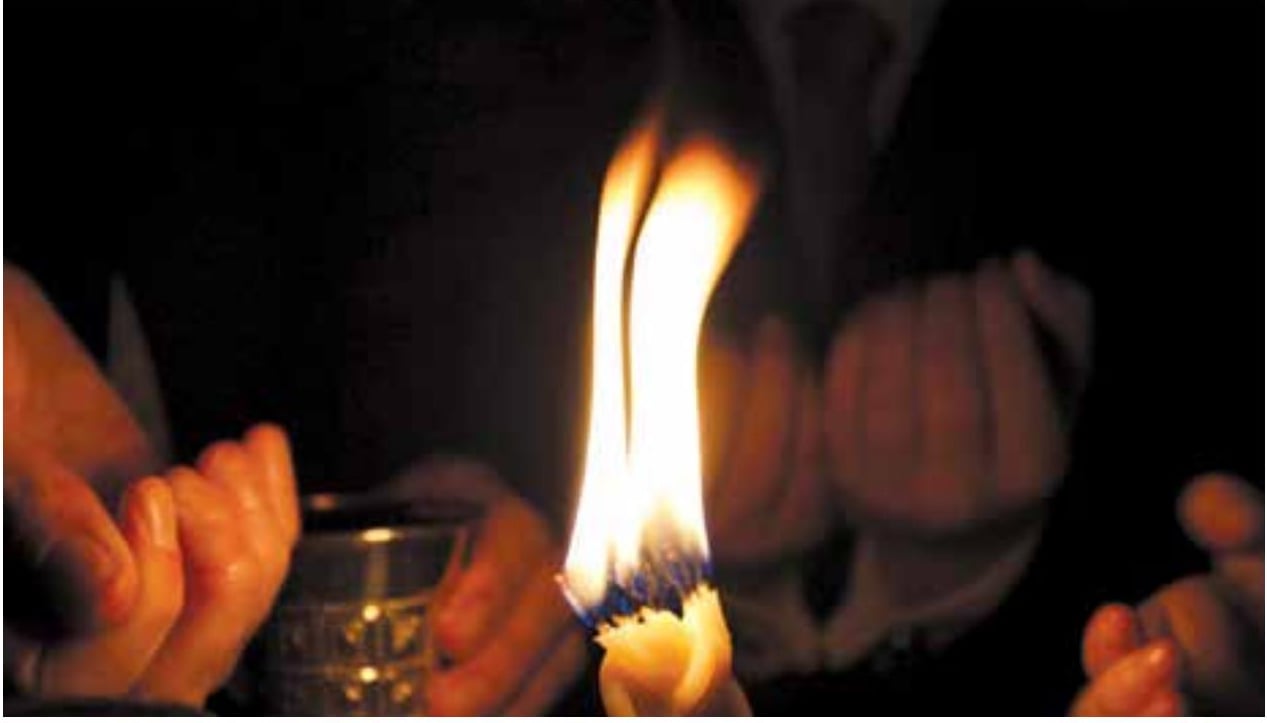
As the days become longer, the time for havdala comes later and later. This is a problem for young children. The Mishna Berura says that once a child understands what Shabbos is, he should be trained to hear havdala. What should a parent do if the time for havdala is 9:30 p.m. or later? It is understandable to let the child stay up a little later. However, what if havdala is way past his bedtime?
Piskei Teshuvos suggests that a child should employ the leniency of reaching havdala after plag hamincha. If the time for havdala is 9:30 p.m., plag hamincha would be around 7:00 p.m. This is a creative solution but controversial. The Shulchan Aruch (293:3) writes that in extenuating circumstances, an adult can recite havdala after plag hamincha. He will not be permitted to perform any forbidden labor until nightfall. Therefore, he cannot recite the blessing on the havdala candle. However, the Mishna Berura cautions against using this leniency. First, he says it appears bizarre to recite havdala while it is still daytime. Moreover, since one recited havdala, one may forget that it is still Shabbos until nightfall and perform melacha. If the Mishna Berura cautioned against using this leniency for adults, one can argue that he would certainly be against impressionable children using this leniency. They need to be trained that Shabbos is over at nightfall and not at plag hamincha.
Another suggestion is to have the children get a regular night’s sleep and let them recite havdala on Sunday. The Shulchan Aruch rules that if someone did not recite havdala on Motzei Shabbos, he recites havdala on Sunday morning. Indeed, the Shevet HaLevi rules that an elderly or infirm individual who cannot stay up should rather recite havdala on Sunday morning than recite havdala after plag hamincha on Shabbos. Therefore, this leniency can be employed for children. They can recite havdala on Sunday morning. However, they would not recite the blessing on spices or the candle. They would simply recite “HaGefen” and the last bracha of havdala, “Hamavdil.” Indeed, it is reported that this is what Rav Elyashiv, zt”l, advised parents to do.
Still, the idea of obligating children to recite havdala on Sunday is not without controversy. The Shu”t B’tzel Hachochma writes that based on a Gemara in Bava Metzia (5a), children should not be obligated in make-up mitzvos. He reasons that Chazal instituted the mitzvah of chinuch for children. They did not make a secondary obligation to make up the mitzvos they missed. Therefore, if a child missed Shacharis, he would not be obligated to recite a make-up Shemoneh Esrei after Mincha. If a child missed kiddush Friday night, he would not be obligated to recite it Shabbos morning. If a child forgot Retzei in bentching on Shabbos, he would not have to repeat it. If a child missed havdala on motzei Shabbos, he would not be obligated to recite havdala on Sunday morning. This is in contradistinction to adults, who are obligated in all these compensatory mitzvos.
One may suggest that we wake the sleeping child up for havdala. However, this goes against the mitzvah of chinuch. For chinuch, we do not make children endure physical discomfort. We allow children to eat before davening and kiddush; chinuch does not require that they go hungry. If a child would be physically uncomfortable with wearing inappropriate footwear on Yom Kippur, we allow them to wear regular shoes. (Rav Elyashiv writes that nowadays there are plenty of footwear options available, and this leniency would not seem to be applicable.) Rav Shlomo Zalman, zt”l, writes that there is no custom for children to fast on fast days before their bar mitzvah. There is no mitzvah of chinuch in causing physical pain. However, withholding candy and cake on fast days is appropriate because that does not cause physical pain. (Still, because of the chumra of Yom Kippur, there is a concept of fasting for a few hours on that day.) Therefore, depriving children of sleep for the sake of a mitzvah is inappropriate.
Rav Chaim Kanievsky, zt”l, was asked, “What should be done with chinuch age children regarding hearing havdala on a cup of wine where they go to sleep before the end of Shabbps? Should they recite it before sunset or during twilight? Should they recite havdala on Sunday? Should they do nothing?” He responded in his usual brief fashion: “peturim m’havdala – they are exempt from havdala.” (Halichos Chaim 1:292)”
Rabbi Simcha Bunim Cohen likewise writes that he spoke to many poskim, and the widespread custom is that children do not recite havdala on Sunday. They will simply miss havdala when it is late.
More Gemara stories
Questions on this article
Rabbi Avrohom Sebrow
Rebbe at Yeshiva Ateres Shimon in Far Rockaway. He leads the Daf Yomi chaburah at Eitz Chayim of Dogwood Park in West Hempstead, and writes “Delving into the Daf” each week for The Jewish Home.
About and contact