Torah Toil
A man once wanted to buy a bar mitzvah present for a relative. He went to Zundel Berman together with his son and thought that a newly re-typeset Ketzos HaChoshen would be a wonderful gift, something a budding talmid…
Seder Kodashim · dafim 2–110
Finished May 1, 2026 in this cycle. 28 articles, 9 stories
A man once wanted to buy a bar mitzvah present for a relative. He went to Zundel Berman together with his son and thought that a newly re-typeset Ketzos HaChoshen would be a wonderful gift, something a budding talmid…
Avimi was Rav Chisda’s rebbe. Or was it the other way around? As presented in the Gemara, it is difficult to determine who was the rebbe and who was the talmid. Avimi was a very demanding rebbe.
One particularly moving part of the Yom Kippur Mussaf service is the story of the Ten Martyrs. Ten great tzaddikim were tragically killed by the Roman government, and their deaths serve as atonement for Klal Yisrael.
Every Shabbos night seudah at the Cohen household was special. This particular week, the air was thick with the aroma of kugel and roast chicken, but for Uncle Dov, there was one singular, pressing priority.
As the French army retreated from the frozen outskirts of Moscow in 1812, Napoleon Bonaparte, the man who had once rearranged the map of Europe, was reduced to a fugitive.
There are many mysteries surrounding Rebbi Yehuda HaChassid. Questions about his life abound. Even his will has raised many difficulties.
The Presidential Autopen The presidential autopen is a clever machine that helps the President manage the huge stack of documents requiring a signature each day.
The initial disorientation was immediate. He had spent his life navigating the familiar geometry of the men’s section, dense clusters of seforim, well-worn shtenders, long tables etched with years of learning.
Rabbi Yaakov Ettinger, the Rosh HaYeshiva of Zichron Paltiel of Passaic, had a remarkable story told about him at his sheva brachos. The speaker related that he had been a bochur who, at one point, found himself without…
My Rosh HaYeshiva, zt”l, would often quote a powerful Gemara in Menachos, sharing it in a way that left a lasting impression. The following is a partial paraphrase based on various commentaries.
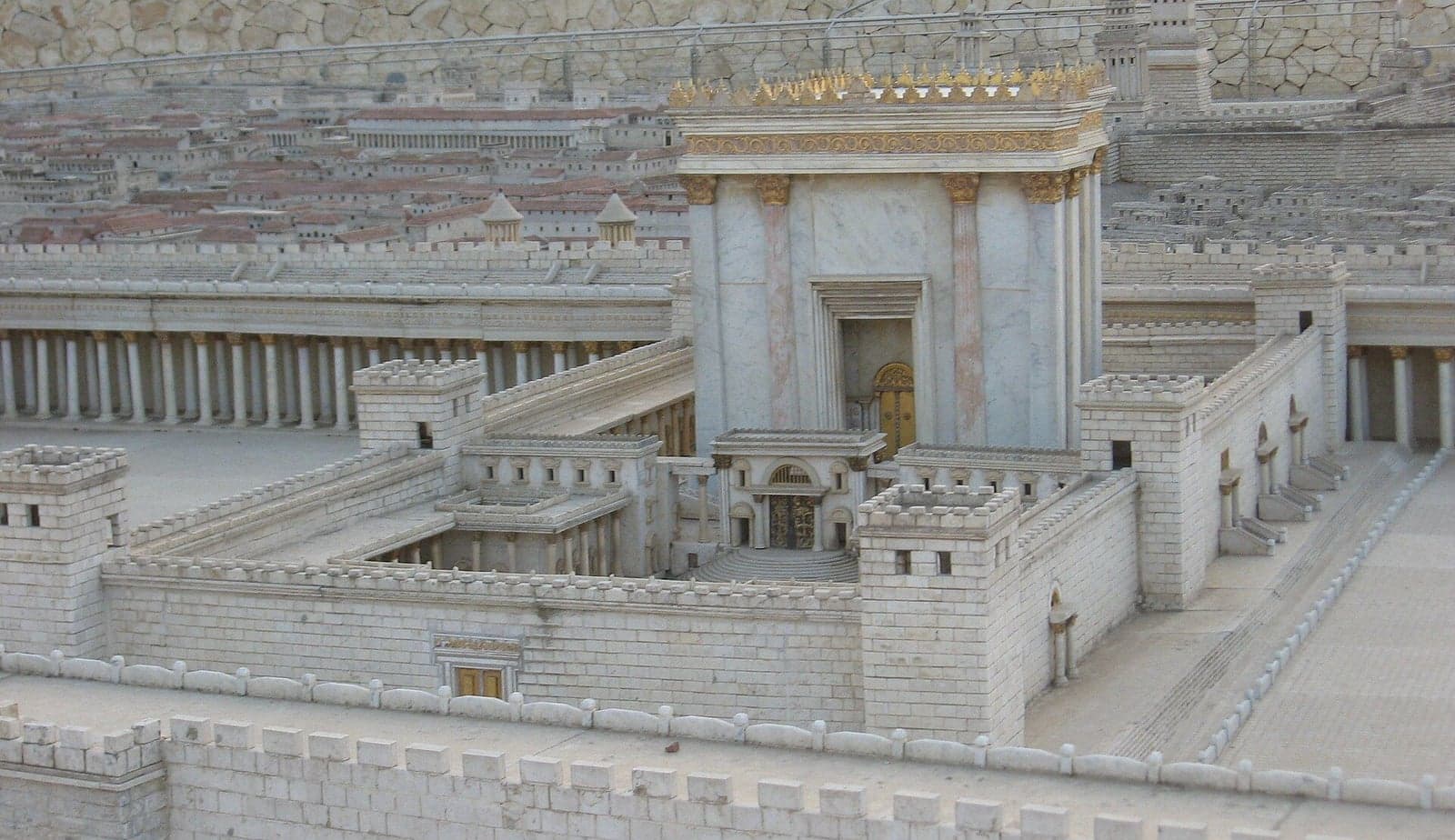
My rosh hayeshiva, zt’l, would often quote the following Gemara in Menachos (a partial paraphrase based on various commentaries): Rebbe Yitzchak said, “At the time when the Beis HaMikdash was destroyed, Hashem found…
My son came home with a questionnaire his rebbe had distributed. The students were asked to indicate their family’s minhagim regarding a wide range of practices at the Seder.
This article is in the zechus of a refuah sheleimah for Minna Chana bas Sara Feigeh. The Daf (Menachos 58a) discusses the prohibition of mixing honey into offerings that were brought in the Beis HaMikdash.
It was the second night of Pesach. The congregation had just finished their silent Shemoneh Esrei. The chazzan was about to continue the service. Suddenly, Boruch hurried across the shul toward Shimon.
There is a widespread custom that men stay up the entire Shavuos night and learn Torah. Of course the entire night really isn’t that long.
Imagine walking past a popular kosher bakery that has a sign that states “Yashan.” A passerby who doesn’t speak Hebrew asks you what it means.
Although Cloudy with a Chance of Meatballs sounds like pure fiction, unusual “food rain” events have, at times, been reported. In 2011, residents of Coundon, England, described a bizarre incident in which numerous…
Shehechiyanu and kiddush on Yom Tov are a beautiful pair. However, we must remember that the second days of Pesach present a unique exception: they are the only nights of yom tov on which Kiddush is recited without…
One makes a berachah of Shehecheyanu on a mitzvah that comes at a specific time of the year. We recite the berachah of Shehecheyanu on every yom tov.
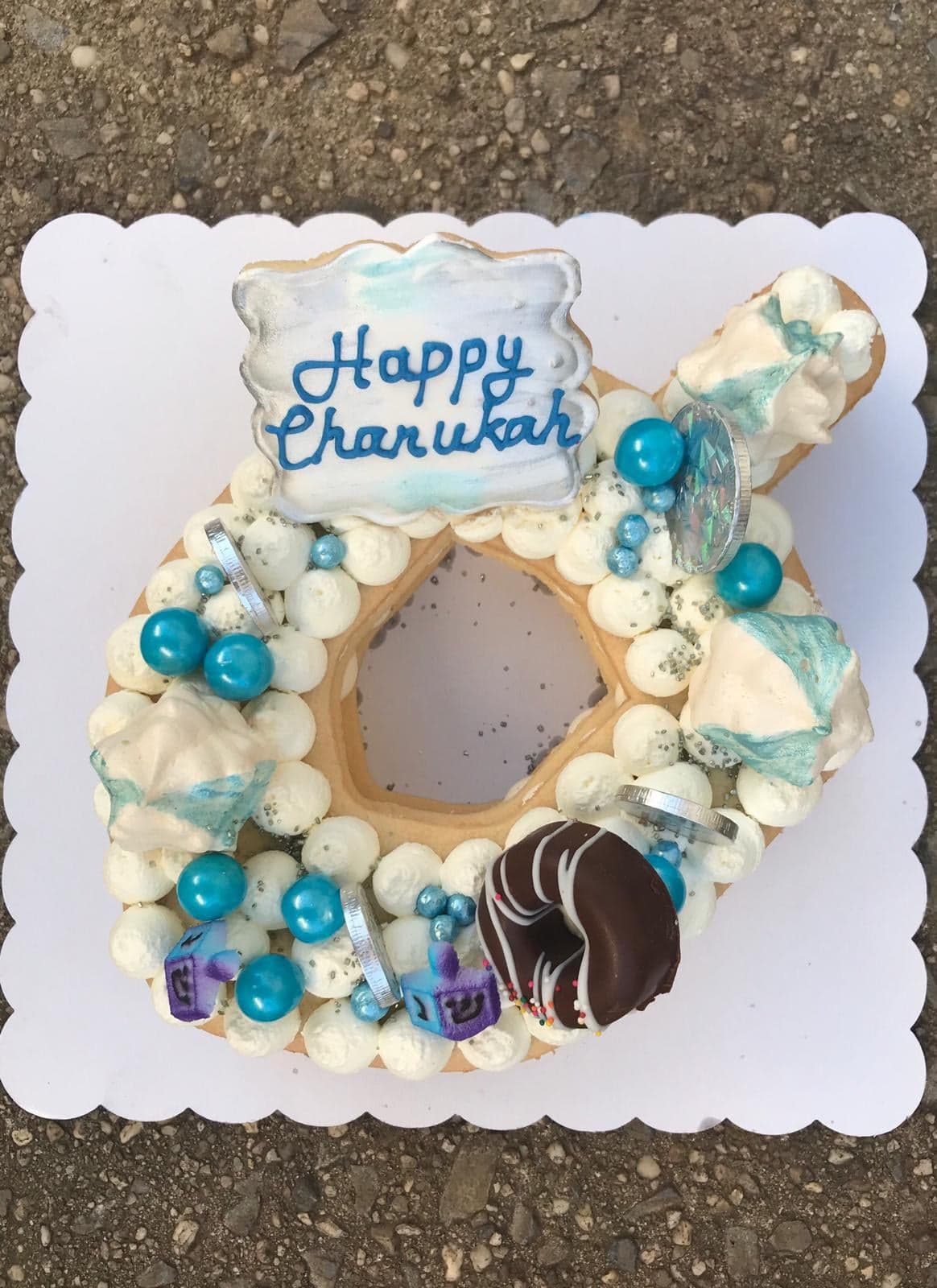
When Chanukah time comes around, I am always reminded of the Beis Yosef’s famous question: Why did the Sages institute eight days of Chanukah to commemorate the miracle that the oil lasted for eight days?
Over 25 years ago, I walked into Angel’s bakery on Rechov Shmuel HaNavi. My friends and I had gathered funds together to purchase a birthday cake for another mutual friend.
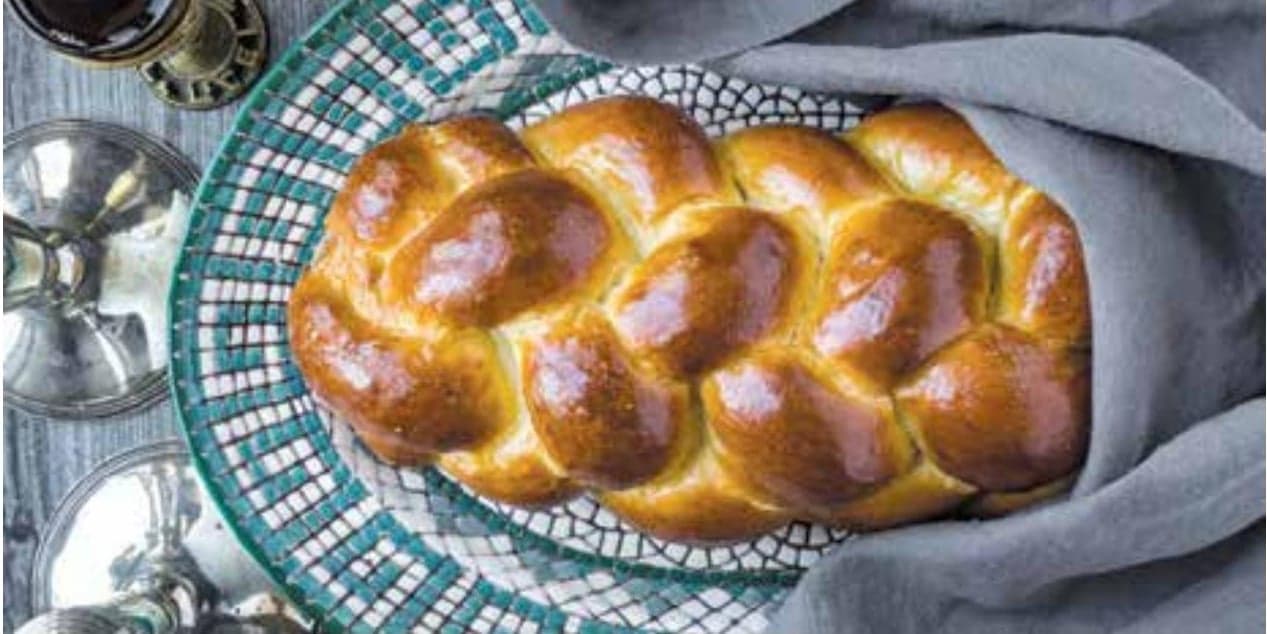
I received a question about whether it is preferable to bake five pounds of flour once every three weeks, thereby fulfilling the mitzvah of hafrashas challah, and serve frozen challah for the subsequent weeks, or to…
When someone does you a favor, a standard response is often, “Shkoyach.” “Can you please pass the gefilte fish?” “Sure.” “Shkoyach.” But what does shkoyach actually mean?
One of my daughters loves the Shabbos zemer “Ki eshmerah Shabbos keil yishmereini, os hi l’olmei ad beino u’veini…” It was written by Rav Avrohom Ibn Ezra. For some reason, some bentchers leave out this particular zemer.
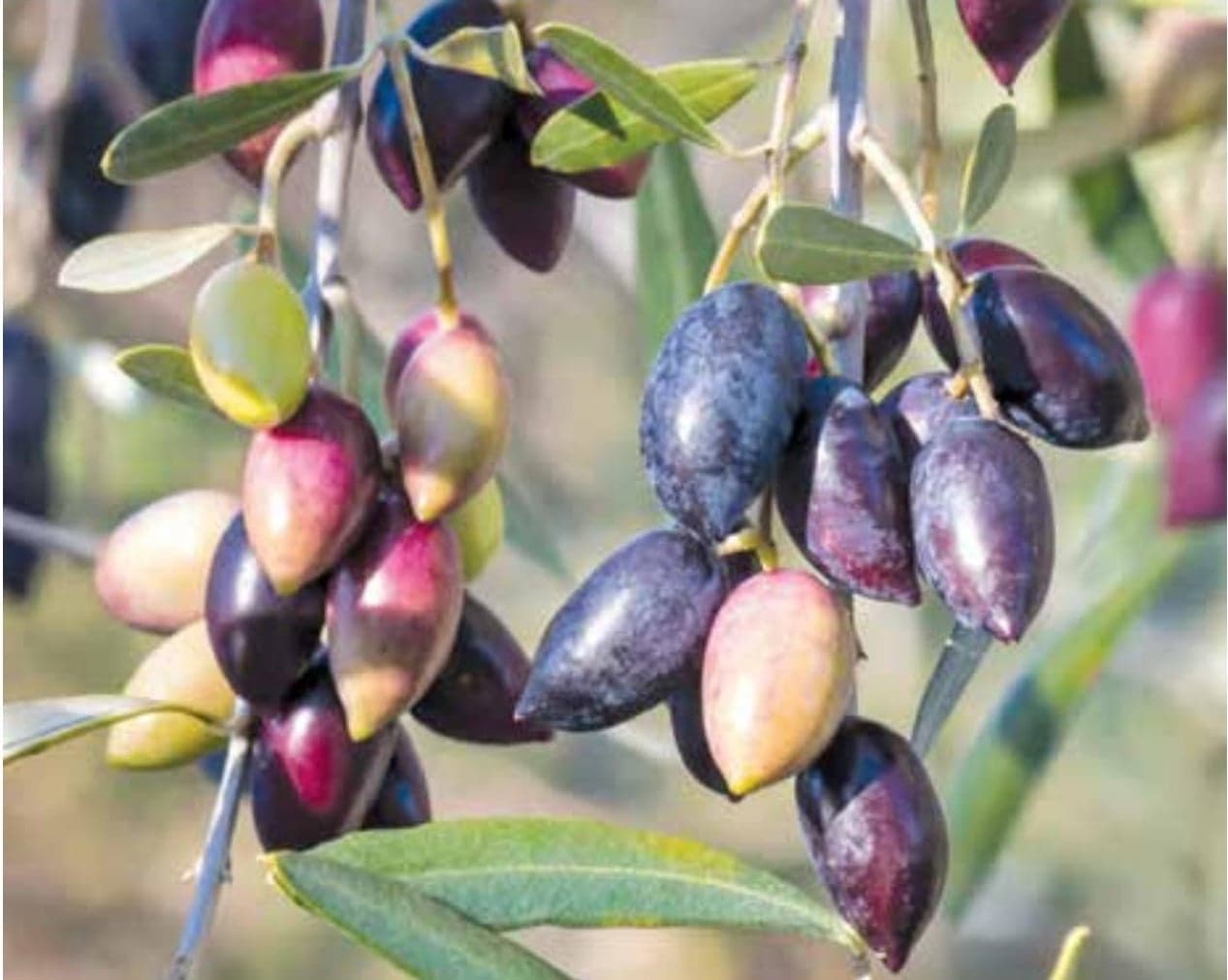
In the stores these days, there are myriad varieties of candles and oils to use for Chanukah lights. However, it is clear that the choicest way to fulfill the mitzvah of lighting the menorah is to use olive oil.
There are certain minhagim that men should keep in their back pocket. One such example is the mitzvah of tasting Shabbos food on Friday.
Mazal tov to all the dedicated learners who recently finished Mesechta Menachos and are embarking on Mesechta Chullin this Shabbos! As we wrap up Menachos, we find that the recent Mishnayos delve into the fascinating…
The Mishnah in Shekalim says there were 13 monetary collection containers in the Beis HaMikdash. There is no Talmud Bavli on Shekalim; therefore, at the end of Menachos, the Gemara elaborates on the reason for the many…
Avimi, who once rebuked Rav Chisda for forgetting, forgets Maseches Menachos himself and humbly travels to his own student to relearn it.
The great Avimi forgets Maseches Menachos and walks to his own student, Rav Chisda, to relearn it. Rashi explains that the effort of going is itself toil in Torah.
When Rabbi Elazar ben Shamua answers his question, Yosef the Babylonian beams with joy, and his teacher weeps: happy are those to whom Torah is so dear.
A sick kollel yungerman asks the Steipler for a bracha; learning his wife shares his mother's name, the Steipler has her change it, and he recovers.
As a bochur, Rabbi Yaakov Ettinger let a friend wear his best tie every Shabbos for six months without saying a word: a lesson in self-control.
When the Beis HaMikdash is destroyed, Avraham Avinu argues with Hashem for his exiled children and is told Klal Yisrael is like an olive tree that will yet bear fruit.
Once the Pesach dishes came out, Rav Moshe Wolfson used egg matzah for lechem mishneh, and one year remarked how long it had been since he had challah.
A young man worked hard on an answer to Rav Chaim Brisker's famous question about miraculous Chanukah oil, only to hear Rav Chaim say he never asked it.
The Midrash traces how the son of Shlomis bas Divri began by joking about nine-day-old showbread and slid all the way to cursing Hashem.