An Exercise in Futility
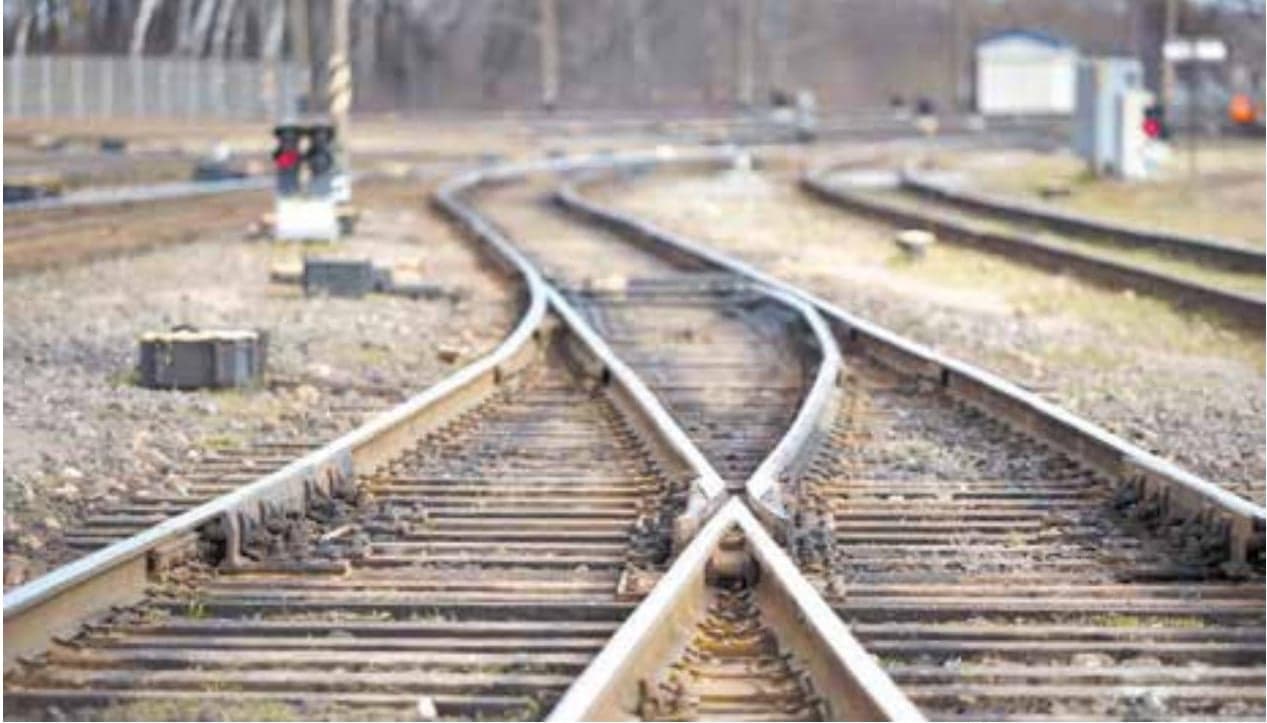
The Bayside Canadian Railway is a 200 foot(!) railroad in Bayside, New Brunswick, Canada. The railway was designed to transport fish – frozen pollock, to be precise. It would seem to be a total waste to build a railroad to move fish a mere 200 feet. Moreover, after the fish is moved 200 feet, it is transported back to where it started. It seems to be an exercise in futility! Actually, though, the idea behind the railroad is brilliant.
The Jones Act prohibits transporting fish or other items from one American seaport to another American seaport using foreign-flagged vessels. Only American ships may be used. The most economical way to transport frozen pollock from Alaska to the East Coast of the United States is by ship. The ship travels down the West Coast all the way to the Panama Canal. The ship then heads back up north to deliver its cargo to the East Coast of the United States. For numerous reasons, it is cheaper to use foreign-flagged vessels than American-flagged ones. However, this is illegal since the starting point and ending point of the trip are both in the United States. There is an exception to this rule. If the fish or other merchandise is transported by train in Canada, it may then continue its journey on foreign-flagged vessels. The American Seafoods Company (ASC) had a brilliant solution. They constructed a 200-foot railroad just to employ this loophole. The fish from Alaska travels on a truck for 200 feet on the Canadian railroad. Then the train reverses and lets the truck off in the same spot where it started! The fish may now continue its journey on foreign-flagged ships because it traveled 200 feet (actually 400 feet) on a Canadian railroad. The exercise in futility actually saved ASC quite a bit of money.