Thirteen Years And A Day
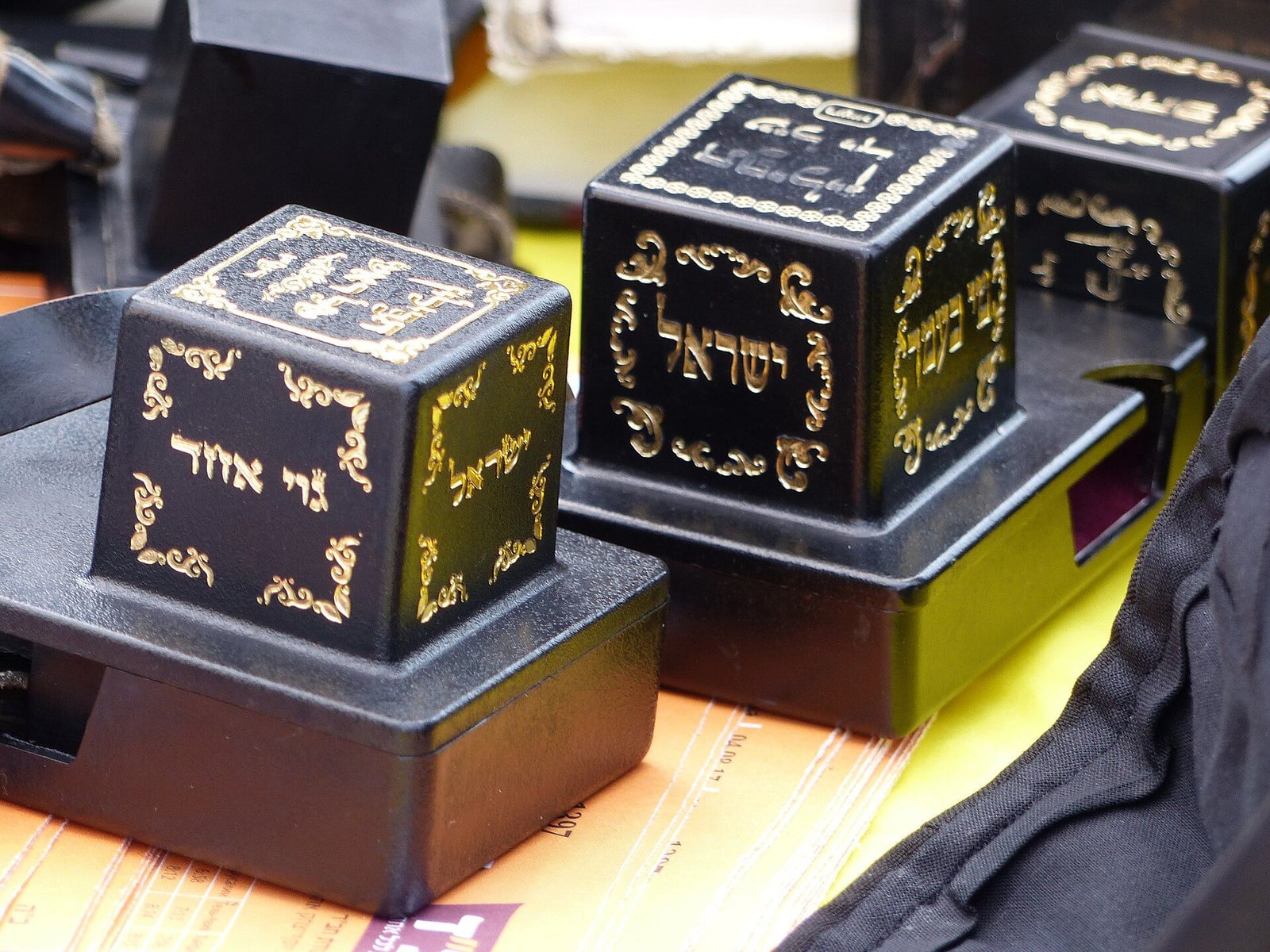
The Mishnah Berurah writes (225:6), “There is a mitzvah for an individual to make a festive meal on the day when his son becomes bar mitzvah like the day that he marries. . . . The reason for the meal is that on that day he becomes a full-fledged member of K’lal Yisrael in that he becomes obligated in the mitzvos of the Torah.”
The Maharshal points out that although one can fulfill the mitzvos without actually being obligated to do so, “gadol metzuveh v’oseh mishe’eino metzuveh v’oseh”—one who fulfills the mitzvos due to an obligation is greater than one who performs them without actually being commanded to do so. One reason offered by Tosfos is that obligations cause anxiety and thereby generate more reward. When one is not commanded to perform a mitzvah, there is no anxiety in the lead-up to its performance. If any conflict arises, the individual can always say, “Well, I’m not obligated in this mitzvah anyway.” So the reason that coming of age warrants a seudah is that it brings the individual to a whole new level of mitzvah performance and reward.
The Chayei Adam writes that one can eat meat during the Nine Days at a seudas bar mitzvah if it is made on the actual day when the boy becomes bar mitzvah. However, if it is not made that day, the bar mitzvah boy must give a derashah (possibly about bar mitzvah topics) to render the seudah a seudas mitzvah and permit the consumption of meat. From the Chayei Adam it is clear that there is special significance to a seudah made on the actual day when a boy becomes bar mitzvah.
When is the actual day? The mishnah in Niddah (45b) says that a boy becomes bar mitzvah when he becomes 13 years and a day. Seemingly, if a boy was born on the 2nd of Av, he becomes bar mitzvah on the 3rd of Av. Has everyone been calculating the wrong day for bar mitzvahs? Have boys who were supposedly bar mitzvah on Shabbos read the Torah when they were not yet of age?
Fortunately, the Gemara dispels this interpretation. The significance of the words “and a day” are only to counter halachic liberties taken with calculation of the 13 years. One might have argued that one day or one month in the boy’s 13th year suffices to render him bar mitzvah. For example, some people claim that waiting five hours and a minute is the equivalent of waiting six hours. So, too, perhaps a boy becomes bar mitzvah when he is 12 years and one month. To counter this supposition, the mishnah clearly wrote that the boy must be 13 years and a day. In other words, a full 13 years of the boy’s life are necessary until we consider him a halachic adult. However, no additional day is actually required. A boy born on the 2nd of Av does indeed become bar mitzvah on the 2nd of Av.
However, the Mishneh L’Melech offers a somewhat different interpretation of the “day” in “13 years and a day.” He writes that Rashi understands it to mean that a boy only becomes bar mitzvah when the exact time of birth arrives. If a boy is born at 3:00 p.m. on the 2nd of Av, he becomes bar mitzvah 3:00 p.m., 13 years later on the 2nd of Av. According to Rashi, if the 2nd of Av of his 13th year was on Shabbos, the boy could not lein from the Torah in the morning! While most poskim reject this view, there are some scrupulous individuals who follow it. Consequently, there are stories of gedolim who told their sons on their bar mitzvah day to recite Shema again, put on tefillin again, or count the omer again after their birth time arrived. To illustrate, if a boy was born at 8:30 a.m. on the 2nd of Av, according to this view, he should recite Shema after 8:30 a.m. on the day of his bar mitzvah even if he already davened earlier that day.
What is the significance of 13 years? It is the age when we assume a boy has developed the physical signs of maturity that render him an adult. The Mishnah Berurah rules that we can only follow this assumption for matters that are rabbinic in nature. For example, a 13-year-old boy may be counted for a minyan or a zimun, and he may serve as chazzan. However, the Mishnah Berurah writes that a 13-year-old boy may not make Kiddush on Friday night for someone who is biblically commanded in the mitzvah. If a boy’s father is away on business, a 13-year-old should not make Kiddush for his mother. Rather, his mother should make Kiddush for him. (If she davened already, the halacha is different.) Further, a 13-year-old boy may not blow shofar or guard matzos mitzvah according to the Mishnah Berurah. However, there are poskim who disagree with the Mishnah Berurah, and one should consult his rav for guidance.
The Pri Megadim suggests that perhaps the reason we don’t rely on a 13-year-old boy for mitzvos d’oraysah is that we are concerned with the significant minority of boys who don’t actually have physical signs of maturity by their thirteenth birthday. It is a well-documented phenomenon that nowadays children are maturing earlier than they did in previous generations. Various reasons have been offered. Perhaps nowadays there is no longer a significant minority of boys who don’t mature by their 13th birthday, and we may be lenient according to this reason. However, other Acharonim say that the entire idea of relying on 13 years is rabbinic in nature and may never be used for biblical purposes.
The Mishnah Berurah writes that when a boy has a lot of facial hair, even if he does not have a full beard, he is assumed to be an adult according to all opinions, even for biblical commandments.
More Gemara stories
More stories in Niddah
All in this masechtaRabbi Chama bar Bisa Asks Rabbi Yishmael a Question
Questions on this article

Rabbi Avrohom Sebrow
Rebbe at Yeshiva Ateres Shimon in Far Rockaway. He leads the Daf Yomi chaburah at Eitz Chayim of Dogwood Park in West Hempstead, and writes “Delving into the Daf” each week for The Jewish Home.
About and contact