Pasta Imposter
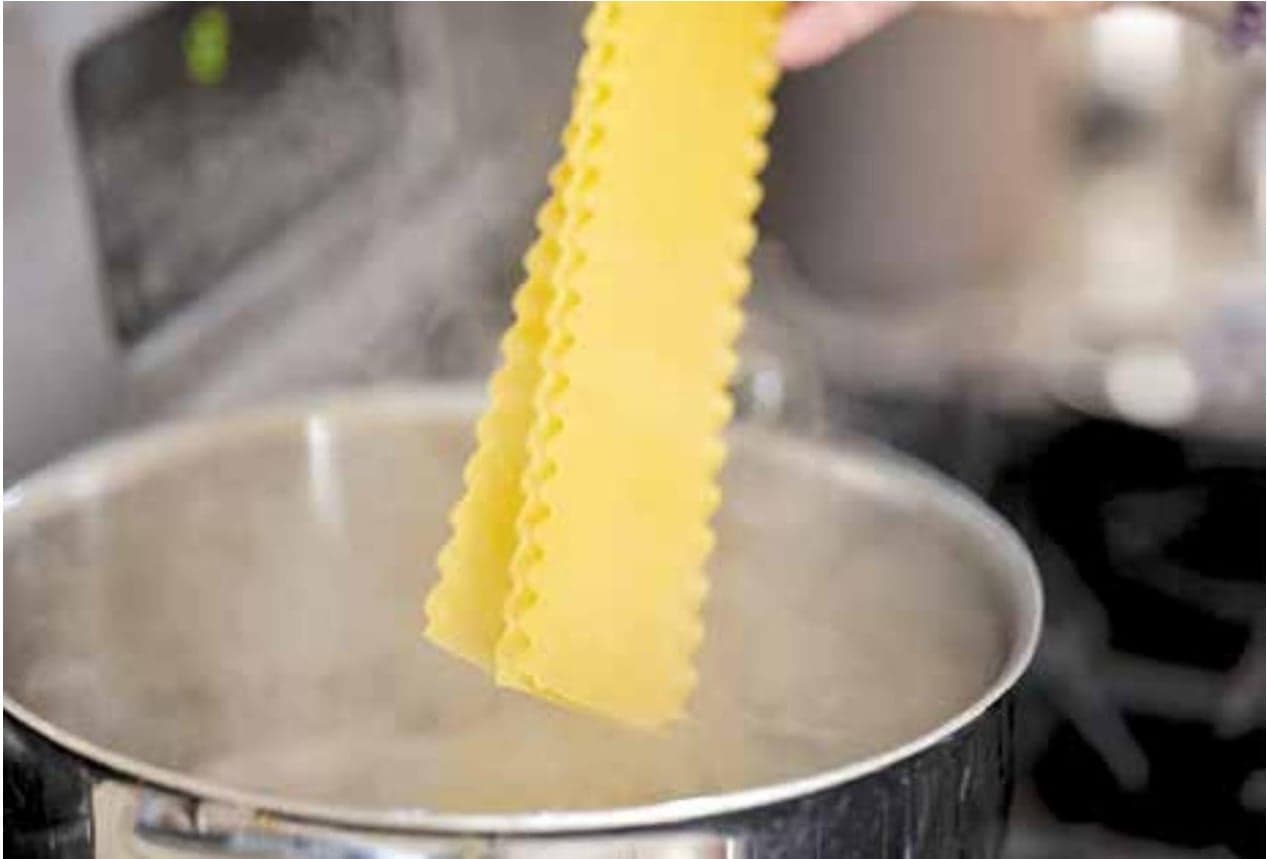
Miriam strolled into the pasta aisle, wheels turning on her cart and in her head. Tonight was lasagna night, and she was ready to make a great meal.
Her eyes landed on the familiar blue Ronzoni boxes. On the left: regular lasagna noodles, patiently waiting for their turn in boiling water. On the right: oven-ready noodles, boldly declaring, “No boiling required!” Miriam smirked. “Well, aren’t you full of your own sauce,” she muttered.
Skipping the steamy noodle shuffle was tempting. But then she noticed the fine print—the kosher symbols. The oven-ready box bore a hechsher with a “K,” while the regular box proudly carried an OU.
“Ah,” she said aloud, “so that’s the pasta point of no return.” She reached for the OU-certified noodles with a smile.
Why doesn’t Ronzoni’s oven-ready lasagna carry an OU? The answer lies in the laws of bishul akum, discussed in Avodah Zarah. Chazal forbade a Jew from eating food cooked by a non-Jew, even if every ingredient is kosher. This decree applies when two conditions are met: