Is Civet Coffee Kosher?
Kopi luwak, also known as civet coffee, is one of the world’s most expensive and least-produced varieties of coffee. It is made from coffee beans that have been eaten by the Asian palm civet and other related civets and…
Kashrus and Food
Kosher and non-kosher food, mixtures, bitul and kitchen questions.
Kopi luwak, also known as civet coffee, is one of the world’s most expensive and least-produced varieties of coffee. It is made from coffee beans that have been eaten by the Asian palm civet and other related civets and…
The following is based on a true story. Nathan comes home from his out-of-town dormitory and loudly declares, “I’m starving!” His mother gently reminds him that he managed for a few months on his own and could fend for…
On a crisp, torch-lit night in eleventh-century Baghdad, the air carried more than the usual scent of roasted almonds, cardamom, and the damp clay of the Tigris. It carried the palpable weight of a changing era.
Our past two articles ruffled some feathers by focusing entirely on chickens. This week, we are switching gears to look at the poultry world’s ultimate nest egg: the egg itself.
For the vast majority of kosher consumers, the process of bringing chicken from the farm to the table seems straightforward. We know about shechita and melicha.
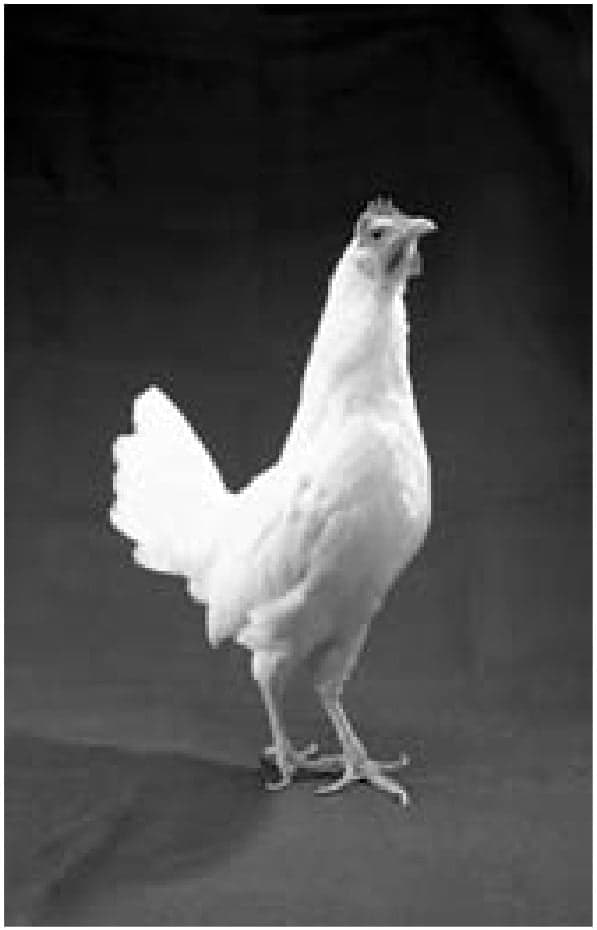
In 2004, the global kosher market experienced a sudden jolt over the ubiquitous Leghorn chicken. For decades, the white Leghorn had been the commercial gold standard for egg production in the United States and Israel.
An inquisitive youngster might ask his father, “Why don’t we eat giraffe?” The old, popular answer was that we simply don’t know where along the long neck to perform shechitah.
Rabbi Yaakov Ettinger, the Rosh HaYeshiva of Zichron Paltiel of Passaic, had a remarkable story told about him at his sheva brachos. The speaker related that he had been a bochur who, at one point, found himself without…
The Ravens from the dark northern crags descended onto the southern plains to face the crimson-crested Falcons riding the rising wind.
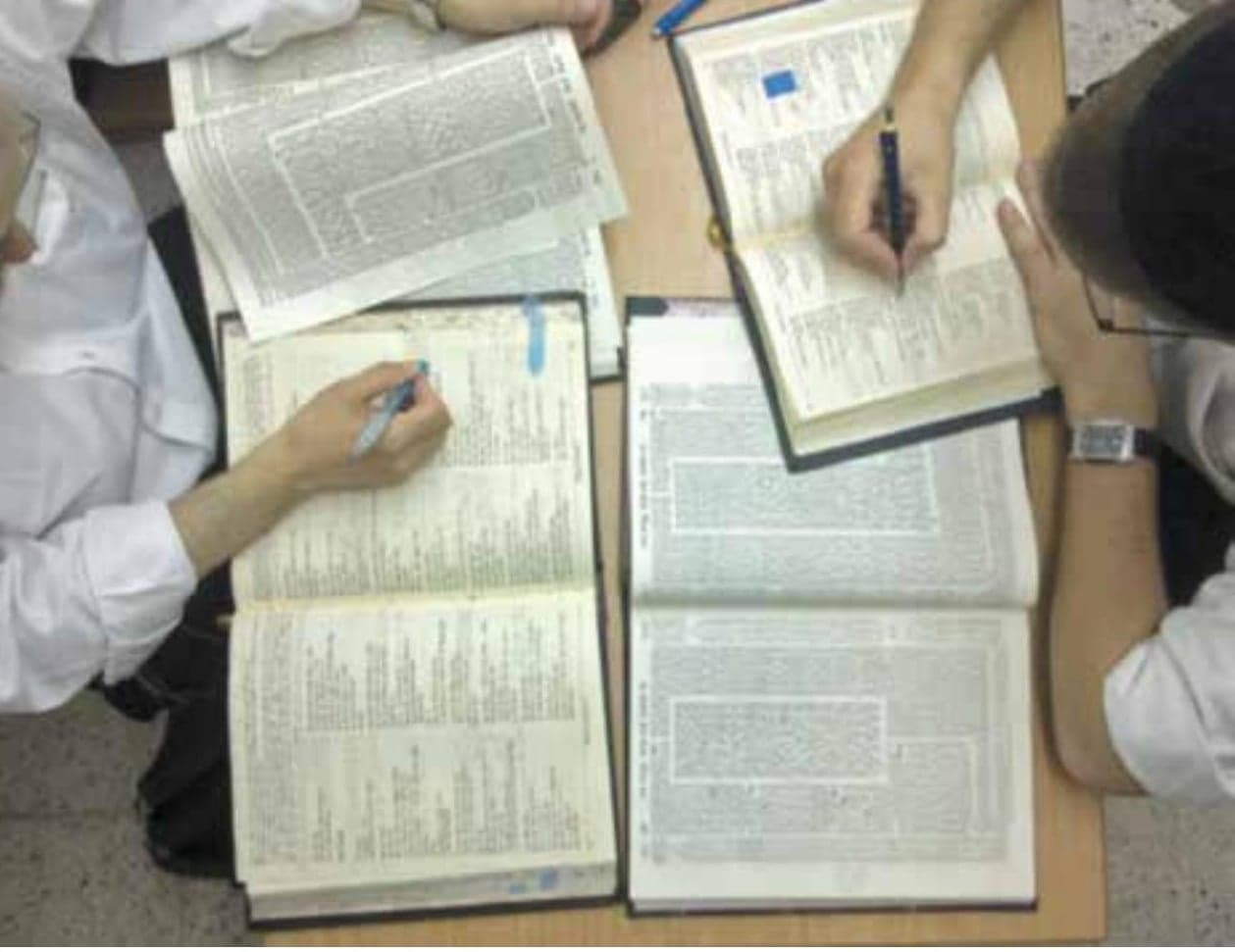
Shimon and Boruch wiped their hands clean after finishing their deli sandwiches. Shimon leaned back, satisfied, and said, “OK, let’s do the daf.
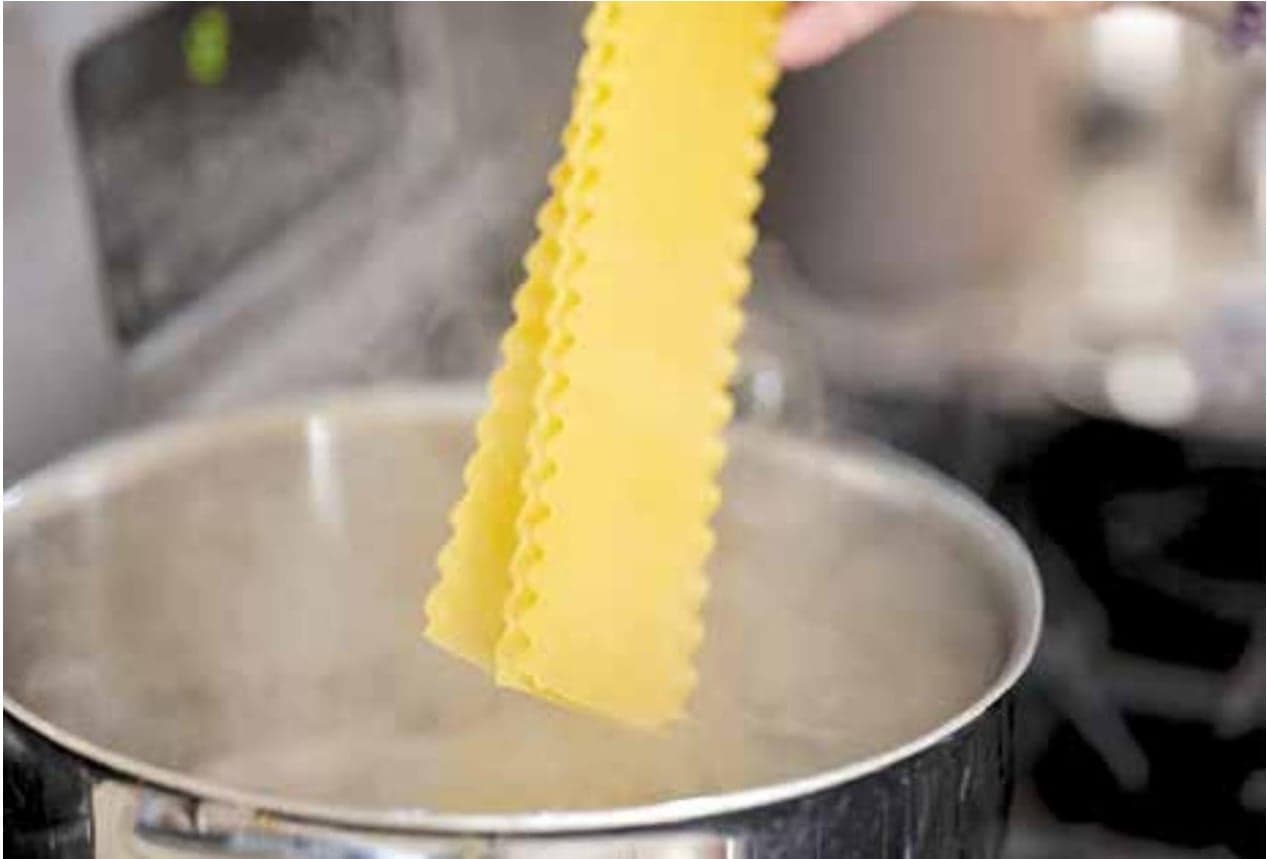
Miriam strolled into the pasta aisle, wheels turning on her cart and in her head. Tonight was lasagna night, and she was ready to make a great meal. Her eyes landed on the familiar blue Ronzoni boxes.
The Air Up water bottle is a reusable drinking bottle designed to make plain water taste flavored through scent-based technology. It uses special “aroma pods” that sit on the mouthpiece and release natural scents as you…
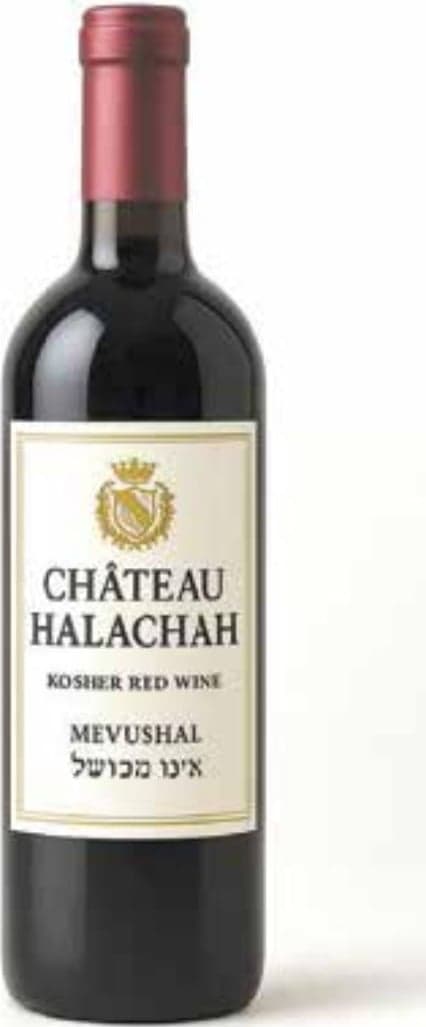
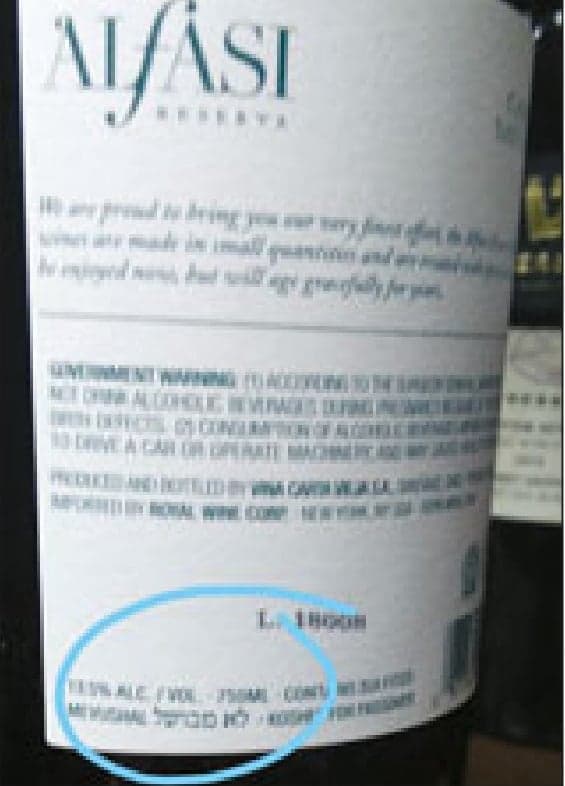
A kosher bottle of wine was sold with a label that stated in Hebrew “Lo Mevushal” (not cooked). However, in English, it stated “Mevushal” (cooked). How can wine be both mevushal and non-mevushal simultaneously?
Unfortunately, there was recently a restaurant that was found to be serving treif under the guise of kosher. Rav Moshe, zt”l, ruled that if an individual had a halachic basis to believe a restaurant was kosher and it…
There was a pregnant woman who smelled food on Yom Kippur. She developed a ravenous desire to eat. If she did not satisfy the craving, it was possible that her life or that of the fetus would be in danger (Yoma 82b).
The following is based on a true story. Nathan comes home from his out-of-town dormitory. He loudly declares, “I’m starving!” His mother gently reminds him that he managed for a few months on his own and surely he can…
Some may know of the latest food craze, hot cocoa bombs. There is something people find comforting about dropping these bombs in hot milk, watching them “explode,” thereby releasing their hot cocoa mix and marshmallows.
In 2013, the Leghorn chicken was the subject of a kashrus controversy. In 2017, the Braekel chicken was the subject of another kashrus controversy.
The daf yomi cycle finished Mesechta Avodah Zara over Pesach. The end of the mesechta discusses the biblical mitzvah of tevilas keilim.
A kosher bottle of wine is being sold with a label that states in Hebrew “Lo Mevushal.” However, in English it states “Mevushal” (see accompanying photo). How can wine be both mevushal and non-mevushal simultaneously?
During the Second Temple period, Eretz Yisrael suffered from a great famine. The great sage Rebbe Yochanan HaChorani survived by subsisting on dried bread and salt.
It’s tough to get some kids to eat their veggies. Kids come up with all sorts of excuses. In the Jewish household, kids have an added reason not to eat their salad. “Ma, we eat this as marror!
A number of years ago, as Pesach approached, my daughter Sara Hindy noticed that there was a bird sitting on a nest in the tree right outside our front window.
The following is a dramatization of a true story that took place around 1675: Chavvos Yair (Rav Yair Chaim Bachrach, 1638–1702): Thank you all members of the Chevrah Lomdei Mishnayos for coming together for this special…
Two weeks ago we learned some interesting topics in the daf that touched on some raging controversies affecting kashrus today. One such Gemara was about the kashrus of sheratzim found in pits of water.
Those who cannot remember the past are doomed to repeat it. It is with this in mind that I bring to your attention an incident that occurred in 2004.
There are words that lose their original definition over time and take on a different meaning. This is certainly true of Yiddish words that have become standard in our vocabulary.
Daf yomi learners began Chulin last week. Chulin is required learning for those studying for semichah. It primarily deals with issues relating to the preparation of kosher meat.
Imagine walking past a popular kosher bakery that has a sign that states “Yashan.” A passerby who doesn’t speak Hebrew asks you what it means.
Avleit, a gentile scholar, avoids touching Shmuel's wine so it won't be forbidden, but Shmuel tells him not to worry: the wine is cooked, mevushal.
A flea jumps into the stew at a Tu B'Av feast. The Chavos Yair won't eat it and asks the Panim Meiros, who first permits it, then agrees he was right.
At a bris, Rav Moshe Feinstein puts down one milk carton for another, and people decide he rejects its hechsher. The real reason: the carton was empty.