A Time To Learn
Recently, a news organization decided it would be interesting to see if Major League Baseball players knew the rules of their game. They composed 10 questions about various scenarios.
Seder Moed · dafim 2–121
Finished March 22, 2021 in this cycle. 29 articles, 6 stories
Recently, a news organization decided it would be interesting to see if Major League Baseball players knew the rules of their game. They composed 10 questions about various scenarios.
A nice Chanukah present might be the FlashTorch. It’s billed as the world’s brightest flashlight, sporting 4,100 lumens of power. Interestingly, it comes with a safety switch.
Carbonite is a company that provides online backup for personal and business computers. In 2009, they lost some of their customers’ data, as a result of what they claim was defective hardware.
Those who studied the daf this week were forced to challenge their long-rooted understanding of the finer points of the Chanukah miracle.
Rabbi Gross, a community rabbi in Omaha, Nebraska, commented that probably one of the weirdest questions he had to ask a gentile in his tenure as rabbi was “Hey, Mr. Electric Company Guy.
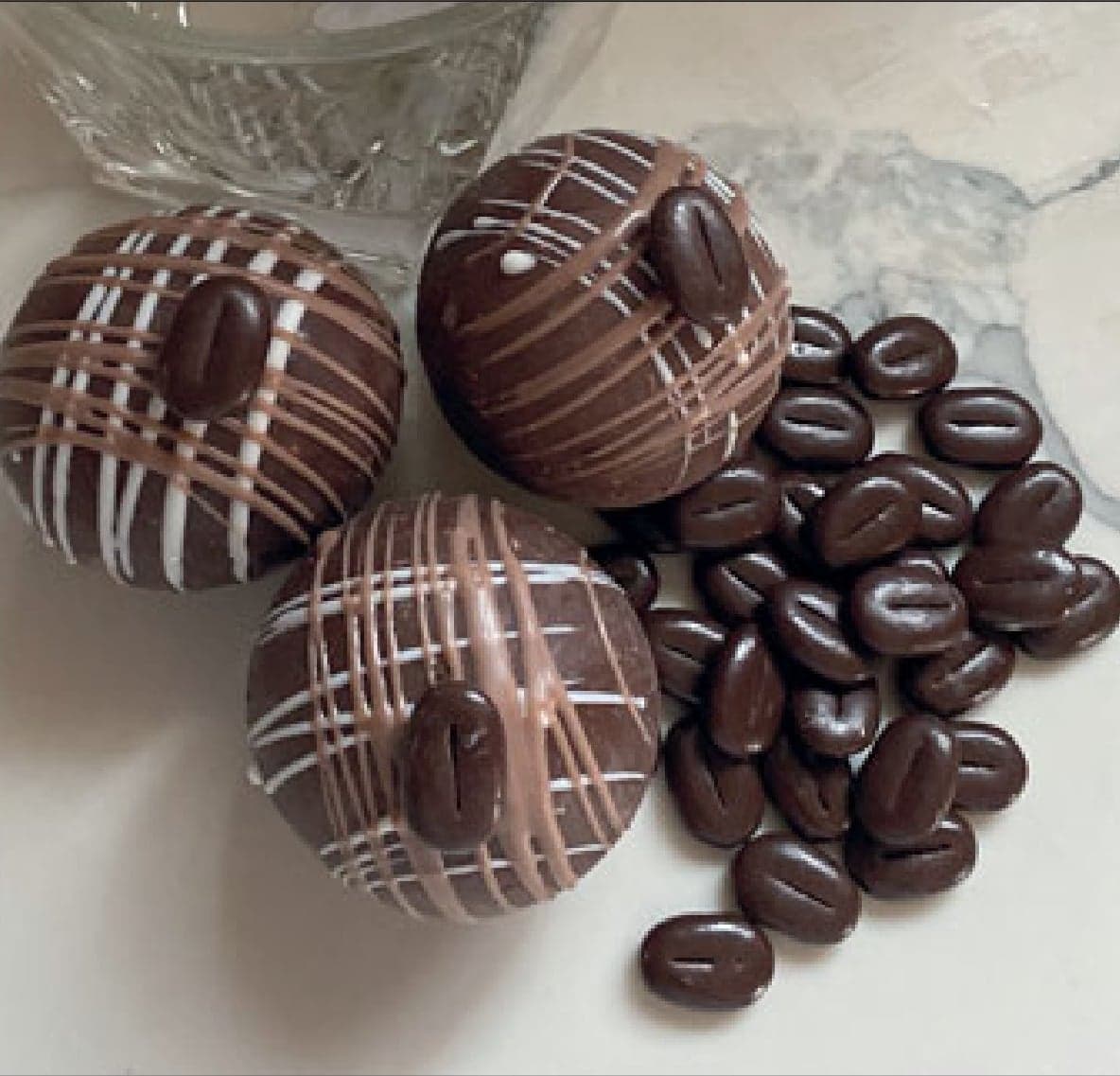
Some may know of the latest food craze, hot cocoa bombs. There is something people find comforting about dropping these bombs in hot milk, watching them “explode,” thereby releasing their hot cocoa mix and marshmallows.
I remember one chol ha’moed Pesach going with a rosh yeshiva and his family to a Mets game. The rosh yeshiva had a son in my class and he invited me to come along.
The following is based on a true story. Nathan comes home from his out-of-town dormitory. He loudly declares, “I’m starving!” His mother gently reminds him that he managed for a few months on his own and surely he can…
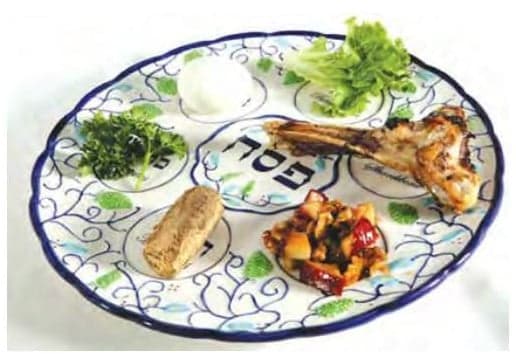
An interesting Pesach product that will take on added relevance this year is egg matzah. Is egg matzah kosher l’Pesach? Can egg matzah be used to fulfill the biblical mitzvah of matzah on the night of the Seder?
Every year around Pesach time, it is obligatory for someone to mention the oft-repeated joke, “Why is matzah called lechem oni? Because it makes the purchaser poor.” With hand matzos selling for as much as $26 a pound…
It’s tough to get some kids to eat their veggies. Kids come up with all sorts of excuses. In the Jewish household, kids have an added reason not to eat their salad. “Ma, we eat this as marror!
Kutach haBavli and espresso-infused chocolate bombs. Seemingly, these two food items have nothing to do with each other. However, kutach haBavli sheds light on an interesting halachic point related to the…
Many years ago, I heard an interesting trivia question asked on a radio show. “Which berachah is recited only on a Wednesday or Thursday?” I was perplexed, though any homemaker who ever had to cook meals for a so-called…
In the summer months, I often arrive home from shul after making an early Shabbos and find someone dressed in Shabbos clothing looking around for a Jew who hasn’t accepted Shabbos yet.
There is a well-known line we recite in the beginning of the Haggadah in the paragraph of Ha Lachma Anya. “Anyone who wants, may come and eat; anyone who wants, may come and join in the Pesach.” Seemingly, this line is…
The very first paragraph in Shulchan Aruch expounding the laws of Minchah raises the following question: “What if there is barely any time left for Minchah?” How appropriate!
In the English language there is an order for descriptive words. Most native English speakers have acquired an innate feel for the right way to express a sentence.
The mishnah in the beginning of the seventh perek of Pesachim instructs one who is roasting his Paschal lamb to employ a spit made of pomegranate wood.
This story may have taken place in 2008, the last time erev Pesach fell out on Shabbos. It takes place between a wise son and his father on the Seder night.
The survival of the donkey would be too great a blow to Bilam’s dignity. The Gemara is replete with examples of the sensitivity we must have even to individuals who may have sinned.
There are two practices at the end of the Seder that are commonly associated with each other, though they are not necessarily connected.
The Gemara (Pesachim 87b) offers numerous explanations as to why Hashem chose Bavel as the destination for the exile. One such explanation is that the language spoken in Bavel, Aramaic, was most similar to Hebrew.
Years ago, a Litvishe individual was on his way to Camp Sternberg, a girls’ camp in Narrowsburg, New York. Although there were married men on campus, it was always difficult to find ten men for the minyanim.
The Daf this week touched on the practice of covering the challah before the Shabbos meal (Pesachim 100a-b). Three reasons are offered for this practice. Tosfos cites two of them. The first is from Rav Achai Gaon.
I once had the “opportunity” to ride on a bus together with a large group of seventh-graders. There was an announcement that the recital of Tefillas HaDerech was imminent.
I once had the “opportunity” to ride on a bus together with a large group of seventh-graders. There was an announcement that the recital of תפילת הדרך was imminent.
During the Pesach Seder, we fulfill the mitzvah of repeating the events surrounding our exodus from Egypt. To involve the children, there are practices specifically geared towards them.
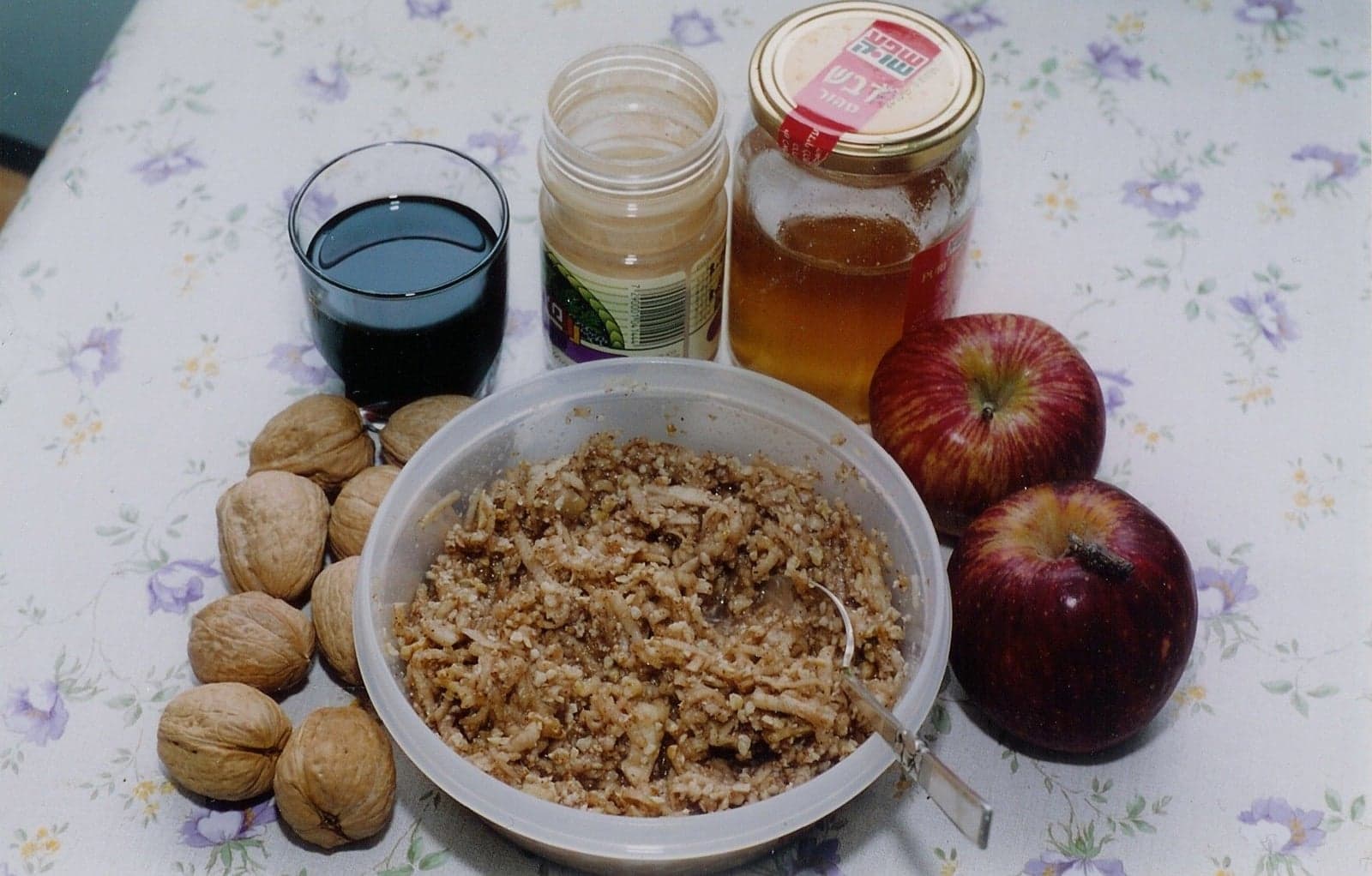
I always marvel at the plethora of new Pesach products that come out every year. Canned charoses is one that I haven’t seen until this year.
There is a sensational new flavor of ice cream being produced by Ben & Jerry’s. The unique charoset flavor is kosher for Passover. Charoset flavor? That’s nuts! But whine? It’s only available in Israel.
To publicize that turning on a lightbulb on Shabbos is lighting a fire, Rav Chaim Ozer Grodzinski ruled that an incandescent bulb may be used for Havdalah.
Upset that Eldad and Meidad prophesied before Moshe Rabbeinu, Yehoshua tells Moshe to imprison them, ruling in his rebbe’s presence, and is punished.
The Greeks defile the Beis HaMikdash oil, but the Chashmonaim find one sealed jug, enough for a single day, which miraculously burns for eight.
During the Hasmonean civil war, the besiegers send a pig up the wall in place of the daily offering's sheep; the land quakes and the Sages curse pig-raising.
King Menashe charges his grandfather Yeshayahu HaNavi with contradicting the Torah about when to pray; Yeshayahu flees, and the Gemara gives the answer.
Asked whether milk could be used for the four kosos, the Brisker Rav handed the questioner 25 rubles, reasoning he surely had no money for meat either.