Don’t Make a “Pour” Decision
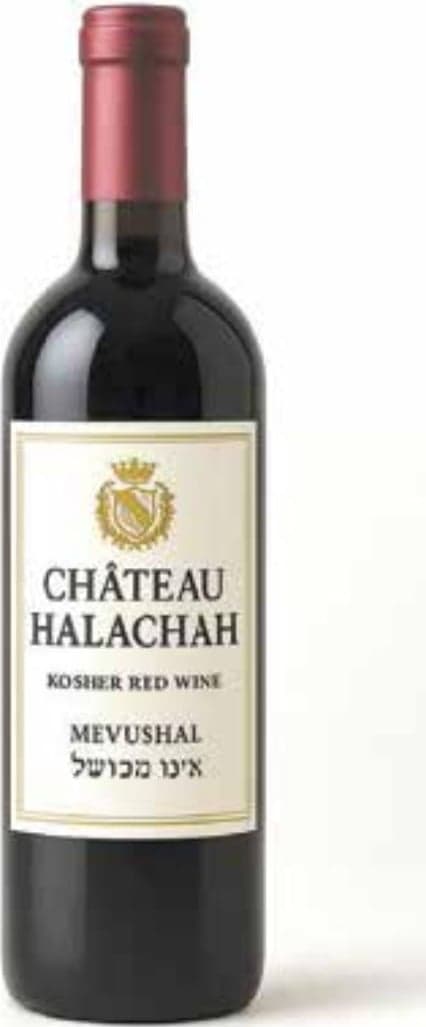
A kosher bottle of wine was sold with a label that stated in Hebrew “Lo Mevushal” (not cooked). However, in English, it stated “Mevushal” (cooked). How can wine be both mevushal and non-mevushal simultaneously? Most likely, the discrepancy was a simple printer’s error. However, that alone would hardly form the basis for an article. Instead, we will suggest that the label may, in fact, mean exactly what it says.
There is a Rabbinic prohibition against consuming the wine of gentiles. By extension, this also applies to kosher wine poured or touched by gentiles. Two primary reasons are given for this prohibition. First, the wine may have been used in a ceremony that pays homage to an idol. Second, consuming such wine may lead to inappropriate relationships.
The Gemara (Avodah Zarah 30a) records that Shmuel once drank wine in the presence of Avleit, a gentile scholar. Avleit was careful not to touch the bottle, knowing that if he did, Shmuel would refuse to drink from it. Shmuel told him, however, that his touching of the bottle was irrelevant, since the wine was cooked— mevushal. From this passage we see a clear leniency: when wine is cooked, it is exempt from the usual restrictions that apply to kosher wine. Mevushal wine may be poured and handled even by a gentile.