The Tiff Over Two Tefillin
Many people wear two pairs of tefillin — Rashi and Rabbeinu Tam. The question arises whether one may wear both pairs at the same time. The Shulchan Aruch rules that one may.
Beis Din and Halachic Process
Disputes in the Gemara and how Chazal disagreed for the sake of Heaven.
Many people wear two pairs of tefillin — Rashi and Rabbeinu Tam. The question arises whether one may wear both pairs at the same time. The Shulchan Aruch rules that one may.
A kosher bottle of wine was sold with a label that stated in Hebrew “Lo Mevushal” (not cooked). However, in English, it stated “Mevushal” (cooked). How can wine be both mevushal and non-mevushal simultaneously?
The following was inspired by a true question posed to the Beis Shlomo. Boruch recently completed Daf Yomi and studied Shavuos 17, where the Gemara considers whether the airspace above the Beis HaMikdash shares its…
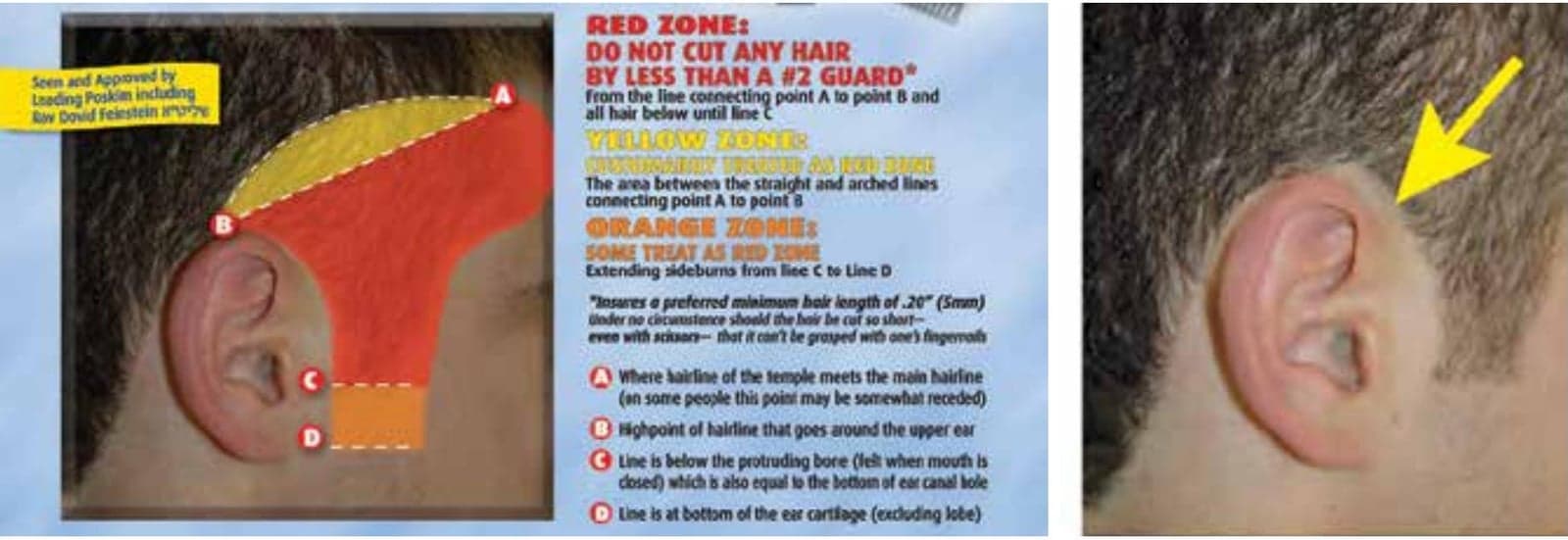
The Rambam uncharacteristically adds a reason to the prohibition against cutting peyos. He says it is because the idol worshippers used to cut off their peyos.
Over the course of more than a thousand years, four separate incidents emerged that all share one striking detail. Because of this common element, various poskim have discussed them together.
When Moshe Rabbeinu wanted to dissuade the populace from joining Korach, he made the following profound proclamation: “If these men die a natural death, that means G-d did not send me.
The Gemara records that there was a dispute between Rebbe Eliezer and the Sages regarding the halachic status of a certain type of oven (Bava Metzia 59b).
There is a Mishnah in Bava Metzia that at first glance seems understandable. Yet when the Gemara (41a) tries to elucidate it, it seems that the first law in the anonymous Mishnah represents the opinion of Rebbe…
The Torah awarded kohanim with terumah gifts. After terumah was separated from freshly grown Israeli produce, the farmer would separate 10% of what remained and give that to a Levi. This is termed Ma’aser Rishon.
Shammai’s daughter-in-law gave birth over Succos (Yevamos 15a). She was recuperating in the house. Shammai managed to make a hole in the roof over the bed she was resting in and placed s’chach over that hole.
Rav Nachum Bar Papa is mentioned in Yoma (67a) on a daf that was recently learned by Daf Yomi participants. What he was quoted as saying is certainly important. Yet, some commentators chose to focus on the name itself.
The following was inspired by a true question posed to the Beis Shlomo. Boruch went to the daf yomi shiur and learned Zevachim 87b. The Gemara questions whether the airspace above the Mizbeiach has the same sanctity as…
Over 111 million people watched the Super Bowl on Sunday last week. Anecdotally, many of them were equally interested in the commercials.
The Mishnah tells us that Rebbe Nechunya ben Hakanah used to utter a short prayer upon entering the beis midrash. Those who witnessed his custom asked about the nature of this prayer.
During the Second Temple period, Eretz Yisrael suffered from a great famine. The great sage Rebbe Yochanan HaChorani survived by subsisting on dried bread and salt.
Dathan Ritzenhein (born December 30, 1982 in Grand Rapids, Michigan) is an American long-distance runner. He held the American record in the 5,000-meter race (12:56.27) from 2009–10, when it was broken by Bernard Lagat.
We sometimes assume that the focus on teaching techniques is a recent phenomenon. After all, in ancient times didn’t students just learn because it was expected of them?
Rabbi Eliezer calls on a carob tree, a canal and the walls of the beis midrash to prove his ruling, but Rabbi Yehoshua and the Sages refuse to accept such proofs.
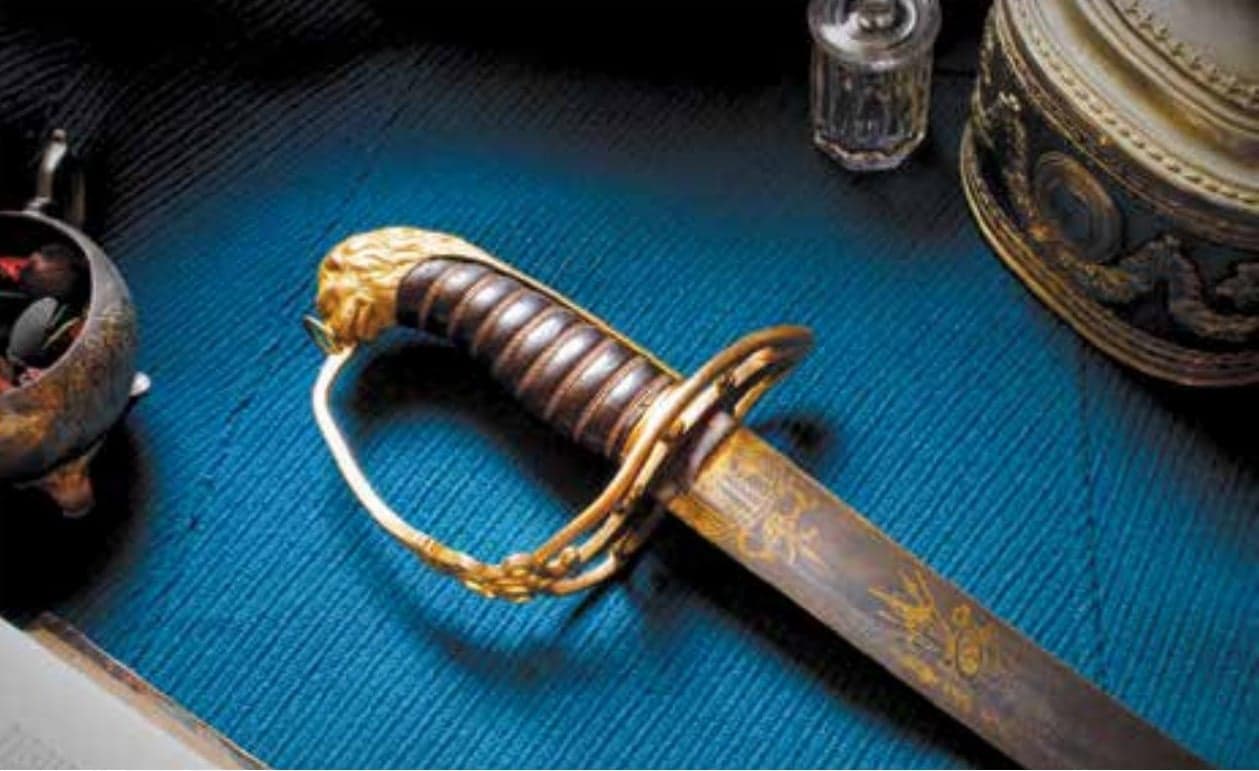
Doeg questions whether Dovid, a descendant of Rus the Moabite, may even join the Jewish people, until Amasa ben Yeter plants a sword in the Beis Midrash and declares the law.
An Arab merchant shows Rabbah bar bar Chanah the smoking cracks where Korach's men were swallowed, and he hears them cry, "Moshe and his Torah are true."
Rabbi Akiva has a farmer move his garden entrance beside a cemetery, so the kohen Rabbi Elazar ben Azaryah can no longer collect Ma'aser Rishon there.