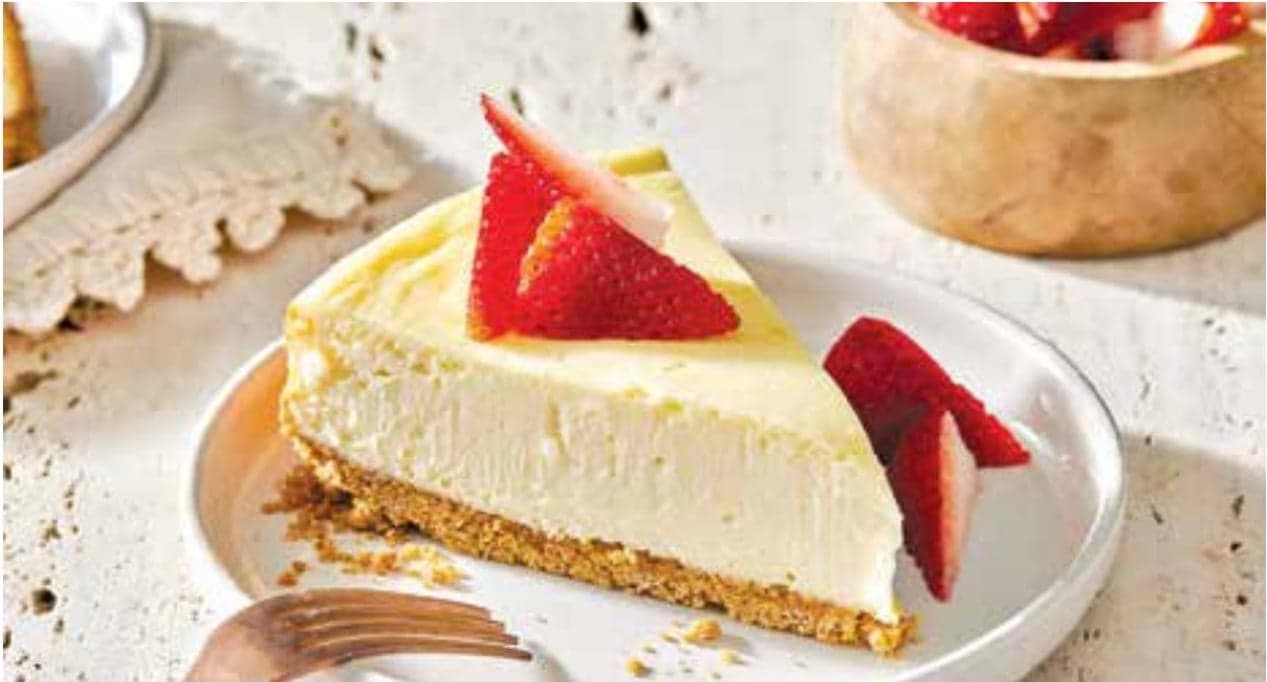
Preparing for Shavuos: More Than Just Cheesecake
How does one prepare for the holiday of Shavuos? Should you experiment with various salmon recipes, dust off the milchig china, or gather the best cheesecake recipe?
Seder Nezikin · dafim 2–49
Finished June 19, 2025 in this cycle. 17 articles, 8 stories
How does one prepare for the holiday of Shavuos? Should you experiment with various salmon recipes, dust off the milchig china, or gather the best cheesecake recipe?
Rabbah bar Bar Channa met an Arab merchant. The merchant said to him, “Come, I will show you the men of Korach that were swallowed up.” He showed him two cracks that emitted smoke.
It’s been quipped that if a non-Jew ever grasped the joy a Jew feels upon skipping Tachanun, he’d convert on the spot. While exaggerated, the joke touches on a subtle truth in Jewish life: the unexpected “elation”…
It is well-known that there is a hiddur mitzvah to light a Chanukah menorah using olive oil. After all, the miracle of the menorah occurred with olive oil.
The Ancient Greek culture was focused on the human body. Someone remarked that on Chanukah we eat latkes and doughnuts fried in oil to ensure that our bodies do not become worthy of worship!
Whenever something meaningful is occurring, people, myself included, rush to take snapshots with their cameras or cell phones. We tend to forgo the greatness of the moment for the opportunity to get a good shot.
The following was inspired by a true question posed to the Beis Shlomo. Boruch recently completed Daf Yomi and studied Shavuos 17, where the Gemara considers whether the airspace above the Beis HaMikdash shares its…
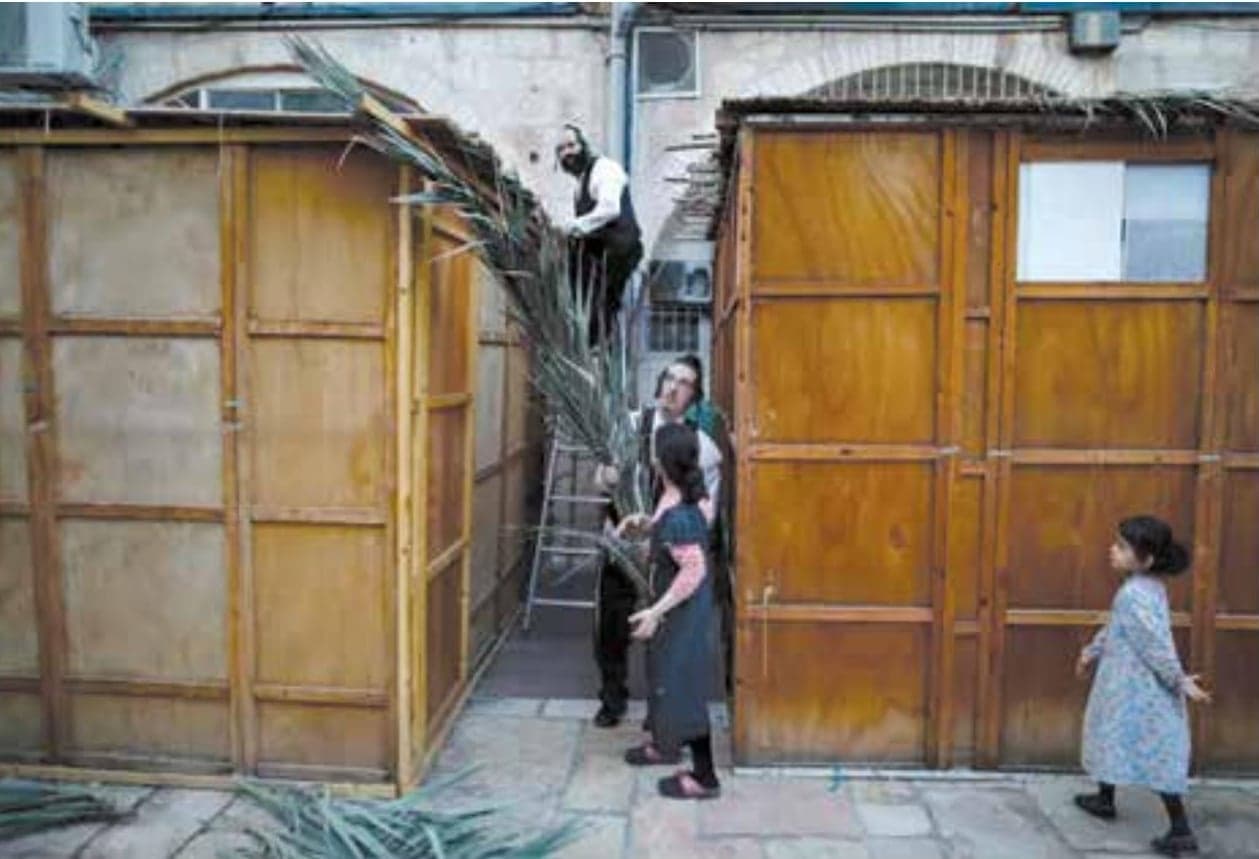
Rav Mordechai Finkelman, mashgiach of Yeshivas Ohr Hachaim, received a generous offer from a friend. The friend offered to build Rav Finkelman a sukkah that would be part of his house.
In 1848, a cholera epidemic swept through Eastern Europe, including the Jewish communities of Lithuania. The disease was swift and deadly, and its effects were especially devastating in crowded and impoverished areas.
There was some controversy printed in this paper surrounding a recent event that featured a female speaker who was purported to be very knowledgeable.
The Gemara (Shevuos 31a) discusses a situation where two litigants appear before a judge. One is wearing expensive clothing valued at 100 maneh, and one is wearing something akin to rags.
The Gemara (Shevuos 35b) says that having guests is a tremendous mitzvah. On the topic of guests, I like to relate the following incident: When I was a bachur, I was frequently invited to various homes for Shabbos meals.
The 2000 presidential election was one of the closest contests in U.S. history, ultimately hinging on the results in the state of Florida. In that state, George W.
There is a clear halachah in Shulchan Aruch (230:1) that a prayer on the past is a wasted prayer. The two examples offered are based on a Mishnah and Gemara in Berachos.
There is a question that is frequently heard in yeshivos: “Why are we learning this topic in Gemara? Why is it relevant?” All topics of Torah are connected.
When someone does you a favor, you say “Shkoyach.” “Can you please pass the gefilte fish?” “Sure.” “Shkoyach.” What does shkoyach mean?
It started innocently enough. Boruch was just going to pop into the store—grab some lightbulbs. That’s it. He even said it out loud in the car like some kind of budgeting mantra: “Just the lightbulbs.
After the Seder, young Pinchas Horowitz, later the Haflaah, explains to his father why Masechta Shavuos, about oaths, is the right way to prepare for Shavuos.
An Arab merchant shows Rabbah bar bar Chanah the smoking cracks where Korach's men were swallowed, and he hears them cry, "Moshe and his Torah are true."
Yaakov Avinu crosses back over the river alone, at some risk, to fetch a few small jugs, because he knew every item Hashem gave him had a purpose.
Rabbi Shmuel HaLevi spread Torah across Spain and beyond; his less humble son and Granada's Jews were murdered on Shabbos, the 9th of Teves.
Offered a ready-made sukkah built into his house, Rav Mordechai Finkelman said no: he wanted to build his own sukkah every year, out of love for mitzvos.
During the 1848 cholera epidemic, Rav Yisrael Salanter went up to the bimah in Vilna on Yom Kippur and made kiddush so that his kehillah would eat.
Angels warn Lot that Sedom is about to be overturned, but his sons-in-law scoff that a city so joyous cannot be destroyed, and the mistake costs them their lives.
Coming home along the road, Hillel hears a scream in the city and declares he is certain it is not from his house, a model of perfect trust in Hashem.