Guest Who?
The Gemara (Shevuos 35b) says that having guests is a tremendous mitzvah. On the topic of guests, I like to relate the following incident:
When I was a bachur, I was frequently invited to various homes for Shabbos meals. I felt it appropriate on those occasions to compliment the hostess on all the delicious food that she had prepared. My standard compliment was “Everything was delicious.” That sounded about as hollow as a box of Pesach chocolates. The truth is that everything usually was delicious—or at least it tasted that way when I was starving! But I needed to come up with a compliment that sounded genuinely sincere. I decided that I would follow up “Everything was delicious” with “And those _____ were amazing.” I would fill in the blank with any food that was served (e.g., “And those chicken cutlets were amazing.”). This usually worked. In fact, the best response was, “Oh, I’m so glad you liked that. I’ll make it next time you’re here.”
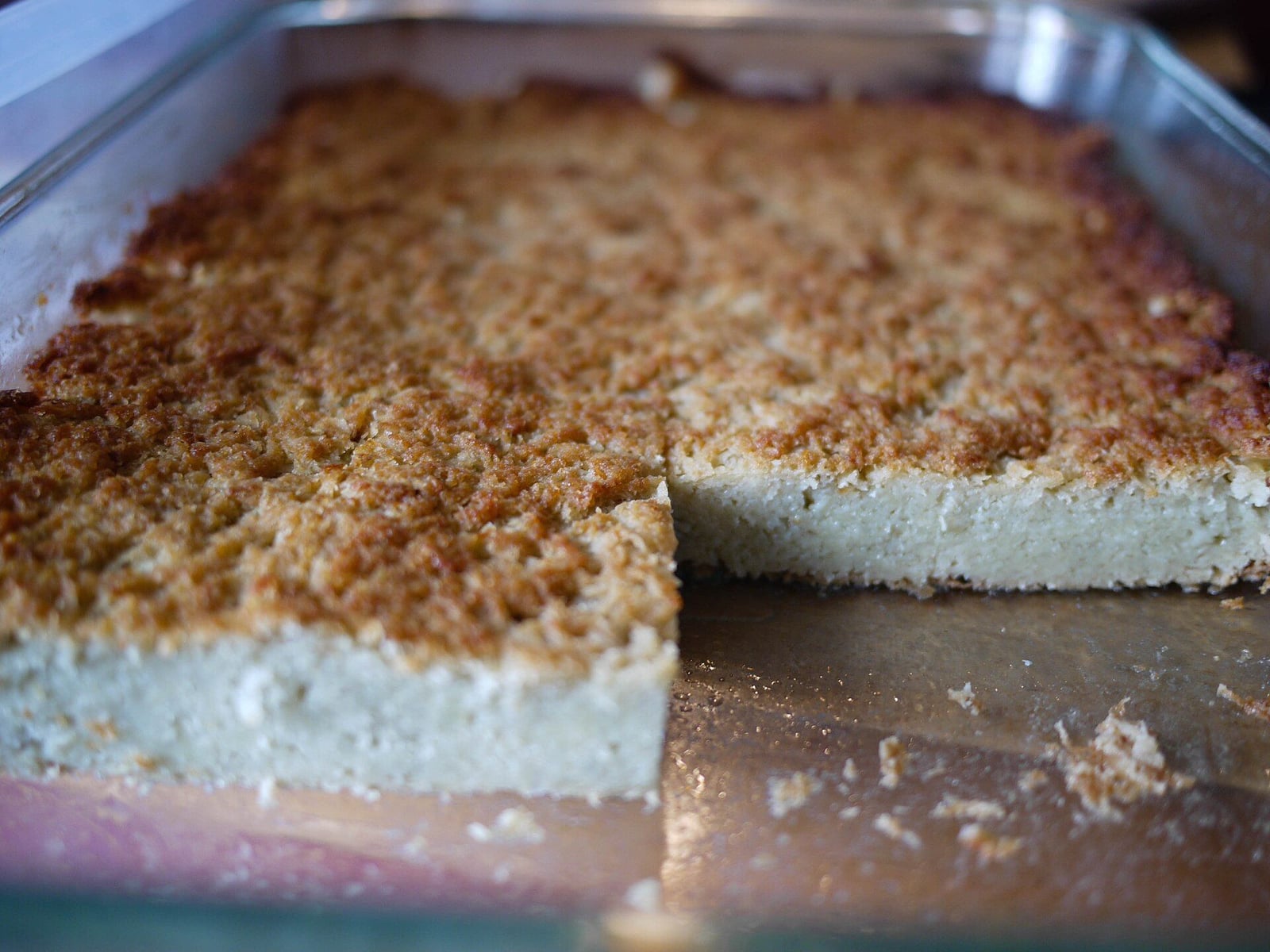
One Friday night, as I was leaving my hosts’ home, I turned to the balabusta and said, “Everything was delicious, and the potato kugel was amazing.” She replied, “I’m glad you liked it. Everything was homemade except for the potato kugel; though since I now know you like it, I’ll buy it again.” That was one of the most embarrassing moments of my life. I felt like sinking right into the floor. I recovered my wits and told her my whole compliment dilemma and my creative solution. I really hope she bought my explanation, because it was the truth. After that, I abruptly stopped using my compliment formula. “Everything was delicious”—though it sounds plain and dull—is better than “You know, you should take a cooking course or two from Chap-a-Nosh on how to make good potato kugel!”
The pasuk says (Bereishis 18:3), “And he [Avraham Avinu] said: My master, if I found favor in your eyes please pass not away from your servant.” Rashi on Shevuos says that the simple explanation of “My master” is that he was addressing the middle of the three guests. It seemed to Avraham Avinu that he was their leader, and if he would stay and consent to being his guest, then the two other guests would stay as well.
However, Chanina ben Achi, Rebbi Yehoshua, and Rebbi Elazar ben Azariah understand the pasuk differently. Avraham Avinu was in middle of talking to Hashem when he saw the three strangers. He asked Hashem to not depart from him while he attended to his guests. The Gemara explains that the statement that “entertaining guests is greater than greeting the Divine Countenance” follows this view.
Avraham Avinu had two choices—continue speaking to Hashem, or tend to total strangers. He chose the latter, because that is what Hashem wanted him to do. The Chochmas HaMitzpun points out that this illustrates the halachah in Yoreh Deah that if someone is growing spiritually by learning Torah and there is a chesed that cannot be performed by others, he should interrupt his spiritual growth to do the chesed.
It is interesting to note that this statement that “entertaining guests is greater than greeting the Divine Countenance” is accepted as practical halachah. This is evident from the fact that the Rambam rules that the word “My Master” should be written in the sefer Torah with the intent of writing a Divine name.
One time when the Chofetz Chaim invited some travelers to his home for Friday night, he came home with his guests and promptly recited Kiddush. He skipped the recital of Shalom Aleichem, the song that is sung to welcome the angels that accompany an individual to his home on Shabbos night. Later in the meal, when everyone had already partaken of the Shabbos food, Shalom Aleichem was sung. Rabbi Yehuda Leib Chassman, who witnessed this event, asked his rebbi what the rationale for doing this was.
The Chofetz Chaim explained: The guests had traveled all day, and must not have had the opportunity to eat, especially since they were in a hurry to arrive before Shabbos. If serving guests comes before greeting the Divine Presence, then it certainly comes before greeting angels! Anyway, angels are not hungry, and they can wait until after the first course. People who are hungry should not be made to wait.
There is a common misunderstanding of what hachnasas orchim really is. Some people wrongly assume they can fulfill this special mitzvah by inviting their good friends and neighbors to a Shabbos meal. This definitely would be included in the general mitzvah of “Love your neighbor as yourself,” but it would not necessarily be hachnasas orchim.
What type of guest actually does qualify for this mitzvah? The Rema (333:1), quoting the Terumas HaDeshen, rules that a real “guest” is someone who comes from out of town and does not have a home in the host’s city.
I once heard from a rebbi that a college student or yeshiva bachur from out of town who has meals on campus would still qualify as a “guest” for this mitzvah. Though these students technically have a place to eat, they don’t have the warmth and atmosphere of a family meal. I asked Rav Yisrael Belsky, shlita, for his opinion, and he concurred, adding that a lonely individual who is made to feel more at home at your house would also qualify as a real guest.
Why did the Rema need to explain what a true hachnasas orchim guest is? Because there are certain leniencies on Shabbos that may be performed for the purpose of fulfilling true hachnasas orchim. The one listed in Shulchan Aruch is not too common. I asked Rav Belsky for a relevant leniency. He offered the following example: On Shabbos one is not normally allowed to put a fully cooked dry food—potato kugel, for example—over an open flame. One is not even allowed to ask a non-Jew to do this. However, if there is an existing flame, one is allowed to ask a non-Jew to place fully cooked potato kugel over the open flame so that his “real orchim” may have hot potato kugel. It is not permitted, however, for a new flame to be started. (In halachic terms, a shvus d’shvus is permitted for the mitzvah of hachnasas orchim.)
More Gemara stories
Questions on this article

Rabbi Avrohom Sebrow
Rebbe at Yeshiva Ateres Shimon in Far Rockaway. He leads the Daf Yomi chaburah at Eitz Chayim of Dogwood Park in West Hempstead, and writes “Delving into the Daf” each week for The Jewish Home.
About and contact