In a Pickle
In the “you can’t make this stuff up” department, 35-year-old Bobby Bolen of Niles, Michigan, was sentenced to 54 days in prison plus probation after barging into his then-friend Lee’s home, throwing him on the couch…
Life and Society
Tributes, hespedim and stories about the great rabbanim of our time.
In the “you can’t make this stuff up” department, 35-year-old Bobby Bolen of Niles, Michigan, was sentenced to 54 days in prison plus probation after barging into his then-friend Lee’s home, throwing him on the couch…
The Gemara (Chullin 105a) records a fascinating statement by Mar Ukva: “I am like vinegar from wine compared to my father. For if my father ate meat one day, he would not eat dairy for another 24 hours!
A friend of mine once noticed a peculiar habit of his mother-in-law: whenever watermelon was served for dessert at a Shabbos meal, she would always eat it with a challah.
The Shulchan Aruch (Orach Chaim 98:4) writes that tefillah, specifically the Shemoneh Esrei, is comparable to the offering of a korban. “Prayer stands in place of the sacrifice.
An astute observer might notice that many Chassidishe wedding halls do not have mirrors in the men’s restrooms. The source for this practice can be traced to Masechta Avoda Zara.
At the end of elementary school, one young student resolutely decided to stop celebrating birthdays, feeling it was a frivolous custom reserved for little kids, like tagging along with the family to the zoo on Chol…
In 1848, a cholera epidemic swept through Eastern Europe, including the Jewish communities of Lithuania. The disease was swift and deadly, and its effects were especially devastating in crowded and impoverished areas.
(Translated by Rabbi Avrohom Sebrow – Email [email protected] for sources) Rav Chaim Kanievsky zt”l was renowned for his concise, often one-word answers to halachic questions.
Rebbetzin Leah Auerbach, a”h, once visited a glasses store in Yerushalayim to purchase a new pair of glasses. She was considering photochromic lenses, which darken in sunlight and return to their clear state indoors.
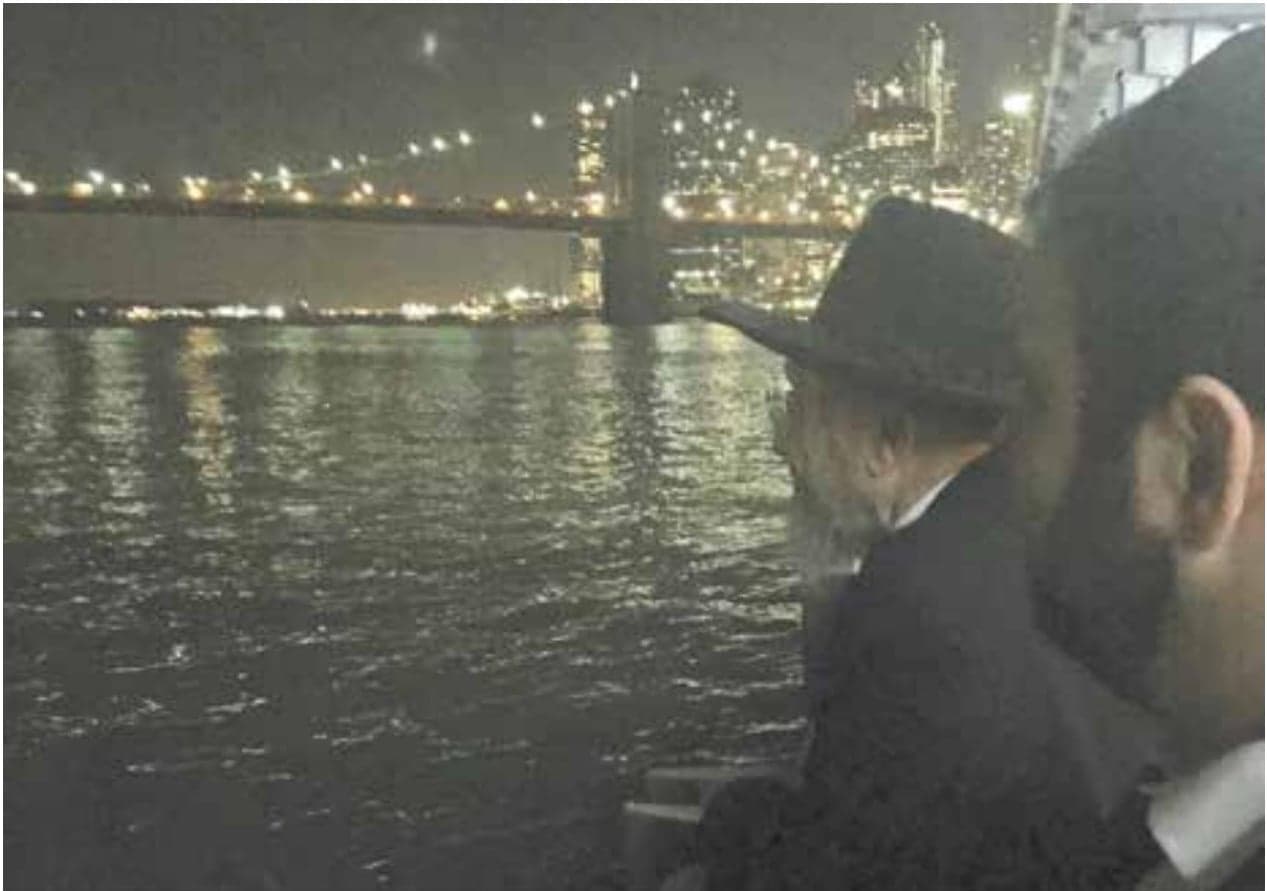
The photograph accompanying this text captures a moment in the life of Rav Dovid Feinstein, zt”l. Standing solemnly over the East River, he is not simply admiring the view but is engaged in a spiritual act.
Which is the better option: a yeshiva located in a premises with a cave, dragon, and dungeon, or a brand-new, modern building? Why would anyone choose an ancient building over a new, state-of-the-art one?
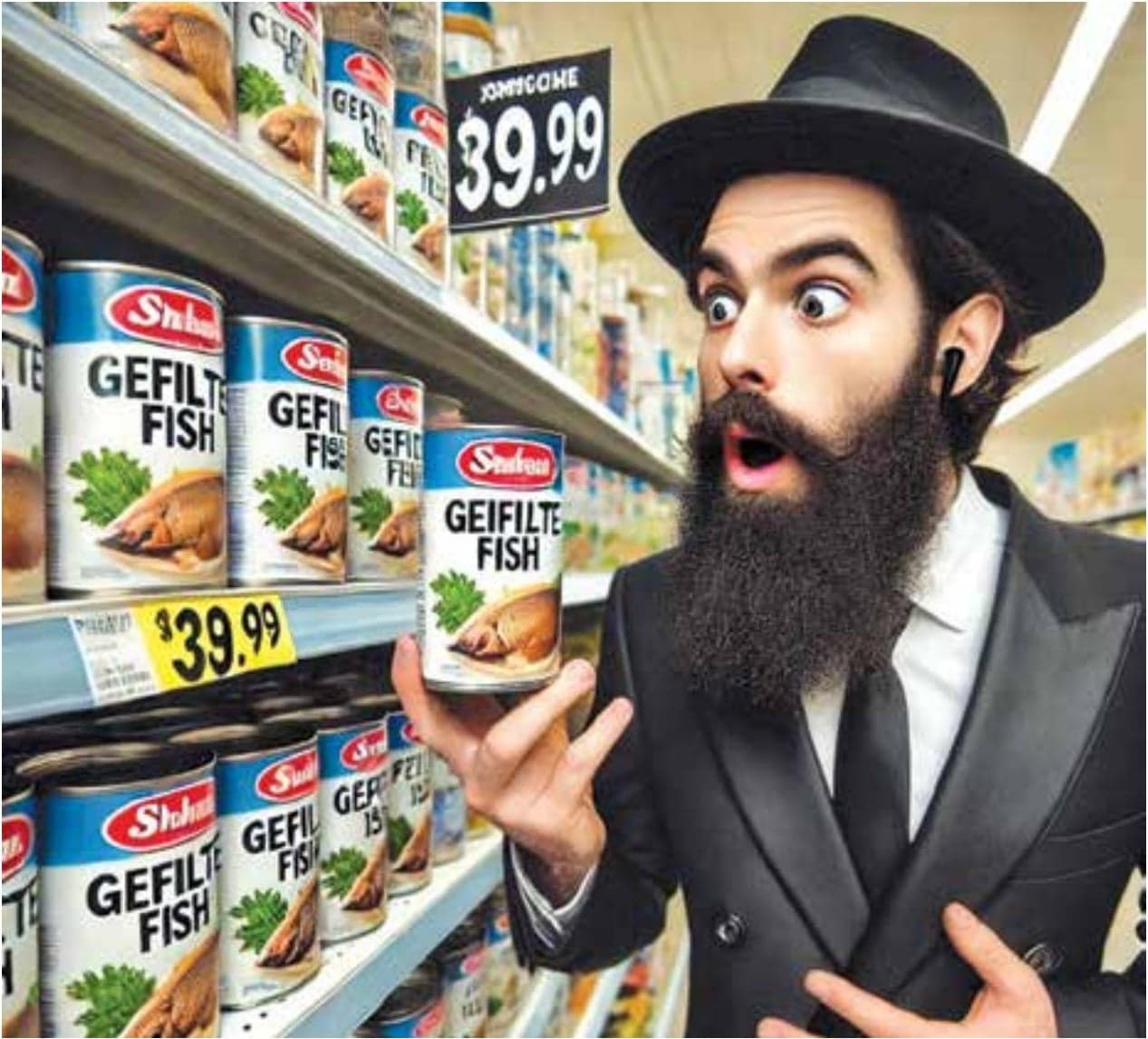
The following is a dramatized version of a true story. Over time, the populace of a certain town noticed that there was something fishy about the price of fish. It kept floating higher, not the typical ebb and flow.
The Gemara in Bava Basra (134a) relates that Hillel the Elder had 80 students. Thirty of them were of the stature that they should have merited the Divine Presence descend upon them as it did on Moshe Rabbeinu.
Daf Yomi learners have become very familiar with the Rashbam. His commentary replaced Rashi’s for most of Bava Basra. At the end of Eruvin, the Mordechai (528) recounts an interesting incident involving the Rashbam.
A mishnah in Ta’anis declares that the most joyous holidays on the Jewish calendar are Yom Kippur and Tu B’Av. The Gemara says that Yom Kippur was joyous because the nation was forgiven for its sins.
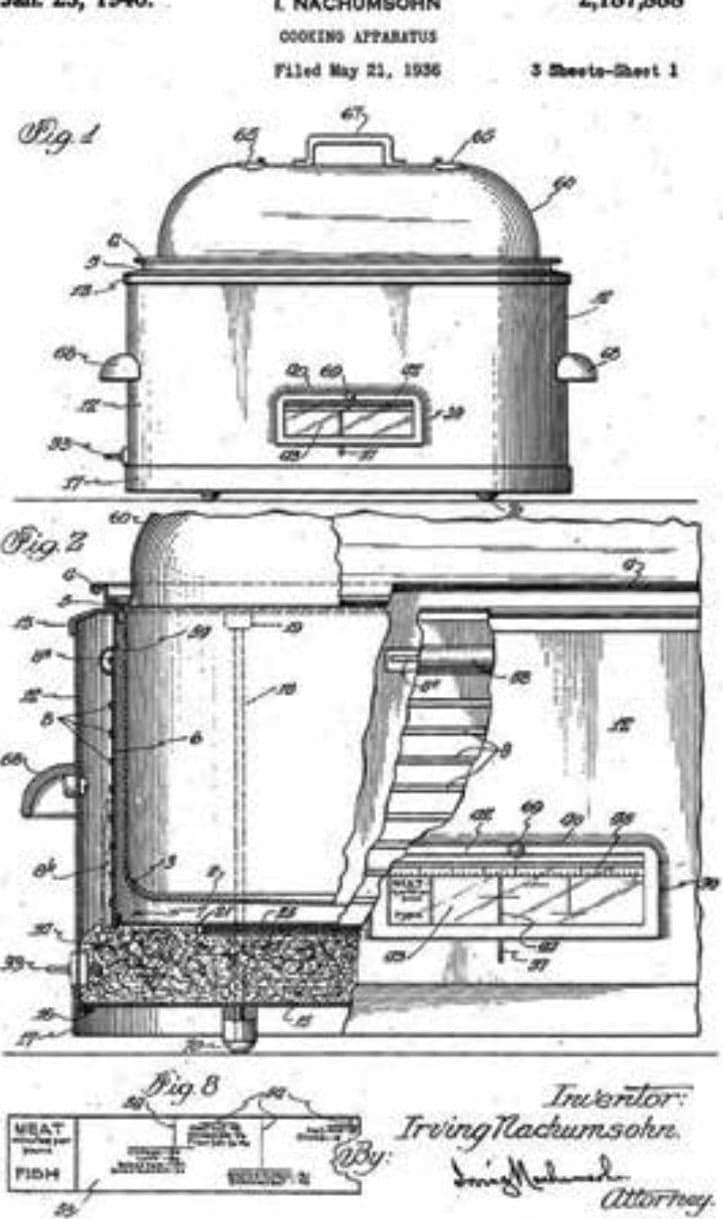
When Irving Nachumson filed for a patent in 1936, could he have imagined that his invention would be the center of a major halachic controversy sixty years later?
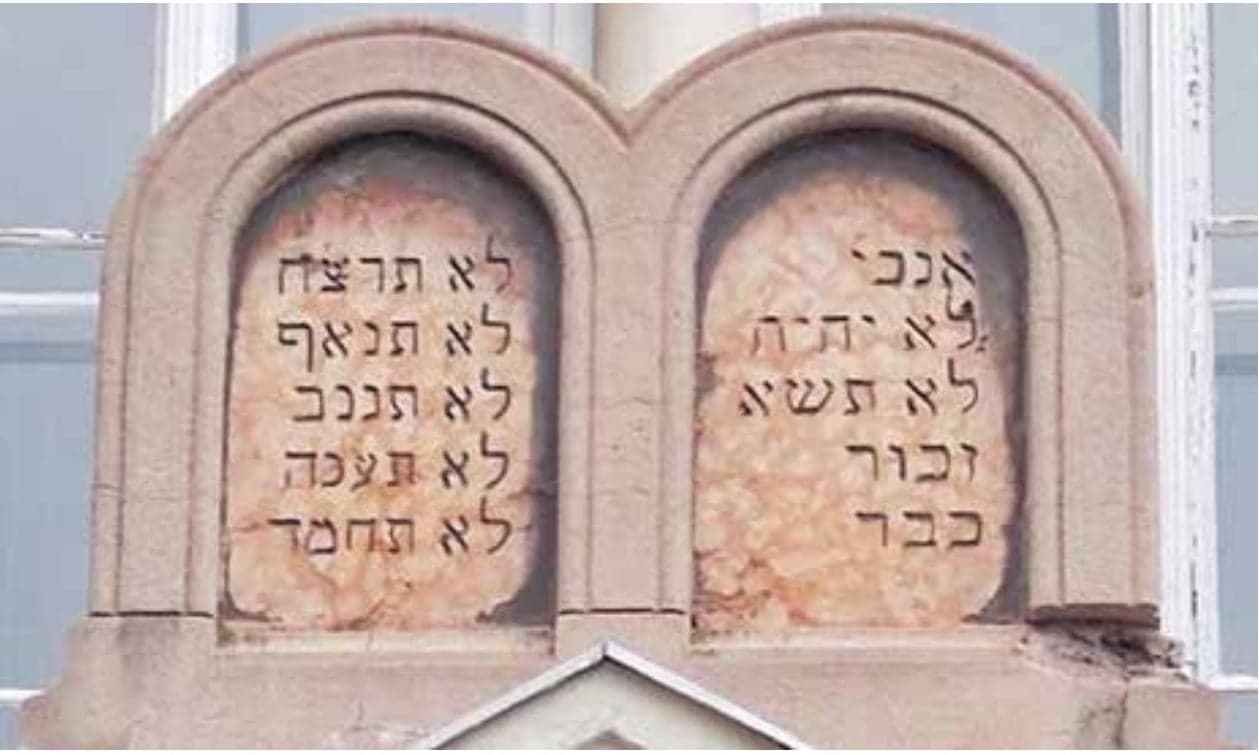
In July 2001, Chief Justice Roy Moore of the Alabama Supreme Court had a massive granite monument – it weighed more than two tons – of the Ten Commandments placed in the Alabama state judicial building.
Rebbe Chiya was a teacher of Torah. (Bava Metzia 85b) The Gemara relates how Rebbe Chiya personally oversaw the entire harbotzas Torah process from the very beginning. He would plant seeds. Not seeds of Torah!
There is a Mishnah in Bava Metzia that at first glance seems understandable. Yet when the Gemara (41a) tries to elucidate it, it seems that the first law in the anonymous Mishnah represents the opinion of Rebbe…
Hillel says, “He who seeks a name loses it. He who does not increase decreases” (Pirkei Avos 1:13). The first half of Hillel’s statement is easily explained by a well-known dictum in Eiruvin, “Whoever runs after glory…
The Gemara (Bava Kama 61b) expounds a story recorded in Shmuel and Divrei Hayamim. Dovid HaMelech was fighting the Philistines. A halachic question arose whether his army was permitted to destroy an individual’s…
One Shabbos, a woman was at her wit’s end when her baby refused to nurse. Looking for guidance, she went to see the Rogochover Gaon. The Rogochover looked up from his sefer and told her not to worry, “It’s a Yeushalmi.”…
At a typical wedding, there can be no doubt who the kallah is. But hundreds of years ago, a chassan got himself into a jam due to a lack of specificity.
HaRav Meir ben Jacob HaKohen Schiff (1608–1644) wrote a commentary on a number of mesechtos that are commonly studied in yeshiva. The commentary, commonly referred to as the “Maharam Schiff,” is cryptic and often…
Occasionally, it happens that a child may give someone mishloach manos and not receive anything in return. This may be because the intended recipient isn’t home, or they ran out of mishloach manos, or for some other…
There is an oft repeated story involving Rav Moshe Feinstein, zt”l. Rav Moshe was attending a bris. There were two cartons of chalav Yisrael milk in front of him, from two competing brands with different hechsherim.
HaGaon Rav Yosef Shlomo Kahaneman, zt”l, would often adjure his students to treat every moment of life as priceless. He would encourage them to take advantage of every moment to be involved in mitzvos and positive…
Wichita Falls, Texas, is home to Sheppard Air Force Base. A Strategic Air Command Operational Wing of B-52 bombers was located there in the ‘60s. The 494th Bomb Wing was located there until 1965.
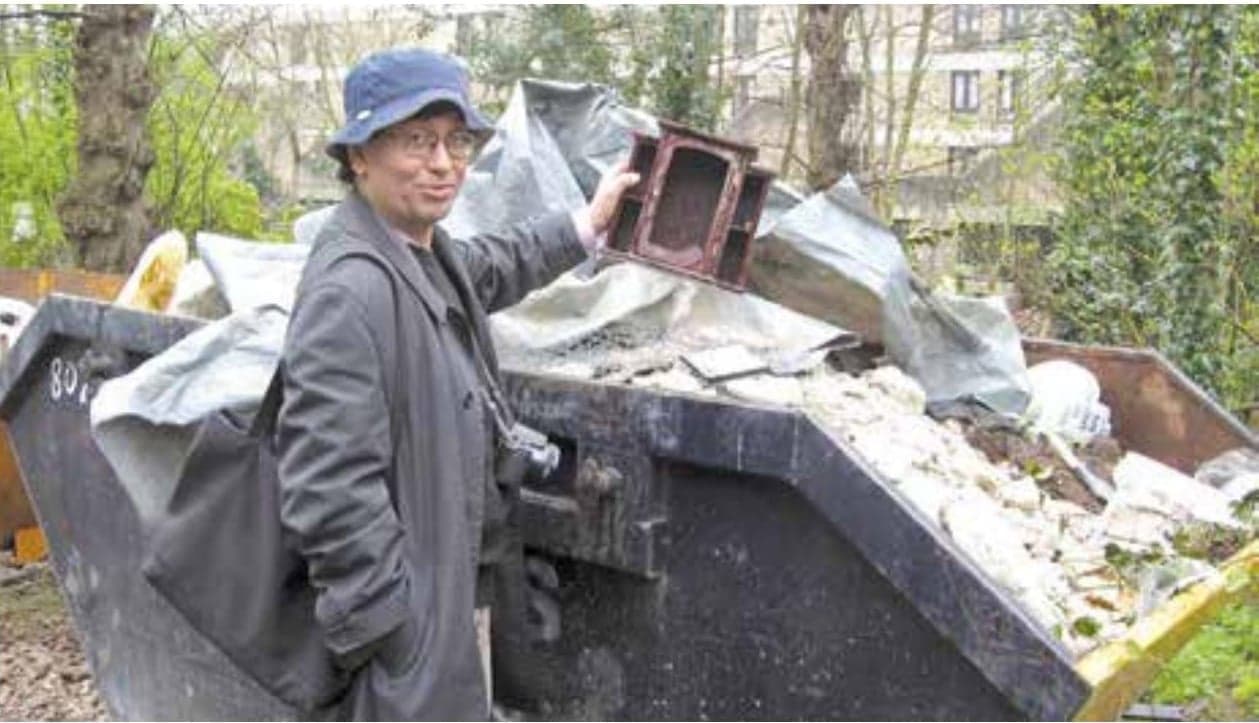
“Dumpster diving” is the practice of sifting through commercial or residential trash to find items that have been discarded by their owners but which may be useful to the dumpster diver.
HaRav HaGaon Avrohom Kanarek, zt”l, of Yeshivas Chofetz Chaim in Yerushalayim taught Torah for many years in a humble and unassuming way. He shied away from kavod.
A few years ago, a Jewish individual put his portion of Olam Haba, the World to Come, up for auction on eBay. The bidding started in the morning at 99 cents and had jumped to $100,000 by the afternoon.
Daf Yomi learners relish when the daf that they learn relates to their daily lives, but that is somewhat difficult with this particular tractate, as nezirim seem hard to find.
There was a villager – we’ll call him Reuven – with a taste for fine liquor and a nice collection of schnapps barrels. Reuven knew how to enjoy his liquor responsibly.
The daughter of the emperor once said to Rabbi Yehoshua ben Chananya, “You are the epitome of magnificent Torah, but it is stored in an ugly vessel!” Apparently, Rabbi Yehoshua ben Chananya was an unattractive man.
The Gemara in Nedarim (15a) says that an oath not to sleep for three days is considered to be a shevuas shav, a vain oath. It is not physically possible to stay awake for three days.
The great Rishon Rabbeinu Chaim HaKohen once remarked that had he already been born when Rabbeinu Tam passed away, he would have become tamei and gone to his funeral.
The story is told of a man who approached a rabbi. He said to him, “Why are you always so machmir? Every time I ask you a question, the answer is always that it is forbidden.” The rabbi said, “I’m surprised to hear you…
Rav Shlomo Halberstam, zt”l, the Bobover Rebbe, was instrumental in saving many lives during the Holocaust. The Bobover Rebbe borrowed whatever money he could to secure visas and travel documents for would-be victims.
The following questions were posed to Sar HaTorah Rav Chaim, zt”l. Rav Chaim wrote a letter regarding the publication of questions posed to him.
Sometimes, while learning Talmud and the commentaries, one can uncover new facts about the events recorded in Tanach. Tosfos in Yevamos (21a) states that Dovid HaMelech married the former wife of Shaul HaMelech, Ritzpah…
Klal Yisrael is in a deep state of mourning for the Sar HaTorah, HaGaon HaRav Chaim Kanievsky, zt”l. HaRav Binyomin Forst, shlit”a, remarked that we are no longer living in the same world.
HaRav Chaim Kanievsky, shlita, typically answers questions in a short, concise fashion. HaRav Zev Aryeh Steiglitz, shlita, had the opportunity to ask him many questions about Megillas Esther.
Rav Shmuel Eliezer HaLevi Eidels, more commonly known as the Maharsha, was Rosh HaYeshiva in Austroha. At one point due to the great influx of talmidim to his Yeshiva, the community decided to erect a larger building.
The Mishna at the end of Taanis (26b) quotes Rabban Shimon Ben Gamliel who declares that the most joyous holidays on the Jewish calendar are Yom Kippur and Tu B’Av.
The pasuk says (Bereishis 18:3), “And he [Avraham Avinu] said: ‘My master, if I found favor in your eyes, please pass not away from your servant.’” Rashi on Shavuos says that the simple explanation of “My master” is…
It’s time to dust off Mesechta Rosh Hashana. The Daf will be finishing with Mesechta Beitza shortly. Someone studying the Daf with an Artscroll Shas will find nothing amiss.
The story is related that a Jew, who had only five rubles to his name, was in dire need of a large sum of money for his daughter’s upcoming marriage. He went to his Rebbe for advice.
A nice Chanukah present might be the FlashTorch. It’s billed as the world’s brightest flashlight, sporting 4,100 lumens of power. Interestingly, it comes with a safety switch.
Klal Yisrael suffered a tremendous loss last week with the passing of Moreinu Rav Dovid Feinstein, zt’l. There will be much written, be’H, about the gadol ha’dor.
Now that Chanukah is over, we turn our attention to the somber day of Asarah B’Teves, a community-wide fast. Nevuchadnezar laid siege to Jerusalem on the tenth of Teves.
There is a well-known and widely used technique to free oneself from violating the prohibition of owning chametz on Pesach — selling one’s chametz to a gentile. Famously, the Vilna Gaon was against this practice.
Mazel tov to all those who finished Bava Basra! It was especially monumental considering that Bava Basra is the longest mesechta in Shas, by the number of pages.
Rabbi Shlomo Kluger, zt’l, was the chief dayan in Brody, Galicia. One Shabbos, someone rode into town with an urgent message for the first Belzer Rebbe, Rav Shalom Rokeach, zt’l.
Rav Yosef Weissmandl took his son Rav Chaim Michoel Dov (Michoel Ber) Weissmandl (1903–1957) to receive a berachah from Rav Yosef Tzvi Dushinsky (1867–1948). Rav Michoel Dov was just a young boy of 11 at the time.
In Pozen, the hometown of the great and revered sage Rabbi Akiva Eiger, zt’l, lived a wealthy Jew. Unfortunately, this Jew had built his fortune largely by lending money to other Jews with interest.
In my first year of attending yeshiva gedolah in Yeshivas Chofetz Chaim, I had the z’chus of having Rabbi Shmuel Niman, zt’l, as a rebbe.
The Gemara records an incident where Rav Huna admonished his son Rabbah for not studying under the guidance of Rav Chisdah, whom Rav Huna considered an exceptional scholar.
The Mishnah tells us that Rebbe Nechunya ben Hakanah used to utter a short prayer upon entering the beis midrash. Those who witnessed his custom asked about the nature of this prayer.
One Shabbos, a woman was at her wit’s end when her baby refused to nurse. Looking for guidance, she went to see the Rogochover Gaon. The Rogochover looked up from his sefer and told her not to worry—that “it’s a…
Many times I have heard this same story involving Rav Moshe Feinstein, zt’l. Rav Moshe was attending a b’ris. There were two cartons of chalav Yisrael milk in front of him, from two competing brands with different…
The story is told that someone approached the Chasam Sofer with a dilemma. This man had a Torah scroll in his possession, but he was unsure if the scribe who wrote it was Jewish, or if perhaps it was written by a…
I recall a conversation I once heard when I was a resident of a dormitory. One fellow tossed a wrapper onto the floor, whereupon his friend chastised him about the unsanitary conditions of his room.
Rabbi Chiya’s father had a son, Aivu, from a previous marriage of his. Rabbi Chiya’s mother had a daughter, Ima, from a previous marriage of hers.
Rebbe Yehuda HaNasi would temporarily shut down his yeshiva on Purim so that his students could go to a shul and listen to the Megillah.
In Parashas Korach, Moshe Rabbeinu announced that the events that were about to unfold would establish clearly whether or not Korach was right in his challenge.
A tale is told about a visitor to a yeshiva. Upon entering the study hall, he noticed that the students were engaging in self-improvement techniques to acquire the trait of humility.
The Gemara relates (Yoma 66b) that a wise woman asked Rebbe Eliezer: Since all the people that worshipped the Golden Calf committed a serious sin, why do we find that they received different punishments?
The following is a dramatization of a true story that took place around 1675: Chavvos Yair (Rav Yair Chaim Bachrach, 1638–1702): Thank you all members of the Chevrah Lomdei Mishnayos for coming together for this special…
I am embarrassed to even attempt to write an article about my rebbi, HaRav Alter Henoch Leibowitz, zt’l, the longtime rosh yeshiva of Yeshivas Chofetz Chaim in Queens. Anything I write will be woefully insufficient.
Told that the Divrei Chaim called checking tefillin in a mirror the mark of an am ha'aretz, the Brisker Rav said he would rather be one and wear them right.
Rav Henoch Leibowitz stood on tiptoe to check his tefillin in a small hallway mirror, until a bochur quietly put up a lower mirror for his Rosh Yeshiva.
Rav Dovid Feinstein, strict about chametz sold over Pesach, buys a bakery's challos the day after Yom Tov: she was closed nine days and needs parnassah.
A South African congregant objects to his shul's round-topped Luchos. Rav Moshe Sternbuch finds no real problem, but for peace has them squared off.
Rav Shlomo Zalman Auerbach's reported last ruling forbade crockpots on Shabbos, and a letter asking if he had changed his mind lay unanswered on his table.
The Rashbam, eyes always lowered, nearly boards a wagon pulled by a horse and a mule. His brother Rabbeinu Tam stops him: 'Don't be a big tzaddik!'
A visitor watches the Chofetz Chaim say Kinnos just like everyone else, then passes his home that night and hears him sobbing uncontrollably.
A listener tells Rabbi Zelig Pliskin no one could be happy fixing a flat tire in the rain. The man beside him just did, glad he could lift again after surgery.
A messenger rides into Brody on Shabbos asking the Belzer Rebbe to pray for a dying man. Rav Shlomo Kluger is aghast; the Rebbe's son-in-law defends it.
When fishmongers send prices soaring, the Tzemach Tzedek follows Rabban Shimon ben Gamliel's move against costly korban birds and bans buying fish, even for Shabbos.
A mother whose baby won't nurse on Shabbos gets a cryptic "It's a Yerushalmi" from the Rogochover Gaon. Rav Meir Simcha explains: her Shabbos sheitel.
Rav Moshe Sherer could save a Jew by endorsing a Senate candidate opposed to Jewish values. Rav Yaakov Kamenetzky rules pikuach nefesh does not permit chillul Hashem.
A rav bangs the table at the Baal HaTanya for saying Hallel in shul on Pesach night. Rav Meir Shapiro uses the reply to answer a donor about learning in comfort.
A donor tells Rav Meir Shapiro that Torah students should 'kill themselves' for Torah. Rav Shapiro answers that they should toil in Torah, not in finding meals and beds.
Facing a choice of conversion or death, the Baalei Tosfos spent their last night writing the two long Tosfos on Bava Kamma 77a, a tradition from the Bnei Yissaschar.
Rav Henoch Leibowitz finds his view in a great Acharon after arguing with gedolim, but won't show them, so as not to appear to gloat.
A fruit tree with wormy, inedible fruit blocks the expansion of a crowded beis medrash, yet the Belzer Rebbe rules that it should not be cut down.
A rosh yeshiva helps JEP's Rabbi Dovid Shenker win a bequest, and gift after gift to his own yeshiva arrives first, matching JEP's money almost to the dollar.
Rav Henoch Leibowitz brings a magazine to his Gemara shiur and explains the real reason a gadol's da'as Torah guides life questions, not just halachah.
Rav Heschel boasts that Rabbi Yochanan must now carry his clothes. His candle goes out, and the Shach finds an old man who says he is Rabbi Yochanan.
The Pupa Yeshiva wants to expand its beis midrash, but a fruit tree stands in the way. The Belzer Rebbe tells them to build around the tree, and they do.
Pozen's burial society demands 2,000 rubles to bury a man who lent on interest. Rabbi Akiva Eiger explains why the steep price is actually fair.
When the Vilna Shas challenged the Slavuta printers' rights, Rabbi Akiva Eiger ruled their exclusivity had expired and sharply rebuked those who doubted him.
A grieving widow asks Rav Aryeh Levin if all her tears and Tehillim for her husband were wasted. His answer turns her tears of sorrow into tears of hope.
Asked twice whether ice cream after a meal needs a bracha, Rav Moshe Feinstein first asked what it was made of: milk meant no bracha, but milkfat meant yes.
A flea jumps into the stew at a Tu B'Av feast. The Chavos Yair won't eat it and asks the Panim Meiros, who first permits it, then agrees he was right.
Seeing a sign hailing him as author of the Mishnah Berurah on all of Orach Chaim, the Chofetz Chaim took out a pen and corrected it to where he had finished.
When his grandson began drying off wet grapes before eating them, Rav Moshe Feinstein told him it was unnecessary, following the custom not to wash for wet foods.
At a Yerushalayim wedding the ring was forgotten, then dropped under the chuppah. When guests called it a sign, the Brisker Rav gave them a different reading.
Asked whether a Sefer Torah was written by a Jew, the Chasam Sofer replies with a pun: check the last column, where Jewish custom has many people write letters.
Rav Kahaneman asked the Chofetz Chaim to lend him a sefer. He did not own it, he explained, and was already pained over the time spent paying for the seforim he did own.
Staying at an inn on Shabbos, Rebbe Zalman of Vilna finds the mezuzos invalid. To keep his guest, the innkeeper declares the inn ownerless before witnesses.
Invited to recite a beracha at the Klausenberger Rebbe's last Sheva Brachos, Rav Elyashiv declined over the time of sunset, until the Rebbe promised to finish early.
The Bobover Rebbe borrowed to buy visas that saved lives in the Holocaust. When a lender demanded full repayment after the war, Rav Moshe Feinstein ruled on the case.
A kohen learned his flight home from Israel would pass over a Jewish cemetery. Rav Dovid Feinstein ruled he must spend whatever it took to avoid it, so he bought a new ticket.
A new mother faced discharge from hospital on Shabbos. Rav Dovid Feinstein told the couple to offer all their money to stay, to avoid even a rabbinic prohibition.
A homeowner hoped to save money by putting an eruv-style string doorframe around his roof instead of a fence. Rav Moshe Feinstein's answer was short and plain.
At Camp Romimu, the bunks' bathrooms were open to the rest of the room, so brachos could not be said there. Rabbi Shimon Eider found a creative solution.
At a pidyon haben, the Chasam Sofer defends a zimun leader who forgot the kohanim with a clever quip, then is horrified to hear it quoted as halachah.
At a bris, Rav Moshe Feinstein puts down one milk carton for another, and people decide he rejects its hechsher. The real reason: the carton was empty.
Speaking at a yahrtzeit gathering, Rav Yaakov Kamenetzky lamented that students no longer learn the Maharam Schiff, a commentary where 'you have to count words.'
A young man won't date before his older brother marries. Rav Shmuel Auerbach tells him not to wait, and his wedding leads straight to his brother's match.
A chassan gives a ring for 'your daughter' without saying which one. A sage rules he can marry none of them, and even Rabbeinu Tam's defense falls short.
Rav Henoch Leibowitz compared teaching to coaxing an infant to walk; when a student cheekily asked if that is why his shiurim were hard, he just smiled.
Asked via Rav Shach whether Chinuch Atzmai should fund a picture book on the Torah, Rav Moshe Feinstein said no: children must learn to use their minds.
A sick kollel yungerman asks the Steipler for a bracha; learning his wife shares his mother's name, the Steipler has her change it, and he recovers.
As a bochur, Rabbi Yaakov Ettinger let a friend wear his best tie every Shabbos for six months without saying a word: a lesson in self-control.
Once the Pesach dishes came out, Rav Moshe Wolfson used egg matzah for lechem mishneh, and one year remarked how long it had been since he had challah.
A young man worked hard on an answer to Rav Chaim Brisker's famous question about miraculous Chanukah oil, only to hear Rav Chaim say he never asked it.
A poor man secretly spent almost all he had to honor the Maharsha with a yeshiva's cornerstone, hoping for a child; the Maharsha blessed him, and a son was born.
In wartime Yerushalayim, Rav Yechezkel Sarna held back news of Rav Meir Chodosh's father's death for 30 days so the Chevron yeshiva would not lose him.
The Alter of Slabodka kept news of young Rav Yaakov Yitzchak Ruderman's father's death from him so he could finish Shas, valuing it above the Kaddish.
A father left his youngest son a valuable Russian army exemption card. When the son failed his army physical and tried to sell it, the Rogatchover Gaon settled the brothers' dispute.
A poor innkeeper tells the Dubno Maggid there is no food, then his family eats in secret at night. In the morning the Maggid answers with a sly vort about Moshe.
A man would reveal his embarrassing vow only to a 15-year-old friend. Rabbi Akiva Eiger found a clever way for the boy to take part in annulling it.
A young man turned $3,000 into nearly a million, gave generously, then lost it all. He asked Rav Pinchas Scheinberg why his tzedakah had not protected him.
The Rashash, a wealthy banker, could not explain a difficult Tosfos until the younger, poorer Netziv solved it, and explained why toil in Torah made the difference.
A man vowed his drunken brother could not benefit from his schnapps, then traded it for dried fruit. Could it be a dowry? The Chasam Sofer ruled.
To publicize that turning on a lightbulb on Shabbos is lighting a fire, Rav Chaim Ozer Grodzinski ruled that an incandescent bulb may be used for Havdalah.
The Chofetz Chaim made Kiddush right away for hungry travelers and sang Shalom Aleichem later, explaining that angels can wait but hungry guests should not.
A driver slams the car door on Rav Moshe Feinstein's fingers. In great pain, Rav Moshe says nothing, so as not to embarrass the man who kindly drove him.
On vacation in Switzerland, Rav Moshe Betzalel told the Brisker Rav why Rabban Yochanan ben Zakkai's two takanos came together: the second gave the Jews hope.
When young Rav Henoch Leibowitz called himself a good-for-nothing, his father asked one question that showed such thoughts are the yetzer hara's tool.
The Vilna Gaon tells the author of Teshuvos Shmuel that a minor's kiddushin is meaningless, and one hint about Maseches Parah settles the scholars' challenge.
A mother phones Air Force chaplain Rabbi Binyamin Samson on Shabbos: her son will be baptized. The rabbi talks him into learning Judaism first, and he stays.
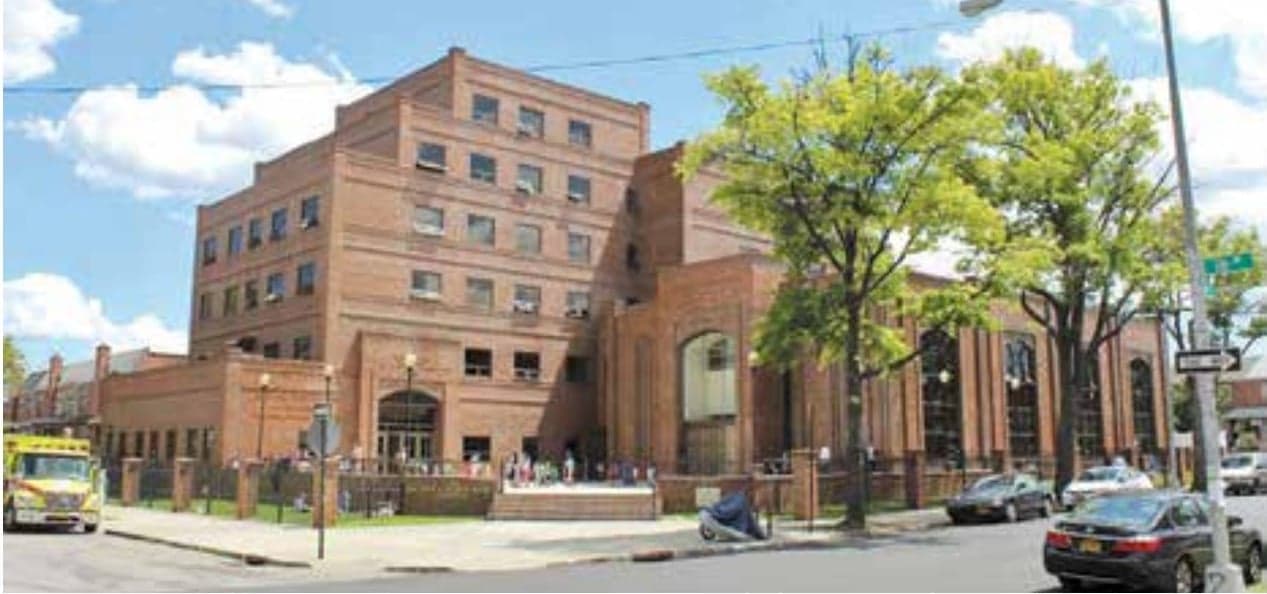
After fifty years in a cramped former movie theater, Yeshiva Chofetz Chaim builds a new home. Rav Henoch Leibowitz is still ready to give it up if daas Torah says so.
With plans well underway for Yeshiva Chofetz Chaim's year in Eretz Yisrael, Rav Henoch Leibowitz calls it off, since some people would suffer from the trip.
Buying photochromic glasses, Rebbetzin Leah Auerbach is torn: her father Rav Elyashiv avoids them on Shabbos, but her father-in-law Rav Shlomo Zalman permits them.
To get an esrog in a year of shortage, messengers promised the Vilna Gaon's reward to the seller, and the Gaon rejoiced at a mitzvah done purely out of love.
A man jokingly sells his share in Olam Haba for a ruble and then wants it back; the Netziv rules the sale is void, since the reward for mitzvos cannot be sold.
After the Seder, young Pinchas Horowitz, later the Haflaah, explains to his father why Masechta Shavuos, about oaths, is the right way to prepare for Shavuos.
Rabbi Shmuel HaLevi spread Torah across Spain and beyond; his less humble son and Granada's Jews were murdered on Shabbos, the 9th of Teves.
Offered a ready-made sukkah built into his house, Rav Mordechai Finkelman said no: he wanted to build his own sukkah every year, out of love for mitzvos.
During the 1848 cholera epidemic, Rav Yisrael Salanter went up to the bimah in Vilna on Yom Kippur and made kiddush so that his kehillah would eat.
Neighbors in Leipzig mocked Rav Avrohom Kanarek's father for sending his boys to yeshiva. That choice let them escape the Holocaust with the Mirrer Yeshiva.
In an English shul that resists change because 'Rav Unterman didn't do it,' Rabbi Rothberg builds sukkah walls of stacked chairs, and learns who did it first.
The Maharshal ruled to add 'shehasimchah bimono' to bentching at a siyum, but after something terrible happened at the first one, he withdrew his new ruling.
As a boy in Europe, Rav Henoch Leibowitz found his shul so full of people learning Torah at night that he sat on the legs of his father's shtender.
A student who learned Gemara with his father each Shabbos finished one daf, and Rav Moshe Feinstein told him to make a siyum and promised to attend himself.
The young Chofetz Chaim turned down rich dowries and married his poor step-sister Freidah for the sake of shalom bayis, and credited all he achieved to her.
A man in Provence was about to marry his father-in-law's ex-wife, with the meal already prepared. Rabbeinu Tam ruled, despite the loss, that the wedding could not go ahead.
Rabbeinu Tam lets a kohen pour water over his hands. A student challenges him, Rabbeinu Tam stays silent, and Rabbeinu Peter explains why it was allowed.
On Purim a tipsy bachur in Radin asks the Chofetz Chaim for a share in his Gan Eden, and is offered it on one condition: never speak or hear lashon hara.
A man tells the Chofetz Chaim his mind wanders in Shemoneh Esrei. The Chofetz Chaim answers with a parable: grab what you can, like the apple seller.
Asked why his first Seder was so short, Rav Henoch Leibowitz explained that the Rebbetzin had worked nonstop to make Pesach. Should he keep her up?
Told that Rav Shmuel Birenbaum called him a gadol ha’dor, Rav Henoch Leibowitz cannot take it in, and finally credits a sugya he once explained.
A neighbor shouts that this is the last year Rav Henoch Leibowitz’s s’chach leaves will fall in his yard, and he does not live to the next Sukkos.
On a Chol HaMoed trip to the zoo, Rav Chaim Kanievsky cited every animal's place in Tanach, Gemara and halacha, and soon a crowd of visitors was following him.
A father blamed his daughter's childlessness on a wedding Rav Dovid Feinstein approved; Rav Dovid had him forgive her before a beis din, and a child soon followed.
A girl doubted a fine young man because he wore a gray suit, until she learned the man in gray who visited her sick relative was Rav Dovid Feinstein.
Rav Dovid Feinstein personally showed an auditor the yeshiva's books, and the auditor later sent his daughter to him to convert, calling him the most honest man he knew.
When a baker heard on Purim that his father had died, Rav Dovid Feinstein bought the bakery for the day and ran the busy counter himself until help arrived.
Two men each claimed Rav Dovid Feinstein gave a different ruling on wearing a watch on Shabbos without an eiruv, until he explained they asked different questions.
Rav Chaim Kanievsky called his daily learning quota "chovos", debts, and when he murmured about them at his engagement, the Elyashiv family was briefly alarmed.
Rabbi Shmuel Niman locked latecomers out of his shiur, until one student climbed the outside wall to knock on his window. He let him in: just this once.
So his young son would not cry on his first days of cheder, Rav Chaim Kanievsky sat learning at the back of the classroom every day for a month.
A second grader writes to Rav Chaim Kanievsky about a puzzling word in Parshas Mikeitz. Rav Chaim knew a reply would give the boy chizuk, and answered with a smile.
The Chazon Ish shortened the Steipler's all-night search for chametz, and Rav Chaim Kanievsky taught his grandson that his grandmother's peace of mind comes first.
A long-haired man with earrings asks Rav Chaim Kanievsky for a blessing for children. Rav Chaim tells him to cut his hair, but only after Sefiras HaOmer, and a child follows.
A kollel man shrugged off the custom of avoiding the tochachah aliyah. When an inheritance pulled him from learning into business, Rav Chaim Kanievsky saw the lesson.
Rav Chaim Kanievsky told a businessman to keep wearing a hat and jacket for bentching. At his next restaurant meeting, reaching for his hat won him a fifteen-million-shekel deal.
A fundraiser needs a shidduch for his son, and Rav Chaim Kanievsky sends him to daven for a donor's daughter. Both children are soon engaged, just as Rav Chaim promised.
When a barber asks a Chofetz Chaim bachur if the rosh yeshiva is his father, Rav Henoch Leibowitz answers that the talmid is his son.
Told that a second wedding should be small, Rav Henoch Leibowitz agreed to invite only close family: hundreds of his talmidim.
After posing with one of the author’s twin girls, Rav Henoch Leibowitz insists on a picture with her sister too, so she won’t feel left out.
Asked whether the Chazon Ish skipped Birchas Ilanos, Rav Chaim Kanievsky recalls the walk when the Chazon Ish told him to make the beracha.
At Kiddush Levanah, Rav Henoch Leibowitz finds ways to greet every bachur with “shalom aleichem,” so that no talmid feels slighted.
Rather than rebuke a bachur for an inappropriate yarmulke, Rav Henoch Leibowitz hands him his own, and the bachur wears it proudly.
A bachur about to drop out hears none of Rav Henoch Leibowitz’s words, but the rosh yeshiva’s warm hug changes his mind.
After he and one bochur were the only kohanim to duchen one Yom Tov, Rav Henoch Leibowitz greeted that talmid for years with a smile and the word 'duet.'
When a bachur races to catch the man tapping the rosh yeshiva’s phone line, Rav Henoch Leibowitz and his rebbetzin stop him: approach him like a mentch.