A Minor Point
Mazel tov to all those who finished Bava Basra! It was especially monumental considering that Bava Basra is the longest mesechta in Shas, by the number of pages.
Seder Nezikin · dafim 2–113
Finished April 9, 2025 in this cycle. 30 articles, 22 stories
Mazel tov to all those who finished Bava Basra! It was especially monumental considering that Bava Basra is the longest mesechta in Shas, by the number of pages.
Note: This article discusses serious halachic and philosophical issues. It is not my intent to provide guidance to anyone in a particular situation but rather to engender discussion.
Chur occupies a significant role in the Chumash. During the war with Amalek, he, along with his uncle Aharon HaKohen, helped hold up Moshe Rabbeinu’s hands, which inspired the B’nei Yisrael to pray.
The Gemara in Megillah tells us that Memuchan, who is listed as one of Achashveirosh’s advisers, is Haman. The name Memuchan means prepared, as if to say he was prepared for punishment.
There is an interesting custom that many people observe: to add the words “V’kapparas pesha” to the Mussaf prayer on Rosh Chodesh during a leap year.
Is it permissible for an adopted boy to be called to the Torah using his adoptive father’s name? The answer may depend on whether Dovid HaMelech married two sisters. To even suggest this idea sounds outrageous.
In case you missed one of the most important news stories of the past week, I will fill you in. A UN official has declared that the world has “failed miserably” at protecting tigers in the wild, bringing to “the verge…
There is a controversy that has been around for some time, and a passage from our daf may ameliorate it somewhat. There is a mitzvah of hadlakas neiros every Friday before the onset of Shabbos.
Which is the better option: a yeshiva located in a premises with a cave, dragon, and dungeon, or a brand-new, modern building? Why would anyone choose an ancient building over a new, state-of-the-art one?
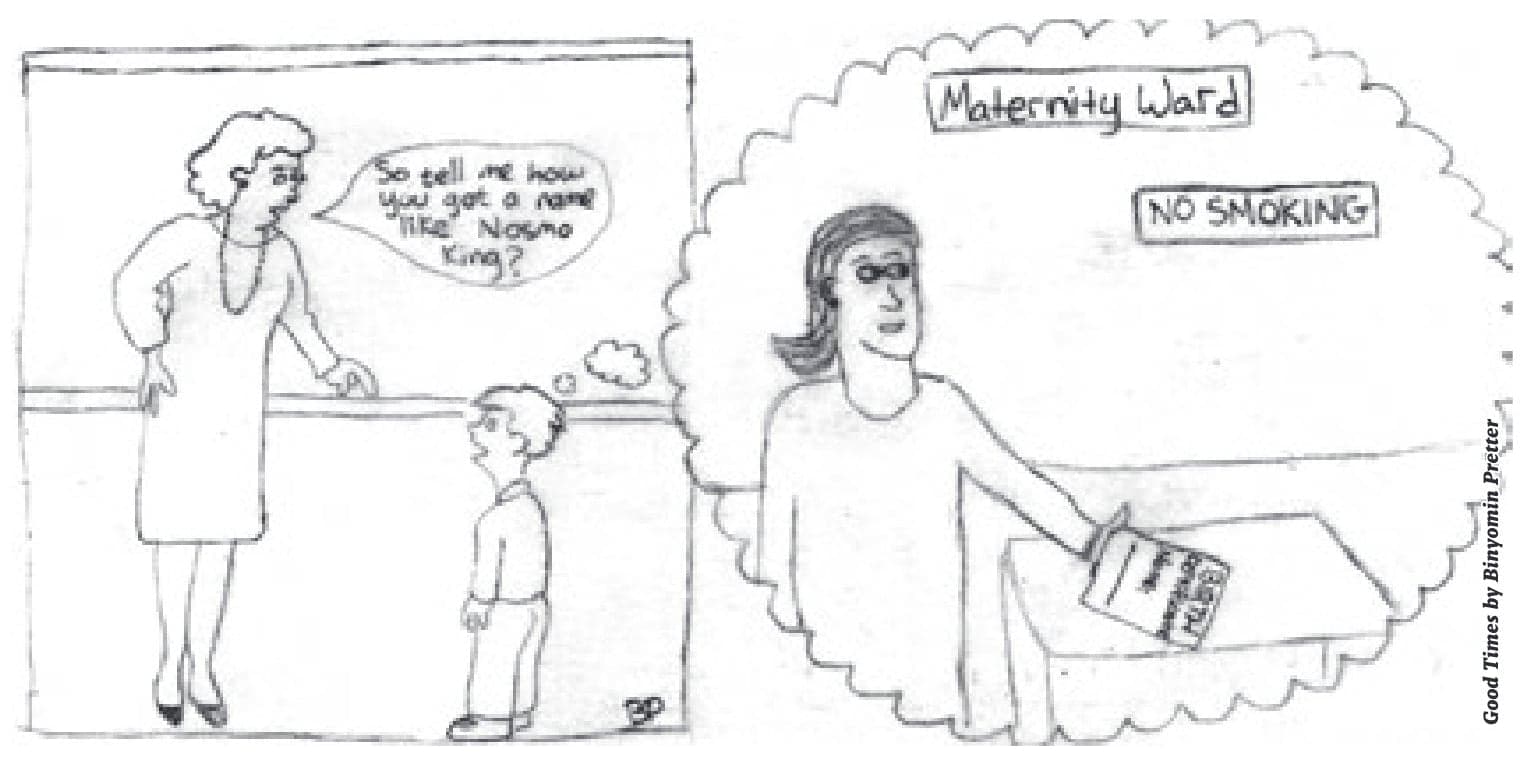
When we use the term half we don’t always refer to 50%. When someone is called a half-wit that doesn’t mean he has half of the intelligence of a regular human.
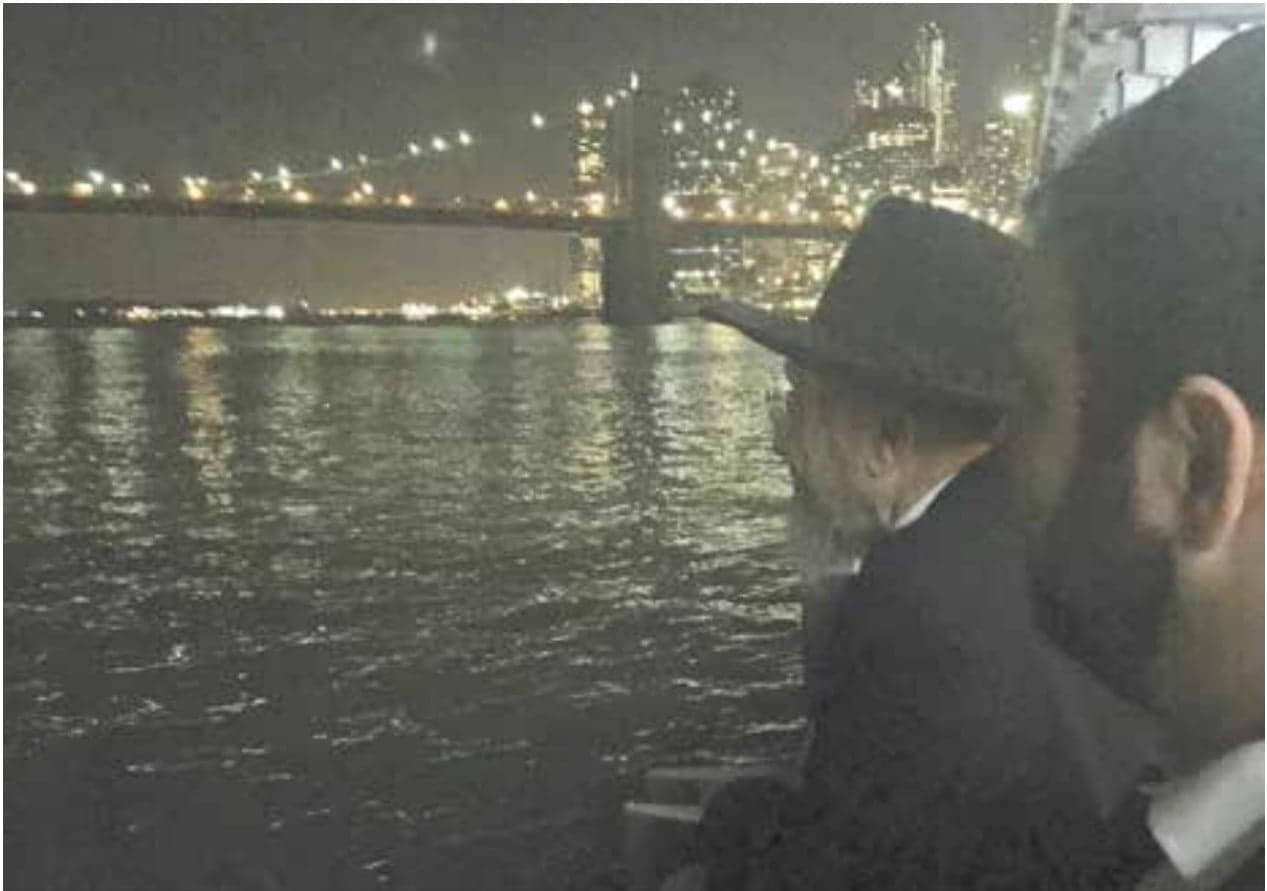
The photograph accompanying this text captures a moment in the life of Rav Dovid Feinstein, zt”l. Standing solemnly over the East River, he is not simply admiring the view but is engaged in a spiritual act.
We have just learned extensively about the subject of the death penalty in the Gemara. I wanted to provide a concise recap of many of the relevant laws, based on the Rambam.
We have just learned extensively about the subject of the death penalty in the Gemara. What follows is a concise recap of many of the relevant laws, focusing primarily on stoning based on the Rambam.
Does Romaine lettuce have anything to do with detergent, stoning, and putting on pants? Lettuce be clear: the Shulchan Aruch says they do.
There is a popular sefer titled What If? It is based on questions and stories in Rav Zilberstein’s sefarim which are organized according to the weekly parashah.
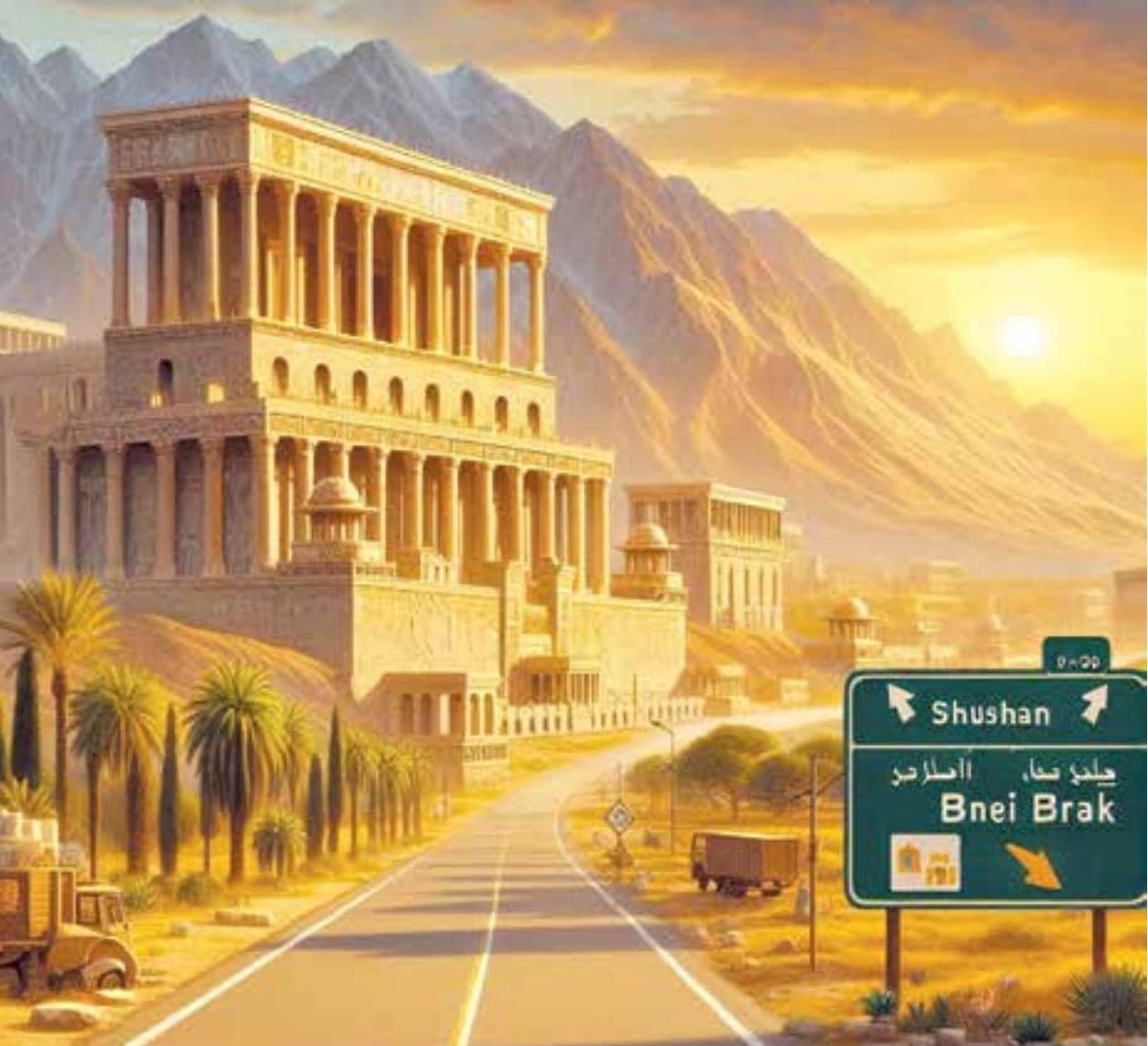
In the bustling city of Shushan, two young boys, Eli and Daniel, raced through the crowded marketplace. “I heard Father say that Haman rides through the streets today,” Eli panted, his dark curls bouncing as he ran.
Some people go all out trying to find every last siman listed in the Machzor. One year my wife told me to purchase black-eyed peas. My local supermarket was sold out of the raw beans, but I found the canned ones.
A number of years ago, the New York Post ran an article with the headline “$1 Million Parties: Have NYC bar mitzvahs gone too far?” The article quoted several examples of bar and bat mitzvah celebrations that were over…
Deep in the Alaskan wilderness, Camp Tikvah hosts a remote Pesach retreat. Families gather to celebrate, their voices echoing with joyous songs and Torah discussions.
The following story is based on a question in Chashukei Chemed. It was synthesized with a story appearing in a Hebrew weekly periodical.
It is an open question whether or not a prospective applicant for a job should dye his gray hair. On the one hand, it would give him a youthful appearance. Perhaps he would appear to be a more energetic person.
Rebbetzin Leah Auerbach, a”h, once visited a glasses store in Yerushalayim to purchase a new pair of glasses. She was considering photochromic lenses, which darken in sunlight and return to their clear state indoors.
Over the course of more than a thousand years, four separate incidents emerged that all share one striking detail. Because of this common element, various poskim have discussed them together.
“Sticks and stones will break my bones, but words . . .” Well, the adage might need a revision, according to a recent study. New research shows that when people hear or read pain-related words, such as “plaguing,”…
Following the Bar Kochva revolt, the Roman government under Hadrian’s rule issued many harsh decrees against the Jews. One decree in particular dealt with semichah.
The last perek in Sanhedrin (95a) discusses the tragic story of the destruction of the city of Nov and its kohanim. Shaul HaMelech considered Dovid HaMelech to be a traitor and therefore deserving of the death penalty.
Is the correct number three, as stated in the Gemara in Sanhedrin, or four, as stated in the Midrash? The Chofetz Chaim suggests that neither is entirely accurate.
While ten of Haman’s sons met their fate by hanging – a real “family tree” if there ever was one – the Gemara in Megilla states that he actually had many more sons, maybe even over 200!
It is customary to slice the challah on Shabbos before reciting Ha’motzi. The source of this halacha comes from a wicked king. Discussing the origins of this halacha never grows stale.
Rebbe Abba says that on Shabbos, one is obligated to recite ha’motzi on two loaves of bread (Shabbos 117b). This is to commemorate the double portion of manna that fell on Friday.
The Vilna Gaon tells the author of Teshuvos Shmuel that a minor's kiddushin is meaningless, and one hint about Maseches Parah settles the scholars' challenge.
Seeing Chur lying dead, Aharon reasons that if the people kill him too they will never be forgiven, so he lets them make the Golden Calf instead.
Chur stands up to the people at the Golden Calf and is killed. Aharon HaKohen, fearing they would add a second murder, chooses to take part instead.
A mother phones Air Force chaplain Rabbi Binyamin Samson on Shabbos: her son will be baptized. The rabbi talks him into learning Judaism first, and he stays.
The angels ask Hashem to execute Vashti, recalling Klal Yisrael’s korbanos hidden in the names of Achashveirosh’s seven advisers, from lambs to the Shulchan.
After his father Achaz's idolatry, King Chizkiyahu leads a teshuvah movement and adds Adar Sheini so the people can purify themselves for the Korban Pesach.
After slaying Golias, Dovid tries to marry Shaul's daughters Meirav and then Michal by forgiving a debt, and Shaul twice disputes whether the kiddushin worked.
With plans well underway for Yeshiva Chofetz Chaim's year in Eretz Yisrael, Rav Henoch Leibowitz calls it off, since some people would suffer from the trip.
After fifty years in a cramped former movie theater, Yeshiva Chofetz Chaim builds a new home. Rav Henoch Leibowitz is still ready to give it up if daas Torah says so.
When Sancheirev besieges Yerushalayim, Chizkiyahu prays and 185,000 officers die by fire within, their bodies spared as a reward for Shem honoring Noach.
Yoav pursues Sheva ben Bichri, who hides in a city and puts all its people in danger, until the townspeople save themselves by killing him.
Buying photochromic glasses, Rebbetzin Leah Auerbach is torn: her father Rav Elyashiv avoids them on Shabbos, but her father-in-law Rav Shlomo Zalman permits them.
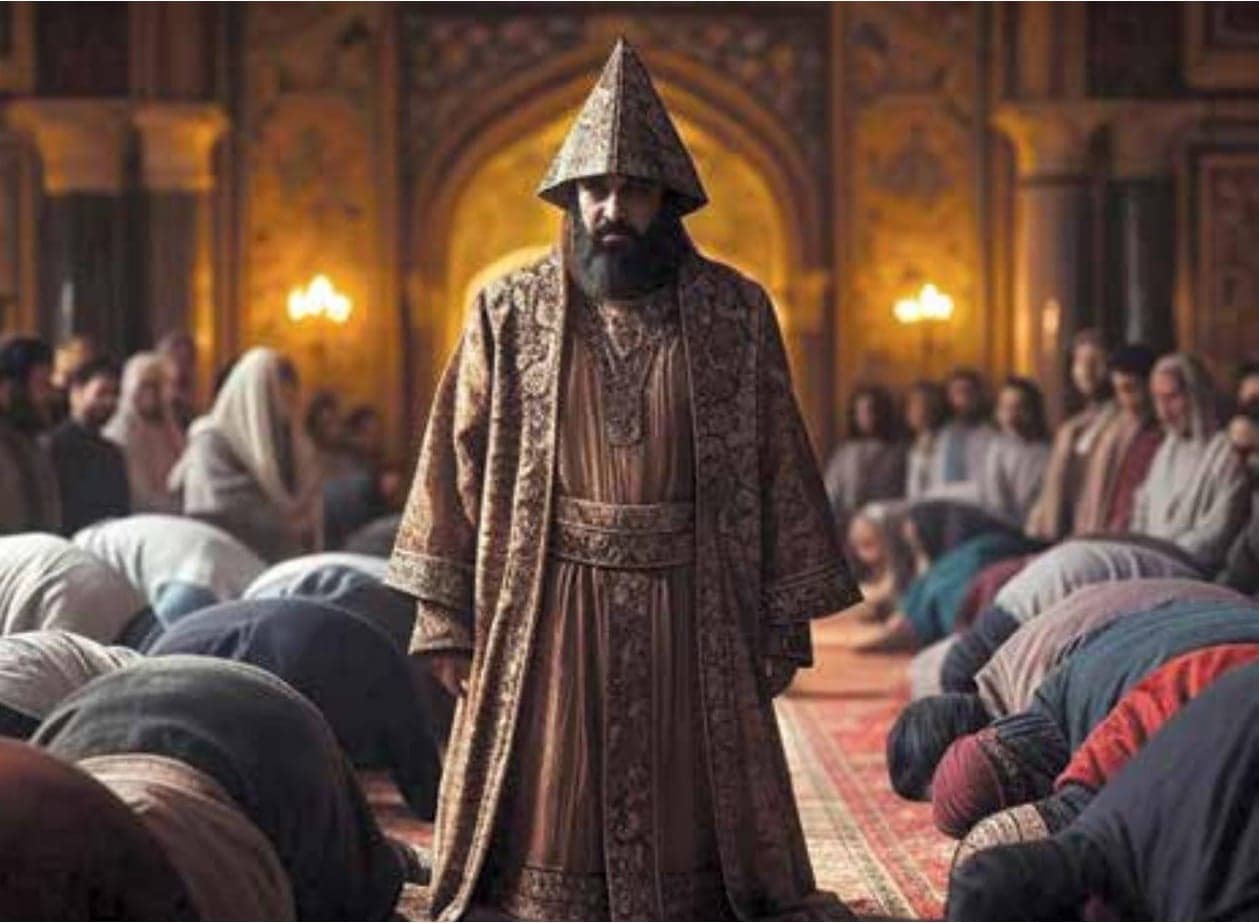
When Zimri sins publicly with a Moabite woman, Pinchas kills him with a hidden spear; Zimri never calls for help, and a plague stops his tribe from killing Pinchas.
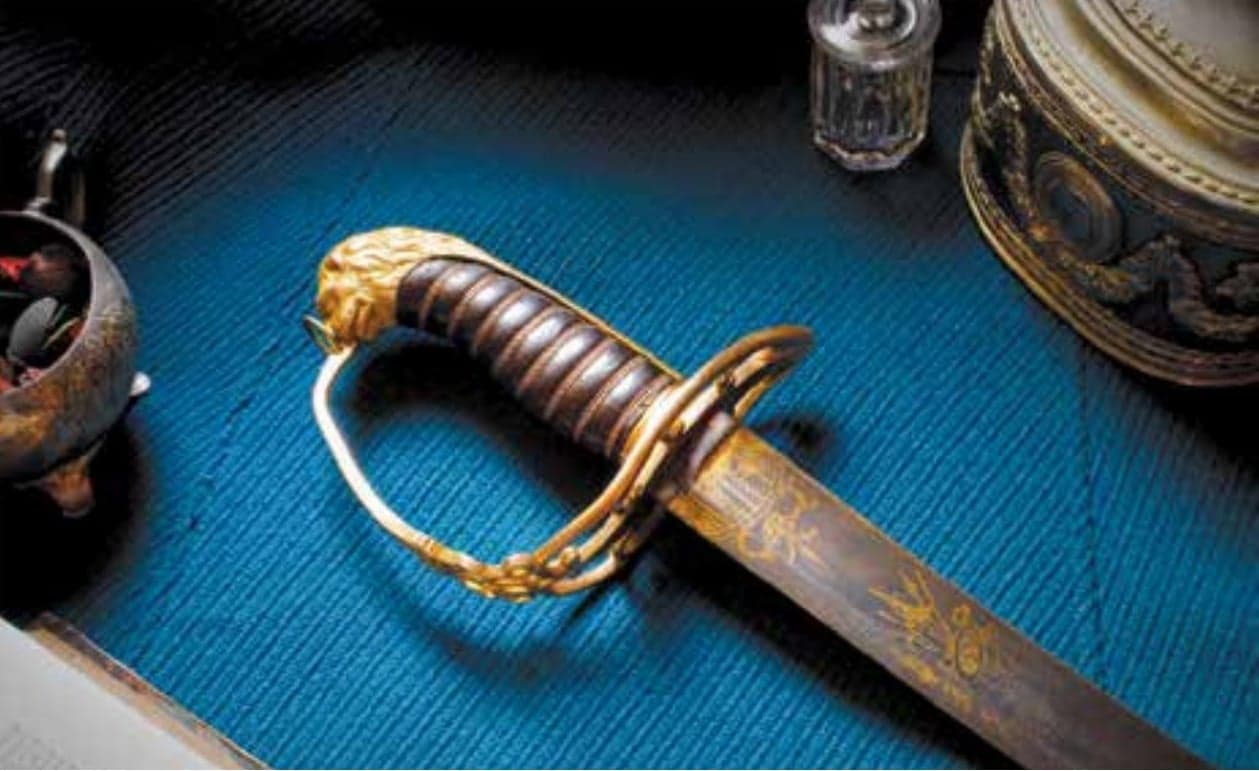
When Zimri and Kozbi publicly desecrate Hashem's name and Zimri questions Moshe, Pinchas consults Moshe, takes his sword from outside the Beis Midrash and kills them.
Doeg questions whether Dovid, a descendant of Rus the Moabite, may even join the Jewish people, until Amasa ben Yeter plants a sword in the Beis Midrash and declares the law.
Sancheirev's vast army besieges Yerushalayim, but an angel strikes 185,000 soldiers in the night, a merit of the Torah study Chizkiyahu enforced with a sword.
Defying a Roman death decree, Rabbi Yehudah ben Bava ordains the next generation's sages between two cities, then stays behind so they can flee the soldiers.
Achimelech feeds the fleeing Dovid, Doeg informs, and Shaul wipes out the city of Nov. Hashem then holds Dovid accountable and offers him a choice of punishments.
Shaul's general Avner switches sides, and Dovid accepts him if he brings back Michal, whom Shaul had given to Palti ben Layish. The mission leads to Avner's murder.
Yeshayahu tells the gravely ill Chizkiyahu he will die for not having children; Chizkiyahu prays anyway, gains fifteen years, and the sun goes back ten hours.
When Merodach-Baladan's letter names Hashem last, his scribe Nevuchadnezzar runs to fix it, and the angel Gavriel stops him before his reward grows too great.
After Rav Ashi calls the wicked kings "our friends," King Menashe appears in his dream, stumps him on where to cut the bread, and explains his idolatry.