Keeping the Faith
As Houthi rebels continue targeting commercial vessels in the Red Sea and surrounding waters, some ships have resorted to an unusual tactic: claiming to be Muslim to avoid being attacked.
Life and Society
Relations with non-Jews, the Noahide laws and converts.
As Houthi rebels continue targeting commercial vessels in the Red Sea and surrounding waters, some ships have resorted to an unusual tactic: claiming to be Muslim to avoid being attacked.
The Gemara in Avodah Zara (2a-b) opens with a scene so grand—a story that has not yet occurred but waits just beyond the curtain of redemption.
While ten of Haman’s sons met their fate by hanging – a real “family tree” if there ever was one – the Gemara in Megilla states that he actually had many more sons, maybe even over 200!
Over the course of more than a thousand years, four separate incidents emerged that all share one striking detail. Because of this common element, various poskim have discussed them together.
Chur occupies a significant role in the Chumash. During the war with Amalek, he, along with his uncle Aharon HaKohen, helped hold up Moshe Rabbeinu’s hands, which inspired the B’nei Yisrael to pray.
The Gemara in Bava Basra 91a provides material for some good trivia questions. What was the name of Avraham Avinu’s mother? What was the name of Dovid HaMelech’s mother?
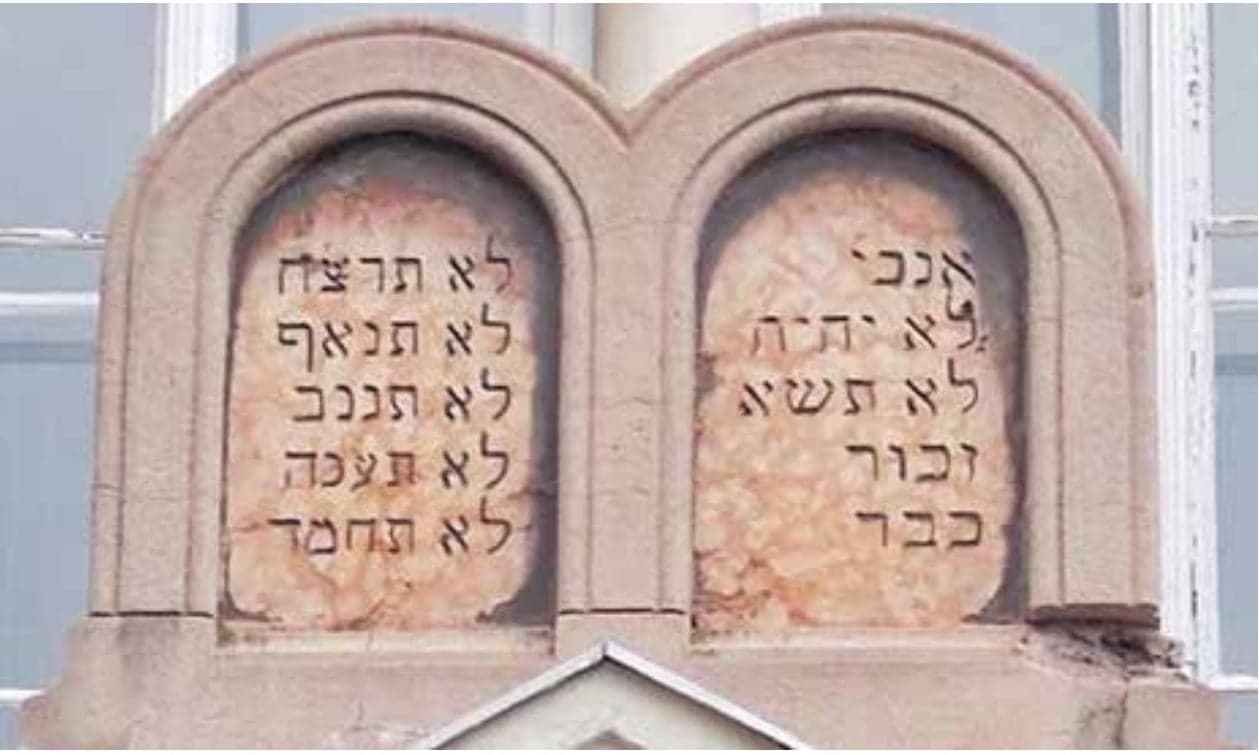
In July 2001, Chief Justice Roy Moore of the Alabama Supreme Court had a massive granite monument – it weighed more than two tons – of the Ten Commandments placed in the Alabama state judicial building.
Often, the Gemara faces a halachic question that it can’t resolve. In that situation, the Gemara declares, “Tayku!” The simplest explanation of that word is that the question should stand.
The Gemara recounts a story where the government sent two officers to a yeshiva to study Torah. The government wanted to find out if there was anything objectionable in the Torah.
Wichita Falls, Texas, is home to Sheppard Air Force Base. A Strategic Air Command Operational Wing of B-52 bombers was located there in the ‘60s. The 494th Bomb Wing was located there until 1965.
True events and several recent passages in Nazir inspire the following story. Boruch Cohen and Shimon Levi board a plane together somewhere in the United States.
A scholar was relating a ruling about converts. To buttress his position, he declared that Rebbe Akiva issued a ruling about this very issue.
The very first Mishna in Chagigah discusses those who are obligated to make the thrice-yearly pilgrimage to the Beis Hamikdash. The Mishna clearly states that the rule is that everyone is obligated except those…
The Gemara in Succah (5a) is attempting to find a source that the minimum height of a succah is ten tefachim (30-40 inches). Tosfos opines that the same source will apply to walls that enclose a domain for the purposes…
There is a well-known and widely used technique to free oneself from violating the prohibition of owning chametz on Pesach — selling one’s chametz to a gentile. Famously, the Vilna Gaon was against this practice.
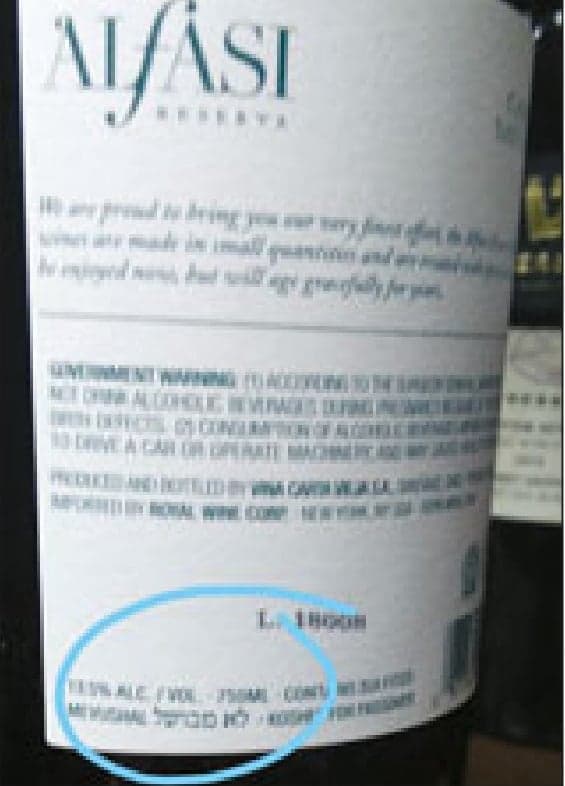
A kosher bottle of wine is being sold with a label that states in Hebrew “Lo Mevushal.” However, in English it states “Mevushal” (see accompanying photo). How can wine be both mevushal and non-mevushal simultaneously?
An astute observer might have noticed that chassidishe wedding halls often do not have mirrors in the men’s restrooms. The source for this practice can be found in Avodah Zara.
If you enjoy halachah riddles, this article is for you. 1. There is a general rule that if melachah on Shabbos is done in an abnormal manner, there is no transgression of a Torah injunction; if one violates a Shabbos…
The Gemara in Avodah Zara (2a–b) relates a fascinating story, albeit one that hasn’t happened yet. It will take place sometime after Mashiach comes.
There are some perplexing questions on the Megillah which perhaps may be explained by putting together various passages of Gemara. (1) Why did Esther invite Haman to the party with Achashveirosh?
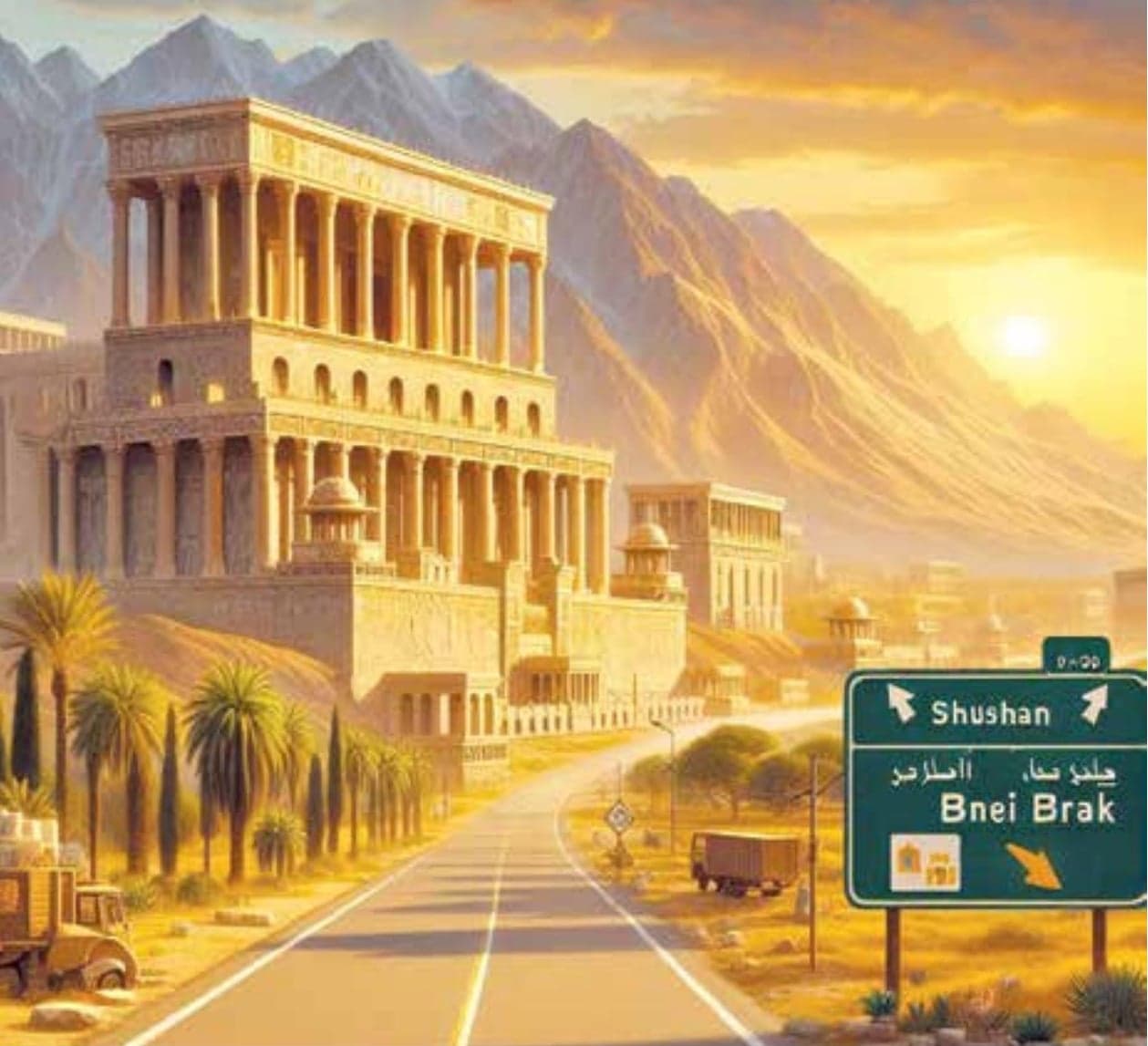
The Gemara (Gittin 57b) says that Na’aman (commander of the armies of Aram) became a ger toshav; Nevuzaradan became a ger tzedek; Haman’s descendants learned Torah in Bnei Brak; Sisera’s descendants taught children in…
Everyday conversation is replete with redundancy. Two of the most common offenses are the use of the phrases “ATM machine” and “PIN number.” When the acronyms are spelled out, the phrases become “automated teller…
It is generally assumed that commerce is forbidden on Shabbos and yom tov due to a rabbinic decree. If people would engage in regular buying and selling on yom tov, they might mistakenly write down details of their…
In the summer months, I often arrive home from shul after making an early Shabbos and find someone dressed in Shabbos clothing looking around for a Jew who hasn’t accepted Shabbos yet.
I remember one chol ha’moed Pesach going with a rosh yeshiva and his family to a Mets game. The rosh yeshiva had a son in my class and he invited me to come along.
In the future, Hashem offers reward to all who busied themselves with Torah, and Rome claims its markets, bathhouses and gold were all for Israel's learning.
Hunted by the Romans after freeing his sister-in-law, Rabbi Meir dips one finger in non-kosher food and sucks another, so his pursuers decide he can't be the famous rabbi.
Avleit, a gentile scholar, is careful not to touch the bottle so that Shmuel can drink, but Shmuel tells him it makes no difference: the wine is cooked.
Avleit, a gentile scholar, avoids touching Shmuel's wine so it won't be forbidden, but Shmuel tells him not to worry: the wine is cooked, mevushal.
The government sends two officers to study the Torah in a yeshiva. They find one law objectionable, but out of gratitude for their warm welcome they keep it secret.
A non-Jew brags to Rabbi Yehudah ben Besaira that he eats the Korban Pesach every year. The sage slyly tells him to ask for the fat tail, and he is exposed.
A mother phones Air Force chaplain Rabbi Binyamin Samson on Shabbos: her son will be baptized. The rabbi talks him into learning Judaism first, and he stays.
When Merodach-Baladan's letter names Hashem last, his scribe Nevuchadnezzar runs to fix it, and the angel Gavriel stops him before his reward grows too great.
Rabbah bar Avuhah finds Eliyahu HaNavi standing in a non-Jewish cemetery and asks how a kohen may be there; Eliyahu cites Rabbi Shimon bar Yochai.
Rav Dovid Feinstein personally showed an auditor the yeshiva's books, and the auditor later sent his daughter to him to convert, calling him the most honest man he knew.