A Wedding Menu to Remember
On a crisp, torch-lit night in eleventh-century Baghdad, the air carried more than the usual scent of roasted almonds, cardamom, and the damp clay of the Tigris. It carried the palpable weight of a changing era.
Life and Society
Events and eras of Jewish history connected to the daf.
On a crisp, torch-lit night in eleventh-century Baghdad, the air carried more than the usual scent of roasted almonds, cardamom, and the damp clay of the Tigris. It carried the palpable weight of a changing era.
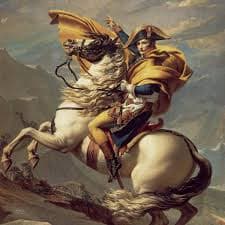
As the French army retreated from the frozen outskirts of Moscow in 1812, Napoleon Bonaparte, the man who had once rearranged the map of Europe, was reduced to a fugitive.
The Gemara in Avodah Zara (2a-b) opens with a scene so grand—a story that has not yet occurred but waits just beyond the curtain of redemption.
In 1848, a cholera epidemic swept through Eastern Europe, including the Jewish communities of Lithuania. The disease was swift and deadly, and its effects were especially devastating in crowded and impoverished areas.
Hillel says, “He who seeks a name loses it. He who does not increase decreases” (Pirkei Avos 1:13). The first half of Hillel’s statement is easily explained by a well-known dictum in Eiruvin, “Whoever runs after glory…
Wichita Falls, Texas, is home to Sheppard Air Force Base. A Strategic Air Command Operational Wing of B-52 bombers was located there in the ‘60s. The 494th Bomb Wing was located there until 1965.
HaRav HaGaon Avrohom Kanarek, zt”l, of Yeshivas Chofetz Chaim in Yerushalayim taught Torah for many years in a humble and unassuming way. He shied away from kavod.
Daf Yomi learners relish when the daf that they learn relates to their daily lives, but that is somewhat difficult with this particular tractate, as nezirim seem hard to find.
Rav Shlomo Halberstam, zt”l, the Bobover Rebbe, was instrumental in saving many lives during the Holocaust. The Bobover Rebbe borrowed whatever money he could to secure visas and travel documents for would-be victims.
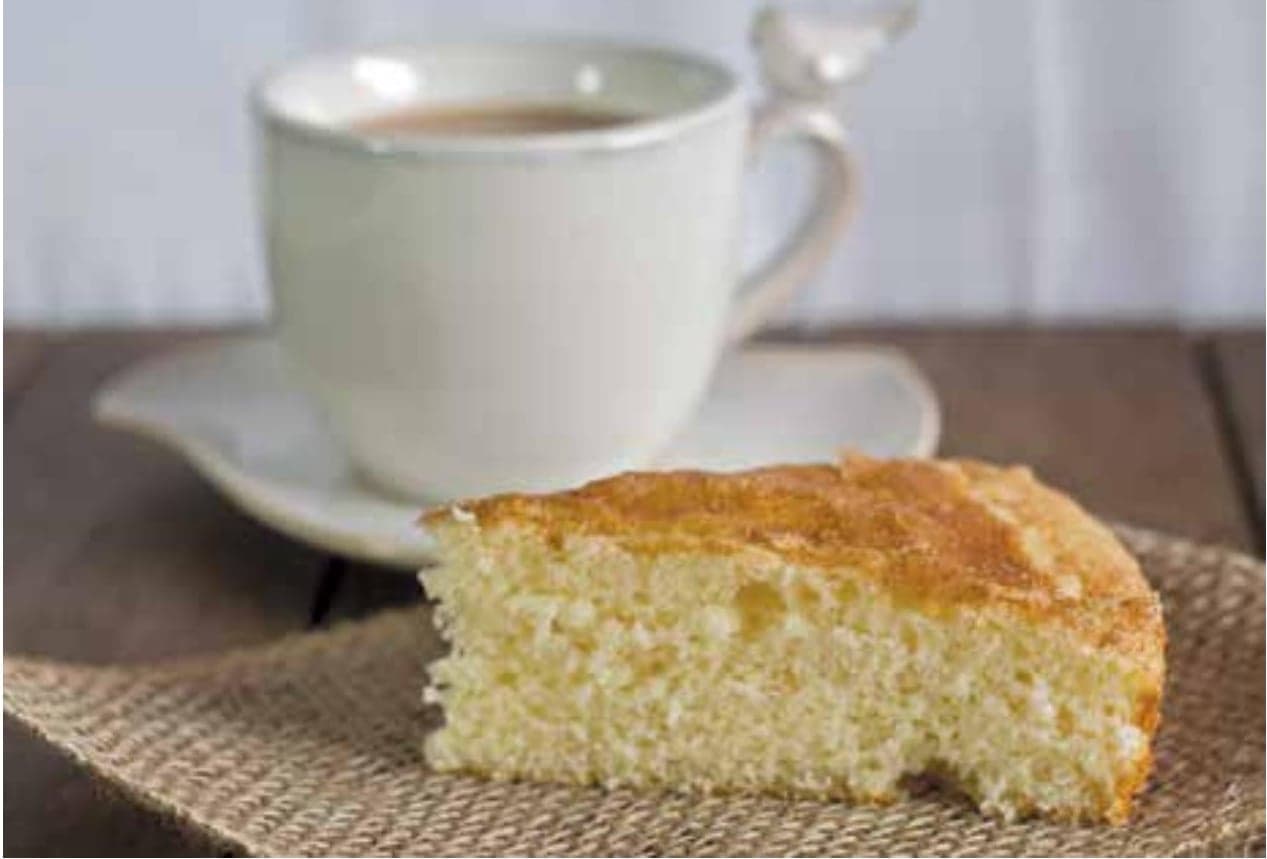
After Shacharis in shul, some have the custom to put out “tikkun”: liquor, herring, and cake for breakfast, in memory of a loved one. It is always fascinating to watch people drinking a l’chaim on an empty stomach.
It’s time to dust off Mesechta Rosh Hashana. The Daf will be finishing with Mesechta Beitza shortly. Someone studying the Daf with an Artscroll Shas will find nothing amiss.
Some may know of the latest food craze, hot cocoa bombs. There is something people find comforting about dropping these bombs in hot milk, watching them “explode,” thereby releasing their hot cocoa mix and marshmallows.
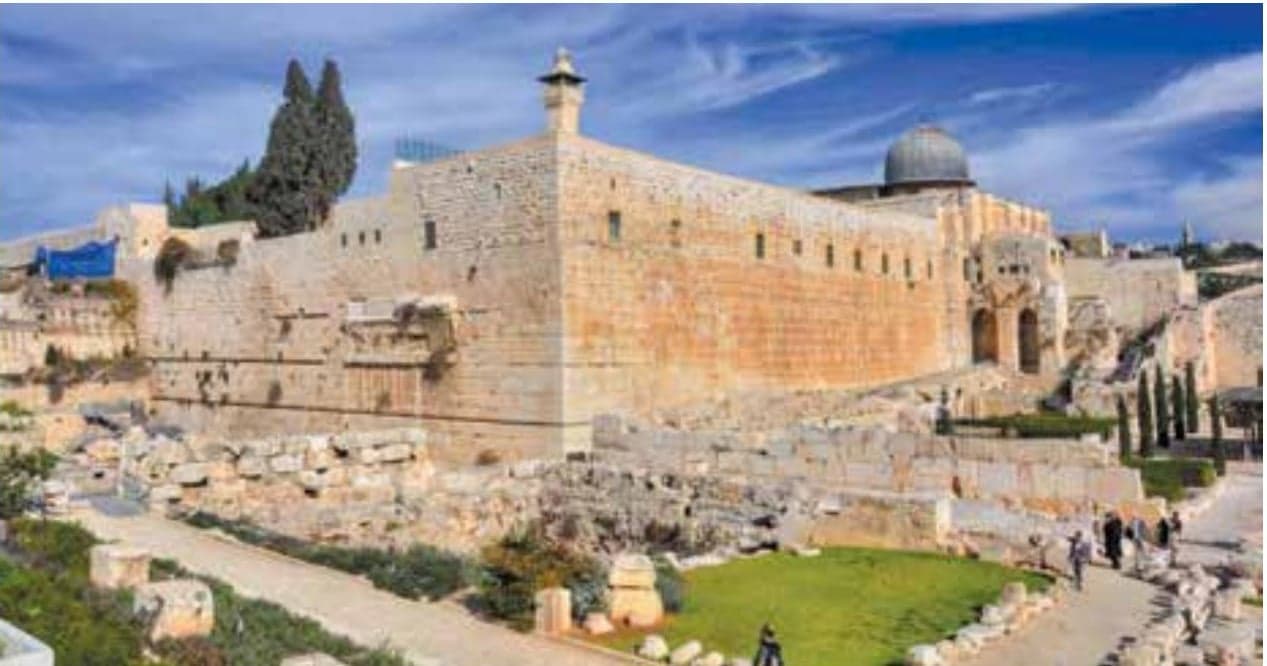
If you found an object from the 1300s it would be pretty interesting. Still, in Israel, a land full of archeological marvels, 700 years is not a long time.
Now that Chanukah is over, we turn our attention to the somber day of Asarah B’Teves, a community-wide fast. Nevuchadnezar laid siege to Jerusalem on the tenth of Teves.
One particularly moving part of the Yom Kippur Mussaf service is the story of the Ten Martyrs. Ten great tzaddikim were tragically killed by the Roman government, and their deaths serve as atonement for Klal Yisrael.
The Gemara in Avodah Zara (2a–b) relates a fascinating story, albeit one that hasn’t happened yet. It will take place sometime after Mashiach comes.
The Ancient Greek culture was focused on the human body. Someone remarked that on Chanukah we eat latkes and doughnuts fried in oil to ensure that our bodies do not become worthy of worship!
Following the Bar Kochva revolt, the Roman government under Hadrian’s rule issued many harsh decrees against the Jews. One decree in particular dealt with semichah.
In this column, we previously discussed Rabbah Bar Bar Chana’s workers who broke the barrels of wine they were hired to transport (Bava Metzia 83a).
The last mishnah in Maseches Taanis says that the most joyous holidays of the Jewish calendar were Tu B’Av and Yom Kippur. Yom Kippur was understandably a holiday because it is the day that Hashem forgives Klal Yisrael…
Men of Shevet Ephraim leave Egypt thirty years before the redemption and fall to the Philistines; their bones are later revived in Yechezkel’s vision.
When the Vilna Shas challenged the Slavuta printers' rights, Rabbi Akiva Eiger ruled their exclusivity had expired and sharply rebuked those who doubted him.
The copper snake Moshe made to heal the Bnei Yisrael lasted 700 years until people worshipped it, and King Chizkiyahu destroyed what his righteous ancestors had left standing.
The Bobover Rebbe borrowed to buy visas that saved lives in the Holocaust. When a lender demanded full repayment after the war, Rav Moshe Feinstein ruled on the case.
King Ptolemy locks 72 sages in separate rooms and orders each to translate the Torah into Greek. Miraculously, all make the very same changes.
During the Hasmonean civil war, the besiegers send a pig up the wall in place of the daily offering's sheep; the land quakes and the Sages curse pig-raising.
Rabbi Shmuel HaLevi spread Torah across Spain and beyond; his less humble son and Granada's Jews were murdered on Shabbos, the 9th of Teves.
Neighbors in Leipzig mocked Rav Avrohom Kanarek's father for sending his boys to yeshiva. That choice let them escape the Holocaust with the Mirrer Yeshiva.
Hadrian left the slain of Beitar unburied for years; when burial was finally allowed on Tu B'Av, the bodies had miraculously not decayed.
The wicked King Menashe, Chizkiya's son, brands his grandfather Yeshaya HaNavi a false prophet over the fifteen added years, and puts him to death.