A Time for Torah
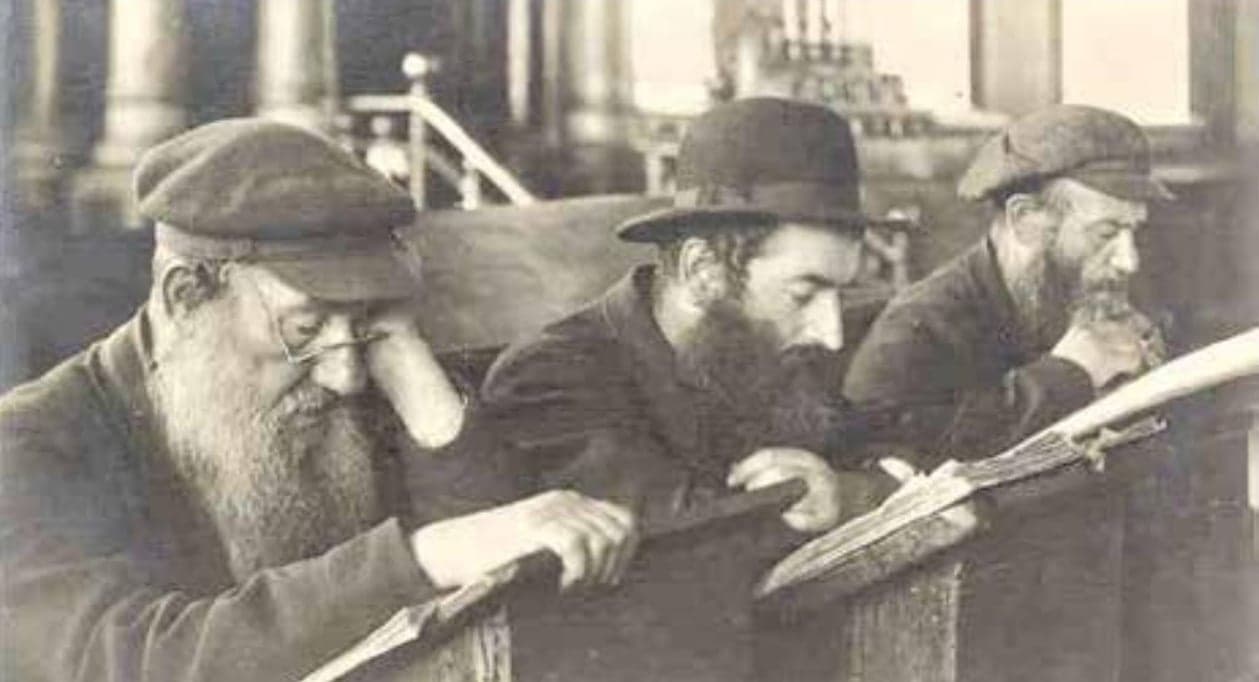
Hillel says, “He who seeks a name loses it. He who does not increase decreases” (Pirkei Avos 1:13). The first half of Hillel’s statement is easily explained by a well-known dictum in Eiruvin, “Whoever runs after glory, glory runs away from him.” But what is the meaning behind the cryptic second half of Hillel’s statement?
The commentators offer various explanations. In earlier times, labor was typically confined to the daytime. When the nights started to become longer around Tu B’Av, laborers had more free time. Since sunset was earlier, workers got off earlier. Rashi says that is the meaning behind Hillel’s words. Anyone who doesn’t increase his Torah study after Tu B’Av will physically decrease. He will suffer as a result.
The Minchas Elazar (Divrei Torah Vol 8, 31) rallies the reader to not merely learn Torah superficially but to use all his cognitive skills in understanding Torah. The Navi (Yehoshua 5:13–14), as explained by the Gemara in Megillah (3a), tells us of a meeting between Yehoshua and an angel. An angel confronted Yehoshua: “Yesterday, you neglected to bring the afternoon korban tamid, and tonight, you have neglected the study of Torah.” Yehoshua asked him, “For which sin did you specifically come to rebuke me?” The angel answered, “I came now.” The angel was telling him that the primary purpose of his mission was to rebuke Yehoshua and the people for the sin they were committing at that time: failing to study today.