Keeping the Faith
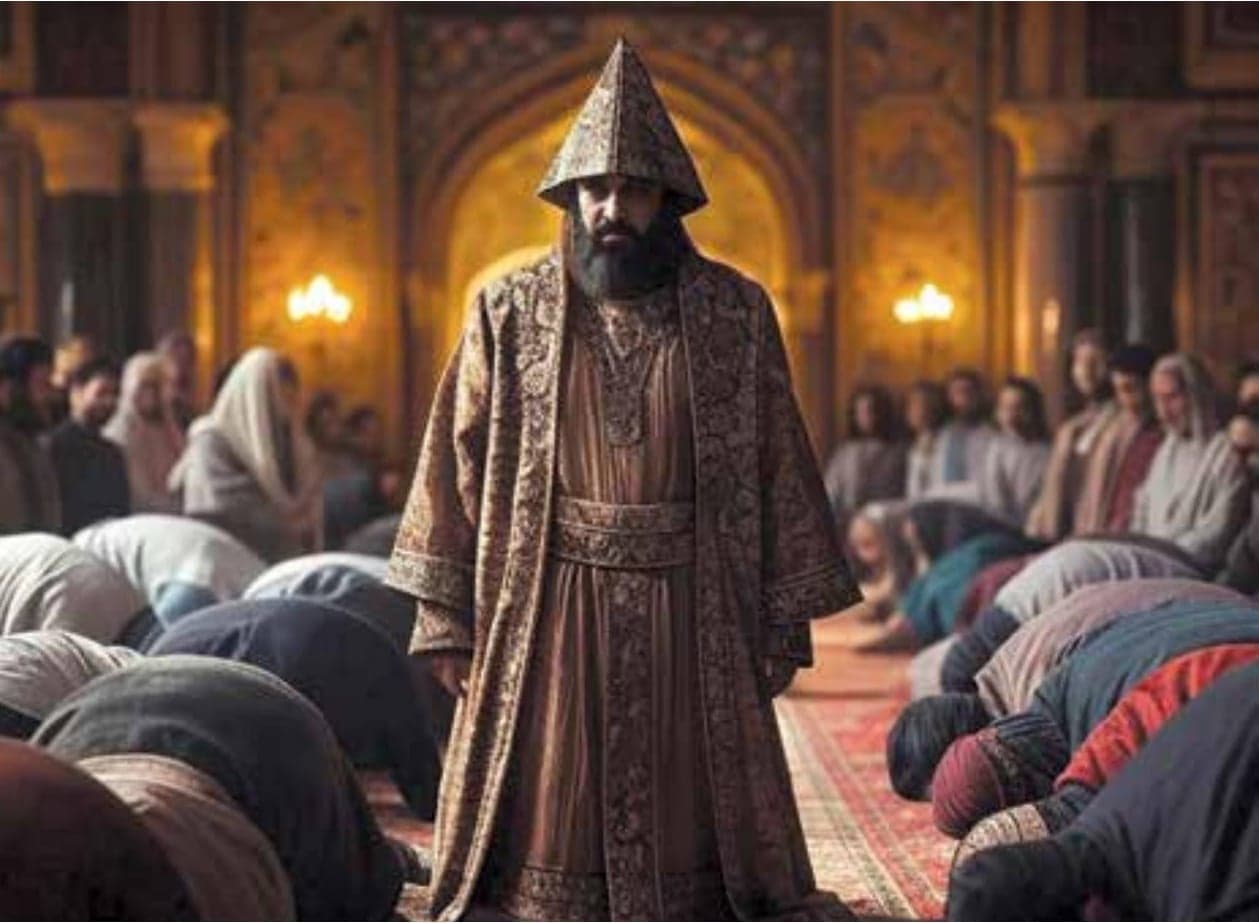
As Houthi rebels continue targeting commercial vessels in the Red Sea and surrounding waters, some ships have resorted to an unusual tactic: claiming to be Muslim to avoid being attacked.
Middos and Mussar
Sanctifying Hashem's Name, mesiras nefesh, and avoiding chillul Hashem.
As Houthi rebels continue targeting commercial vessels in the Red Sea and surrounding waters, some ships have resorted to an unusual tactic: claiming to be Muslim to avoid being attacked.
Over the course of more than a thousand years, four separate incidents emerged that all share one striking detail. Because of this common element, various poskim have discussed them together.
In the bustling city of Shushan, two young boys, Eli and Daniel, raced through the crowded marketplace. “I heard Father say that Haman rides through the streets today,” Eli panted, his dark curls bouncing as he ran.
Chur occupies a significant role in the Chumash. During the war with Amalek, he, along with his uncle Aharon HaKohen, helped hold up Moshe Rabbeinu’s hands, which inspired the B’nei Yisrael to pray.
Signatures, those seemingly simple scrawls that mark our identity on documents, can reveal a surprising amount about our personalities.
Yosef, the son of Rebbe Yehoshua, was sick and temporarily expired (Bava Basra 10b). During that brief lapse, he was given a glimpse of the World to Come.
Hillel says, “He who seeks a name loses it. He who does not increase decreases” (Pirkei Avos 1:13). The first half of Hillel’s statement is easily explained by a well-known dictum in Eiruvin, “Whoever runs after glory…
The Gemara recounts a story where the government sent two officers to a yeshiva to study Torah. The government wanted to find out if there was anything objectionable in the Torah.
The Gemara (Bava Kama 61b) expounds a story recorded in Shmuel and Divrei Hayamim. Dovid HaMelech was fighting the Philistines. A halachic question arose whether his army was permitted to destroy an individual’s…
It says in the Torah, “You shall love your neighbor as yourself.” The Talmud (Kesubos 37b) has a very peculiar application of this verse. The Talmud discusses the proper manner of a court-mandated execution.
The Sifrei says that Bnei Yisrael brought the Korban Pesach only once during their 40-year sojourn in the desert. This Sifrei says further that this reflects badly on Klal Yisrael.
One Thursday night, I was shopping at a supermarket. That store is open until midnight on Thursday nights, which is perfect for people who wait until the last minute to do their Shabbos shopping.
One particularly moving part of the Yom Kippur Mussaf service is the story of the Ten Martyrs. Ten great tzaddikim were tragically killed by the Roman government, and their deaths serve as atonement for Klal Yisrael.
Every Yom Kippur, Jews all over the world recite Viduy, the confession. Some of the sins listed may be familiar to the person reciting them, and those certainly deserve mention.
Following the Bar Kochva revolt, the Roman government under Hadrian’s rule issued many harsh decrees against the Jews. One decree in particular dealt with semichah.
There are some perplexing questions on the Megillah which perhaps may be explained by putting together various passages of Gemara. (1) Why did Esther invite Haman to the party with Achashveirosh?
The Gemara (Gittin 57b) says that Na’aman (commander of the armies of Aram) became a ger toshav; Nevuzaradan became a ger tzedek; Haman’s descendants learned Torah in Bnei Brak; Sisera’s descendants taught children in…
Rav Yitzchak Zilberstein discusses an interesting incident in his sefer Chashukei Chemed on Yoma (86b). There was an apartment building in Eretz Yisrael with 16 units. Quite possibly, the building lacked an elevator.
Shimon ben Azai declared that he found a scroll in Jerusalem that contained a historical fact not otherwise recorded in the Prophets.
Carbonite is a company that provides online backup for personal and business computers. In 2009, they lost some of their customers’ data, as a result of what they claim was defective hardware.
Rome sentences Rabbi Chanina ben Teradyon and his wife to death and his daughter to disgrace. The Gemara explains each one's fate and his wife's acceptance of it.
Hunted by the Romans after freeing his sister-in-law, Rabbi Meir dips one finger in non-kosher food and sucks another, so his pursuers decide he can't be the famous rabbi.
When Trajan blames the Jews for his daughter's murder, the brothers Luleyanus and Pappas falsely confess, giving their lives to save the community.
Caught teaching Torah against a Roman decree, Rabbi Akiva tells Pappos ben Yehudah of a fox inviting fish onto land: a Jew without Torah is like a fish out of water.
Rav Moshe Sherer could save a Jew by endorsing a Senate candidate opposed to Jewish values. Rav Yaakov Kamenetzky rules pikuach nefesh does not permit chillul Hashem.
Three warriors risk their lives crossing enemy lines to bring Dovid HaMelech the Sanhedrin's rulings, and he refuses to credit the answers to them.
Facing a choice of conversion or death, the Baalei Tosfos spent their last night writing the two long Tosfos on Bava Kamma 77a, a tradition from the Bnei Yissaschar.
After the Romans kill Rabbi Akiva, Eliyahu HaNavi buries him. Asked how a kohen may do so, he answers that tzaddikim do not transmit tumah even after death.
When a powerful noblewoman tries to entice him, Rabbi Tzadok climbs into her lit oven, teaching her how severe the sin is, and she leaves him alone.
Chur stands up to the people at the Golden Calf and is killed. Aharon HaKohen, fearing they would add a second murder, chooses to take part instead.
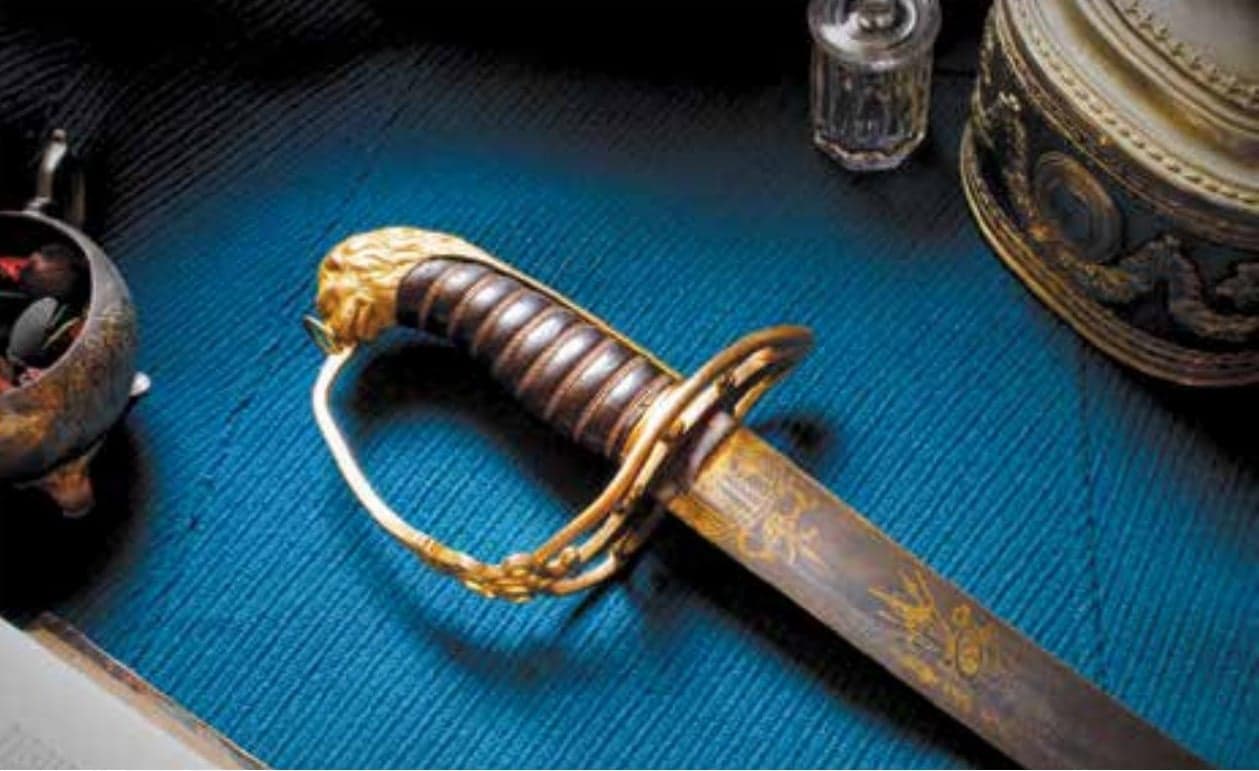
When Zimri and Kozbi publicly desecrate Hashem's name and Zimri questions Moshe, Pinchas consults Moshe, takes his sword from outside the Beis Midrash and kills them.
Defying a Roman death decree, Rabbi Yehudah ben Bava ordains the next generation's sages between two cities, then stays behind so they can flee the soldiers.
Sent by the Romans to loot the Beis HaMikdash, Yosef Meshisa brings out the Menorah, then refuses to go back in and dies al kiddush Hashem.