It’s Never Too Late
My Rosh HaYeshiva, zt”l, would often quote a powerful Gemara in Menachos, sharing it in a way that left a lasting impression. The following is a partial paraphrase based on various commentaries.
Middos and Mussar
Loving one’s fellow Jew, “v’ahavta l’reiacha kamocha”.
My Rosh HaYeshiva, zt”l, would often quote a powerful Gemara in Menachos, sharing it in a way that left a lasting impression. The following is a partial paraphrase based on various commentaries.
We have just learned extensively about the subject of the death penalty in the Gemara. What follows is a concise recap of many of the relevant laws, focusing primarily on stoning based on the Rambam.
The Gemara in Nedarim expounds the earliest recorded example of hataras nedarim. Hashem told Moshe Rabbeinu that it was safe for him to return to Egypt “because the men who seek your life have died.” The Gemara explains…
It says in the Torah, “You shall love your neighbor as yourself.” The Talmud (Kesubos 37b) has a very peculiar application of this verse. The Talmud discusses the proper manner of a court-mandated execution.
Every Yom Kippur, Jews all over the world recite Viduy, the confession. Some of the sins listed may be familiar to the person reciting them, and those certainly deserve mention.
I recall a conversation I once heard when I was a resident of a dormitory. One fellow tossed a wrapper onto the floor, whereupon his friend chastised him about the unsanitary conditions of his room.
Shimon ben Azai declared that he found a scroll in Jerusalem that contained a historical fact not otherwise recorded in the Prophets.
In Parashas Korach, Moshe Rabbeinu announced that the events that were about to unfold would establish clearly whether or not Korach was right in his challenge.
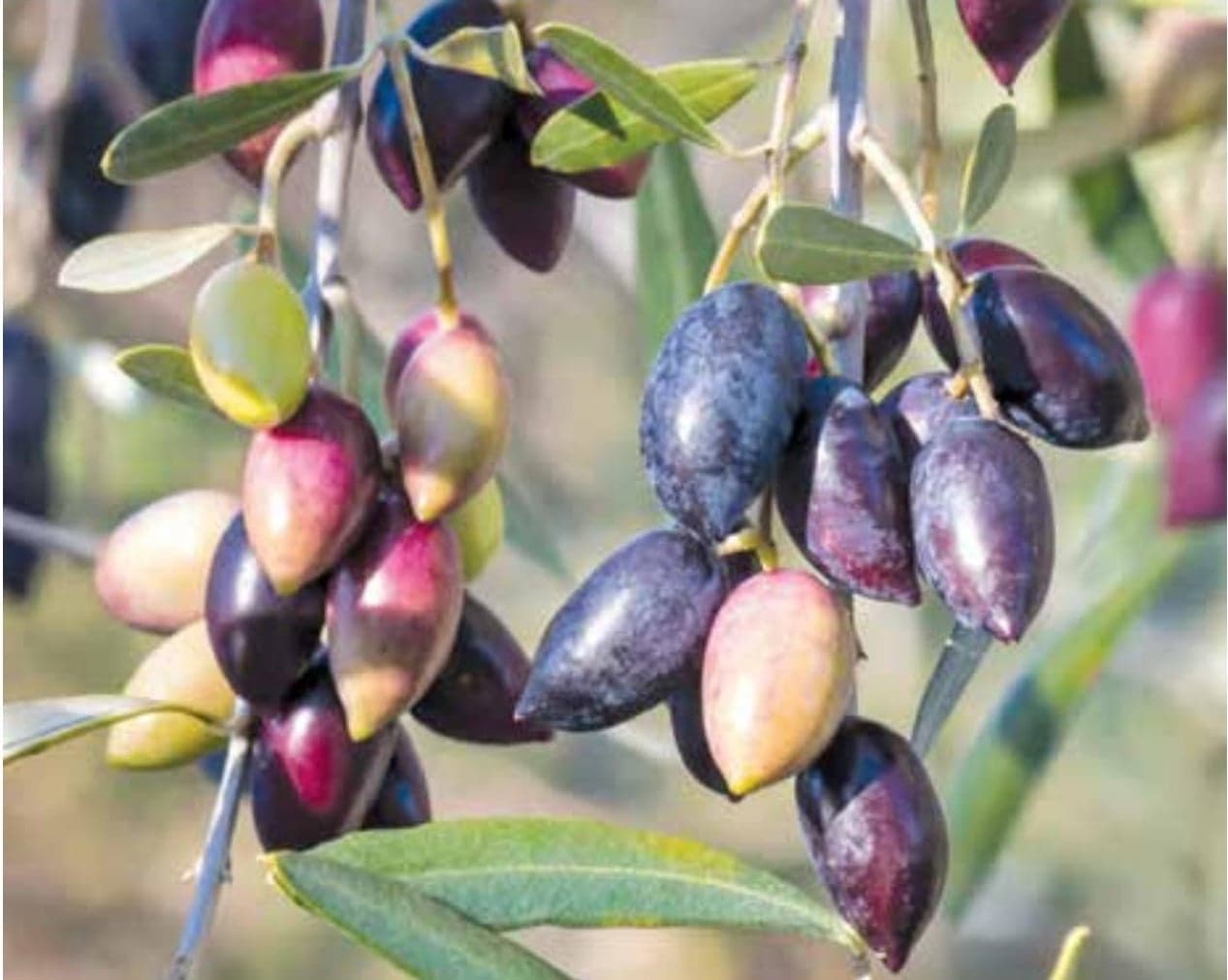
My rosh hayeshiva, zt’l, would often quote the following Gemara in Menachos (a partial paraphrase based on various commentaries): Rebbe Yitzchak said, “At the time when the Beis HaMikdash was destroyed, Hashem found…
I am embarrassed to even attempt to write an article about my rebbi, HaRav Alter Henoch Leibowitz, zt’l, the longtime rosh yeshiva of Yeshivas Chofetz Chaim in Queens. Anything I write will be woefully insufficient.
When Hoshea suggests that Hashem exchange Klal Yisrael for another nation, Hashem rebukes him: a father never trades his children. Hoshea then prays for them.
At Kiddush Levanah, Rav Henoch Leibowitz finds ways to greet every bachur with “shalom aleichem,” so that no talmid feels slighted.