Yibum and Tzitzis
Daf Yomi recently began learning Masechta Yevamos. The Zohar in Parshas Ki Seitzei discusses the paucity of Torah that will exist in the times of Moshiach.
Seder Nashim · dafim 2–122
Finished July 7, 2022 in this cycle. 23 articles, 17 stories
Daf Yomi recently began learning Masechta Yevamos. The Zohar in Parshas Ki Seitzei discusses the paucity of Torah that will exist in the times of Moshiach.
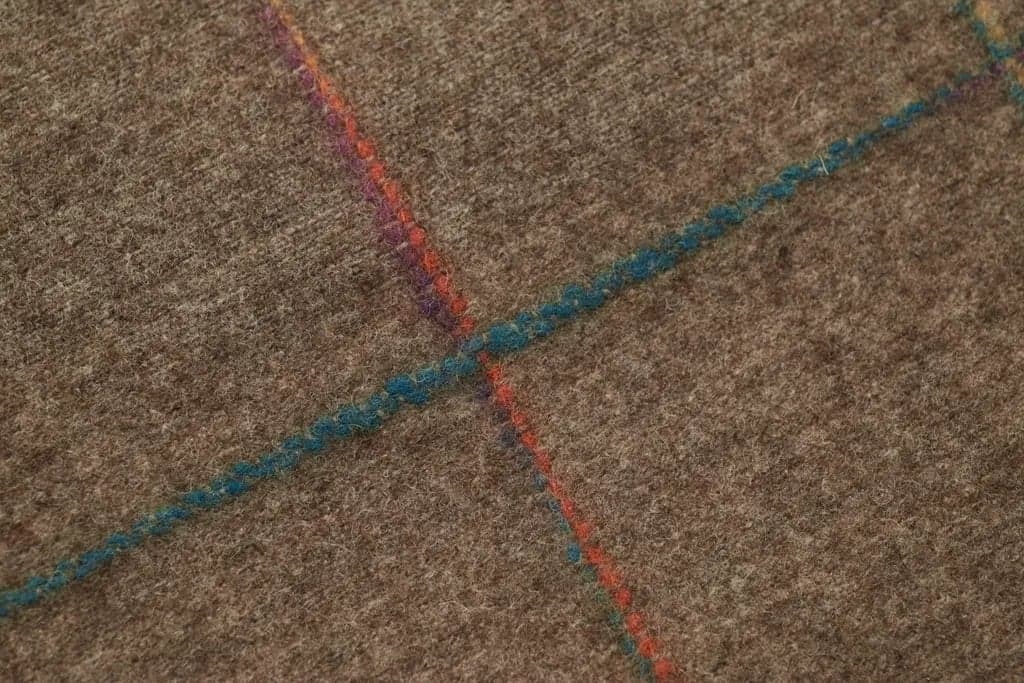
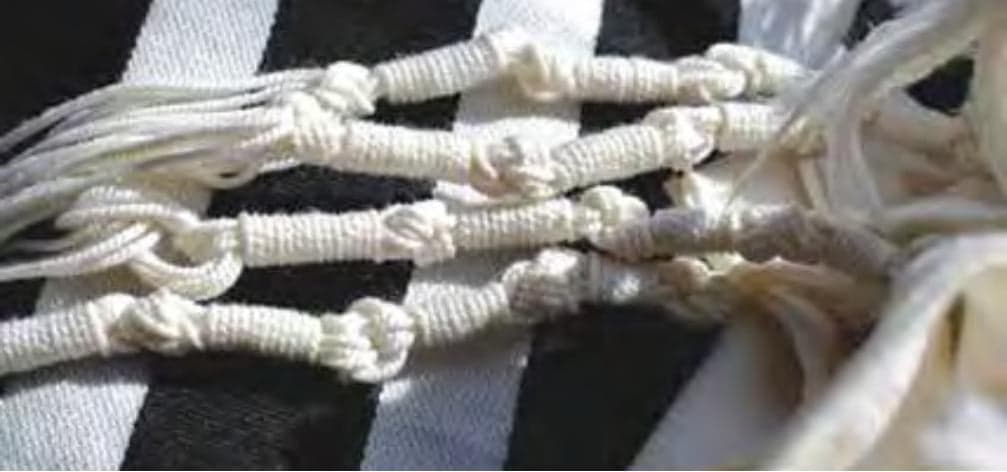
The Gemara (Yevamos 4a) discusses the Biblical prohibition against wearing a garment that contains a mixture of wool and linen. The Torah states, “Do not wear sha‘atnez” (Devarim 22:11).
I hope you all enjoyed your Lag B’Omer celebrations this past Sunday. My preschooler’s morah wanted to see if any of her talmidos knew about Lag B’Omer.
Shammai’s daughter-in-law gave birth over Succos (Yevamos 15a). She was recuperating in the house. Shammai managed to make a hole in the roof over the bed she was resting in and placed s’chach over that hole.
During the Second Temple period, Eretz Yisrael suffered from a great famine. The great sage Rebbe Yochanan HaChorani survived by subsisting on dried bread and salt.
Sometimes, while learning Talmud and the commentaries, one can uncover new facts about the events recorded in Tanach. Tosfos in Yevamos (21a) states that Dovid HaMelech married the former wife of Shaul HaMelech, Ritzpah…
Everyday conversation is replete with redundancy. Two of the most common offenses are the use of the phrases “ATM machine” and “PIN number.” When the acronyms are spelled out, the phrases become “automated teller…
Amidst a discussion about the laws of inheritance, the Gemara in Yevamos (37b) introduces the following scenario: There is a field that is surrounded by other fields.
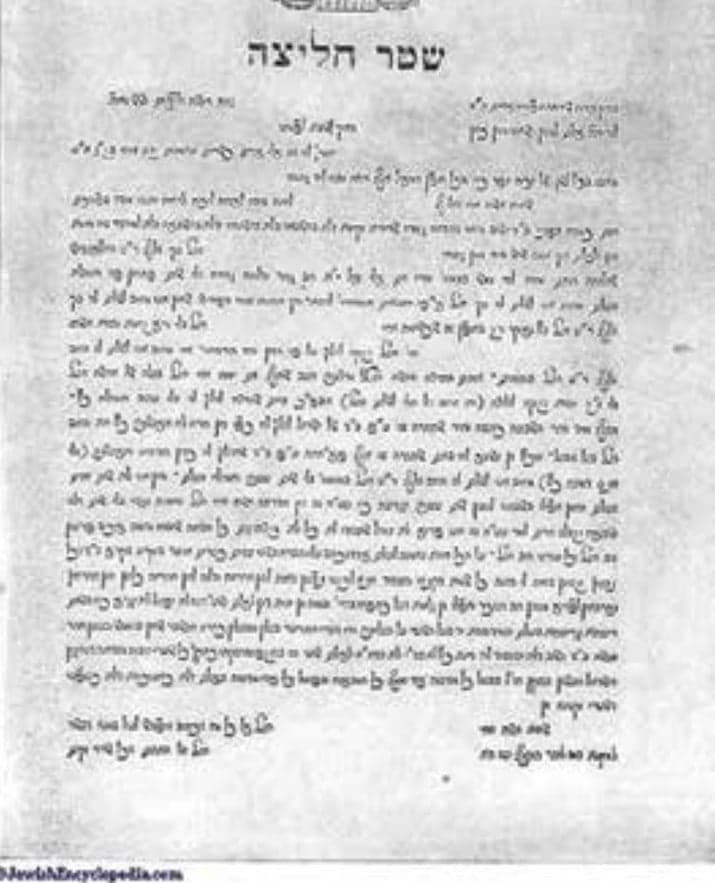
The Mishna in Yevamos (49a) tells of a mysterious scroll found in Yerushalayim. The Gemara proceeds to enumerate the contents of the parchment.
Shimon ben Azai declared that he found a scroll in Jerusalem that contained a historical fact not otherwise recorded in the Prophets.
Is it possible for someone to enjoy his meal in a perfectly kosher sukkah while simultaneously violating the injunction against eating a bread meal outside the sukkah on Sukkos?
There are many endearing names a person can call their father: Dad, Daddy, Tatty, Ta, Papa, Pop, or Abba. But a fascinating question arises: Can a child use the endearing nickname “Abba” if his father’s actual, given…
There are many endearing names one can call his father: Dad, Daddy, Tatty, Ta, Pappa, Pop, Poppy, Abba. The question that many have pondered is: can someone call his father by the endearing name Abba, if his actual name…
When someone does you a favor, a possible response is “Shkoyach.” “Can you please pass the gefilte fish?” “Sure.” “Shkoyach.” What does shkoyach mean?
The Shulchan Aruch writes that if one passes a place where a miracle occurred to him, he recites the blessing of “she’asah li neis ba’makom ha’zeh.” It is clear from the Mishnah Berurah that the miracle in question has…
The Sifrei says that Bnei Yisrael brought the Korban Pesach only once during their 40-year sojourn in the desert. This Sifrei says further that this reflects badly on Klal Yisrael.
There are over 700 brands of bottled water currently on the market in the United States. Each brand claims to offer the perfect water taste. In ancient times, one would have assumed that there was no choice of water.
The Torah awarded kohanim with terumah gifts. After terumah was separated from freshly grown Israeli produce, the farmer would separate 10% of what remained and give that to a Levi. This is termed Ma’aser Rishon.
One fine erev Shabbos, Rebbe Yannai was anxiously waiting for a gift of fruit to arrive. Every erev Shabbos without fail, an employee who worked in his field would dutifully bring a gift of fruit to show his…
A scholar was relating a ruling about converts. To buttress his position, he declared that Rebbe Akiva issued a ruling about this very issue.
Lefties have it hard in a world that is made for righties. Starting in school, students encounter desks that are made for righties. There are one-piece desks where the student enters the desk on the left side and is…
Due to improprieties committed by the sons of Eli, a Kohein Gadol, Hashem proclaimed a curse on his descendants that they would die young. Unless some special exception was made, the descendants wouldn’t live past 20.
Rav Yitzchak bar Bisna was the gabbai in charge of opening the doors to the beis midrash. He did his job without fail, until one fateful day when he lost his keys.
When his daughter-in-law gives birth on Sukkos, Shammai breaks open the roof over her bed and covers it with s'chach. But who was the sukkah for?
Starving in a famine, Rabbi Yochanan HaChorani refuses Rabbi Tzadok's moist olives with 'I don't eat olives,' until assured they are tahor.
A man in Provence was about to marry his father-in-law's ex-wife, with the meal already prepared. Rabbeinu Tam ruled, despite the loss, that the wedding could not go ahead.
The young Chofetz Chaim turned down rich dowries and married his poor step-sister Freidah for the sake of shalom bayis, and credited all he achieved to her.
Fleeing King Menashe, Yeshayahu is swallowed by a cedar tree; Menashe has it sawn apart, and the prophet dies as the blade reaches his mouth.
Yeshaya HaNavi tells the dying Chizkiya he is punished for not marrying. Chizkiya prays despite the decree, gains fifteen years and marries Yeshaya's daughter.
The wicked King Menashe, Chizkiya's son, brands his grandfather Yeshaya HaNavi a false prophet over the fifteen added years, and puts him to death.
Sent by the Romans to loot the Beis HaMikdash, Yosef Meshisa brings out the Menorah, then refuses to go back in and dies al kiddush Hashem.
The angel Gavriel leads Yosef to his brothers as Hashem planned, yet hints that they want to kill him. Rav Henoch Leibowitz explains why he did both.
Returning from Yaakov's burial, Yosef blesses Hashem at the pit where he was saved; his frightened brothers invent a message from their father.
A three-year famine strikes in Dovid HaMelech's days. The Urim v'Tumim reveals it is for Shaul's failings, including the Givonim who starved after Nov fell.
With Rabbi Akiva in a Roman prison, the scholars had to pay a man 400 zuz to get in and ask him a halachic question: "our water we drank for money."
Rabbi Akiva has a farmer move his garden entrance beside a cemetery, so the kohen Rabbi Elazar ben Azaryah can no longer collect Ma'aser Rishon there.
Rabbi Yannai tithes his Shabbos fruit from afar, then dreams of "a splintered reed." Rabbi Chiya tells him the dream means he ruled according to the truth.
Descendants of Eli were cursed to die young, yet Rabbah's Torah earned him 40 years and Abaye's Torah and chesed earned him 60.
Abaye asks Rabbah why he fears the travails before Mashiach when he has Torah and chesed; Rabbah answers that his sins may still expose him.
The gabbai Rav Yitzchak bar Bisna drops the beis midrash keys on Shabbos. Rabbi Pedas tells him to let children play nearby and lead them back.