Of Giving and Receiving
Occasionally, it happens that a child may give someone mishloach manos and not receive anything in return. This may be because the intended recipient isn’t home, or they ran out of mishloach manos, or for some other…
Seder Nashim · dafim 2–82
Finished November 3, 2023 in this cycle. 14 articles, 13 stories
Occasionally, it happens that a child may give someone mishloach manos and not receive anything in return. This may be because the intended recipient isn’t home, or they ran out of mishloach manos, or for some other…
There is an oft repeated story involving Rav Moshe Feinstein, zt”l. Rav Moshe was attending a bris. There were two cartons of chalav Yisrael milk in front of him, from two competing brands with different hechsherim.
Many times I have heard this same story involving Rav Moshe Feinstein, zt’l. Rav Moshe was attending a b’ris. There were two cartons of chalav Yisrael milk in front of him, from two competing brands with different…
The Gemara in Kiddushin (17a) discusses the situation of an eved Ivri, an indentured servant, who became ill. His boss contracted with him for six years of labor. However, he was ill for two years.
HaRav Meir ben Jacob HaKohen Schiff (1608–1644) wrote a commentary on a number of mesechtos that are commonly studied in yeshiva. The commentary, commonly referred to as the “Maharam Schiff,” is cryptic and often…
The Gemara in Shabbos explains that various halachos are learned from a pasuk in Yeshayah (58:13). From the words “Mimtzo cheftzecha,” we derive that one should not occupy himself on Shabbos with conducting his business…
This time of year is designated for teshuva. We really should be paralyzed with fear because of the impending judgment. Yet, there is a contradiction. On Rosh Hashana, we enjoy festive meals.
With Rosh Hashanah upon us, Jewish retailers stock new fruits for us to enjoy. An interesting halacha related to fruits, one to which we don’t give much thought to, is orlah.
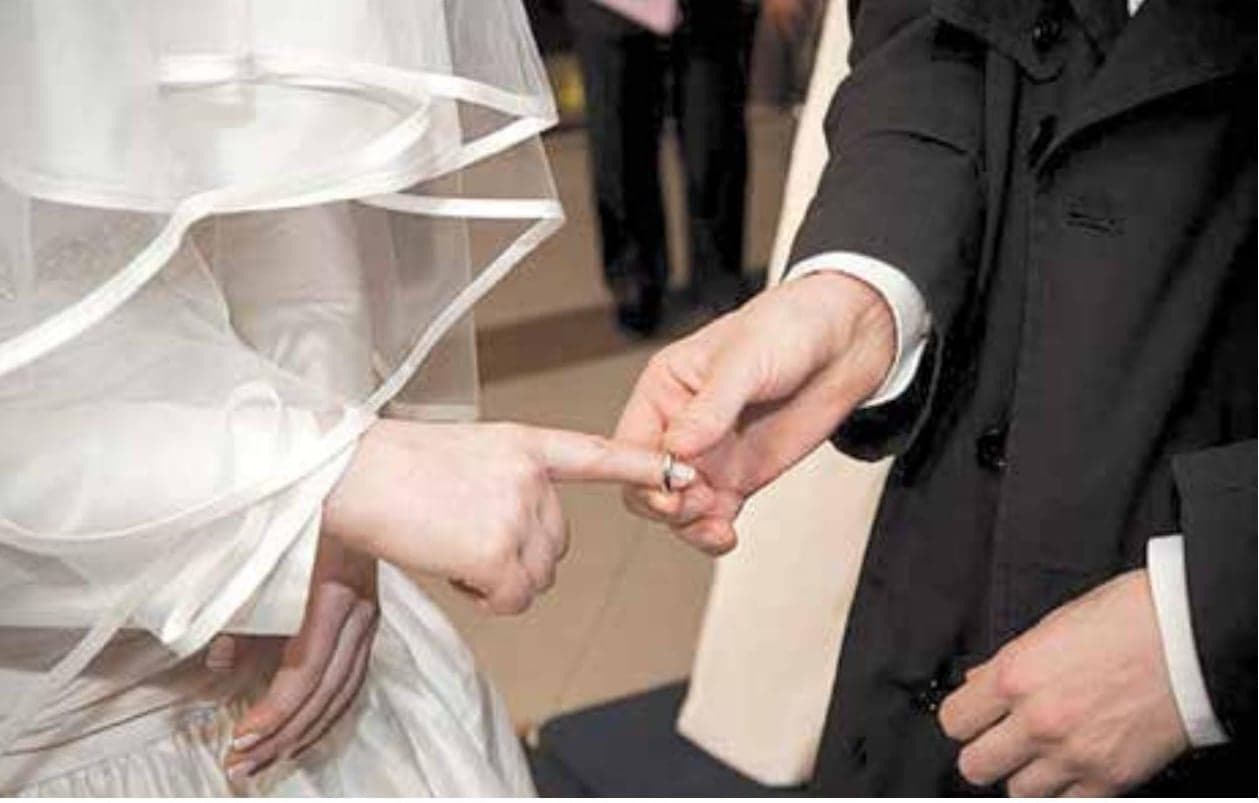
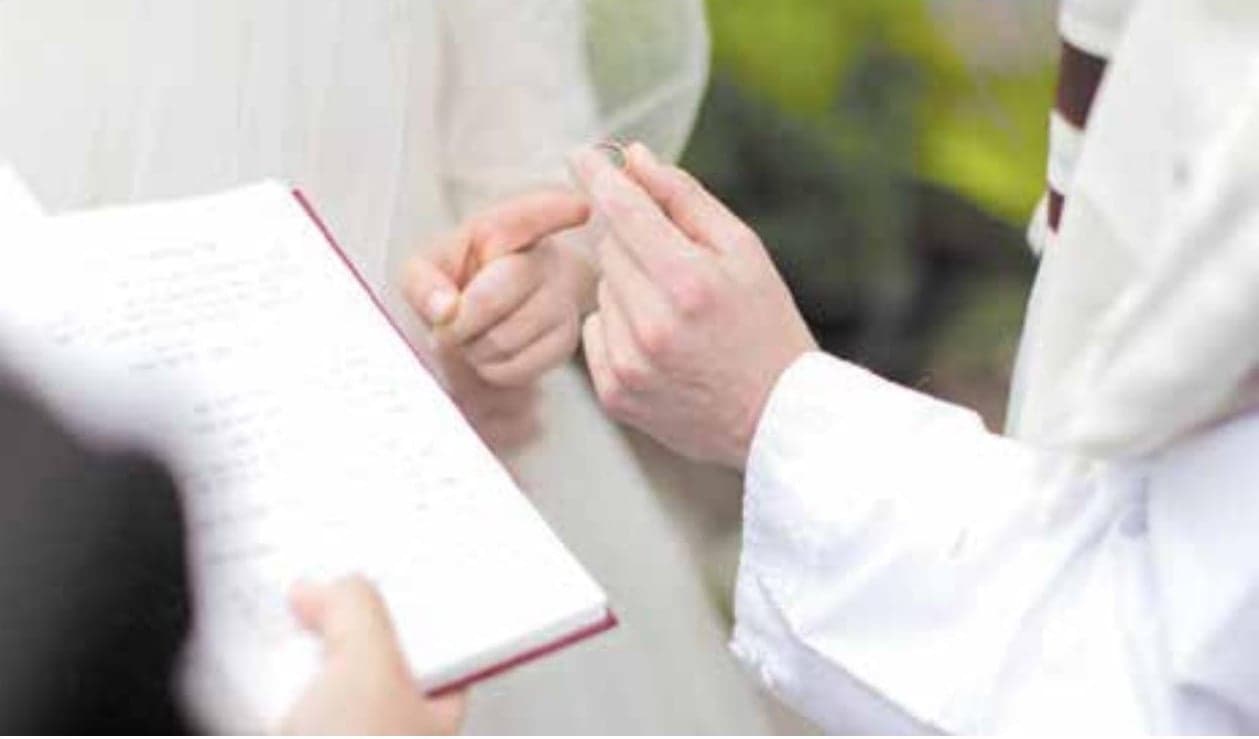
At a typical wedding, there can be no doubt who the kallah is. But hundreds of years ago, a chassan got himself into a jam due to a lack of specificity.
With the enormous amount of responsa that have been written over the past thousand years, there are countless ones about some rather interesting questions.
The following story takes place many years ago in Europe. It’s a true story that just hasn’t happened yet. Shimon: My father told me that my bar mitzvah is this week Parshas Noach. Boruch: Mazel tov!
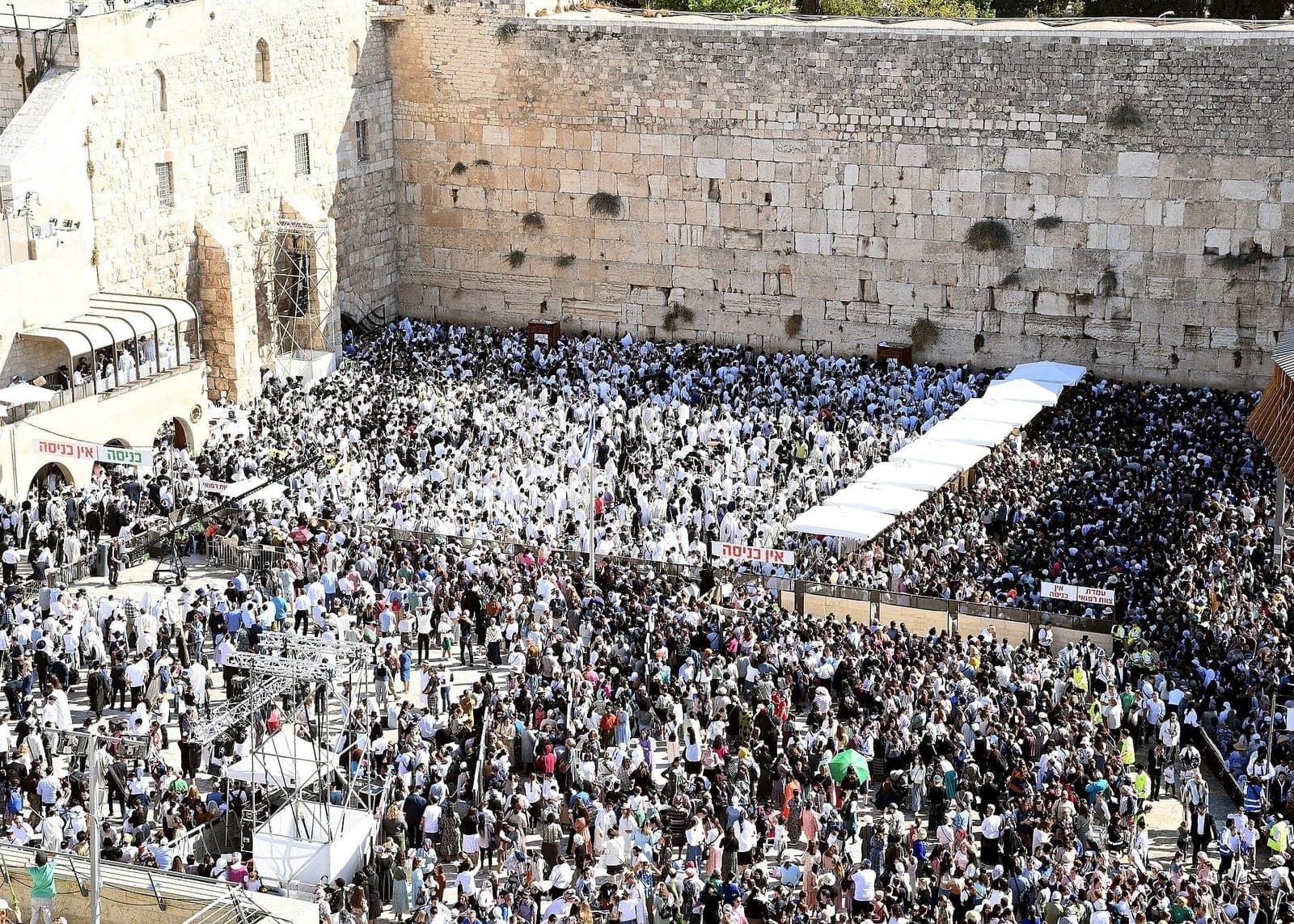
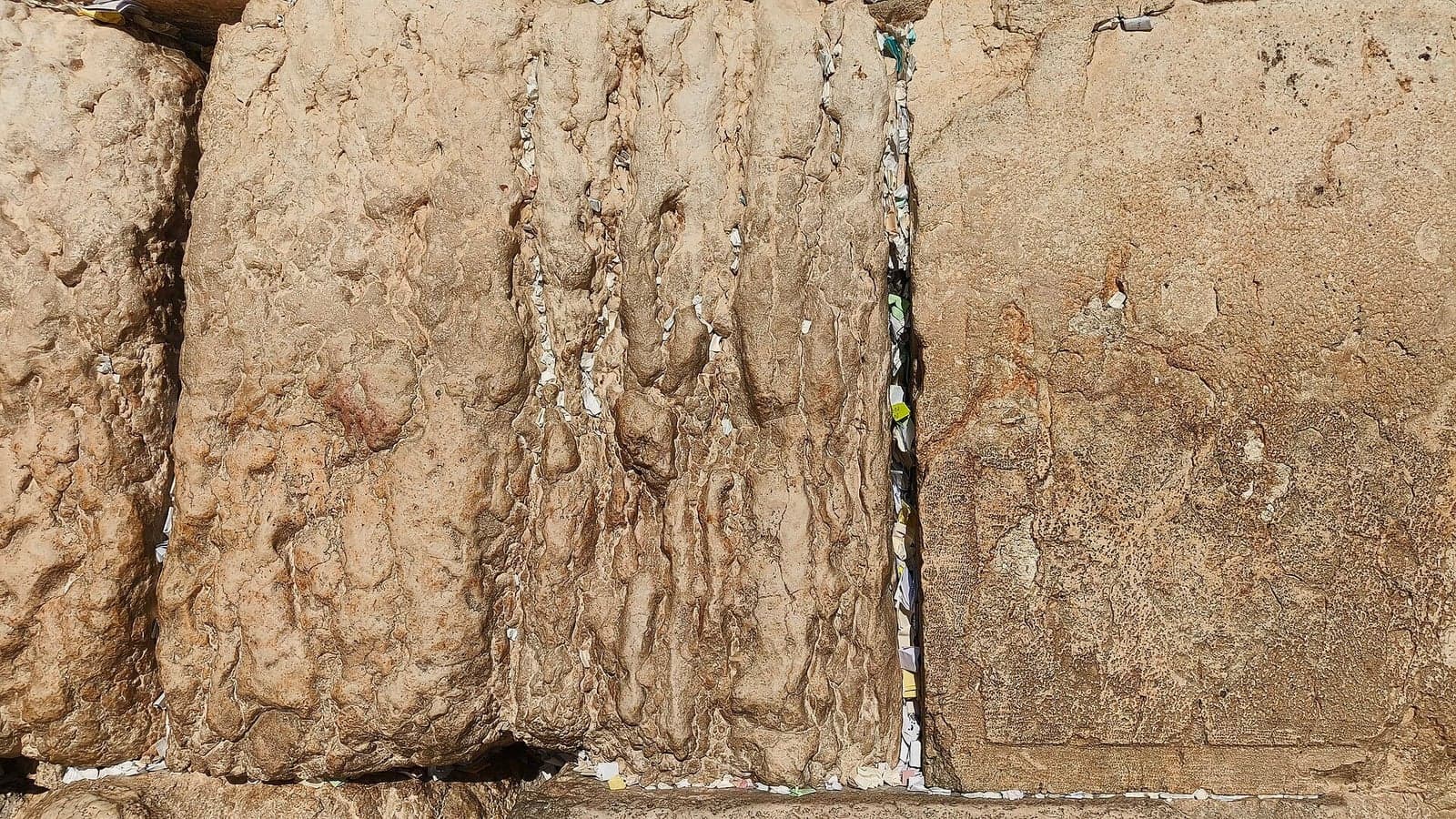
Last week, I discussed the prohibition of taking stones from the Kosel. Many readers likely assumed that it was a bizarre and irrelevant topic.
Is there anything wrong with a man marrying a woman solely for her money? What about if money is just one of a man’s criteria? What if he needs his in-laws to support him while he pursues his college degree?
There are well-known stories found in the Gemara that made it to the storybooks. Yet there are stories that are equally important but haven’t been publicized simply because they are not suitable for all audiences.
At Camp Romimu, the bunks' bathrooms were open to the rest of the room, so brachos could not be said there. Rabbi Shimon Eider found a creative solution.
A homeowner hoped to save money by putting an eruv-style string doorframe around his roof instead of a fence. Rav Moshe Feinstein's answer was short and plain.
At a bris, Rav Moshe Feinstein puts down one milk carton for another, and people decide he rejects its hechsher. The real reason: the carton was empty.
At a pidyon haben, the Chasam Sofer defends a zimun leader who forgot the kohanim with a clever quip, then is horrified to hear it quoted as halachah.
Speaking at a yahrtzeit gathering, Rav Yaakov Kamenetzky lamented that students no longer learn the Maharam Schiff, a commentary where 'you have to count words.'
Rabbi Tarfon bends down so his mother can climb into bed, and when her sandal tears on Shabbos, he places his hands under her feet all the way home.
A chassan gives a ring for 'your daughter' without saying which one. A sage rules he can marry none of them, and even Rabbeinu Tam's defense falls short.
A young man won't date before his older brother marries. Rav Shmuel Auerbach tells him not to wait, and his wedding leads straight to his brother's match.
To escape a noblewoman's advances, Rabbi Chanina bar Pappi hides all night in a dangerous building and emerges unharmed, protected by a miracle.
When a powerful noblewoman tries to entice him, Rabbi Tzadok climbs into her lit oven, teaching her how severe the sin is, and she leaves him alone.
Selling baskets, Rav Kahana is enticed by a noblewoman and throws himself off a roof to escape. Eliyahu HaNavi travels 400 parsos to catch him.
Overcome by desire for a captive woman in his attic, Rav Amram Chasida climbs a heavy ladder, then stops halfway and shouts "Fire!" to bring the rabbis running.
Rav Chiya bar Ashi's wife disguises herself to test him, and he sins with her unknowingly. Learning the truth, he still fasts in anguish for the rest of his life.