Serpentine Path to Prominence
If you found an object from the 1300s it would be pretty interesting. Still, in Israel, a land full of archeological marvels, 700 years is not a long time.
Seder Kodashim · dafim 2–142
Finished September 19, 2026 in this cycle. 34 articles, 13 stories
If you found an object from the 1300s it would be pretty interesting. Still, in Israel, a land full of archeological marvels, 700 years is not a long time.
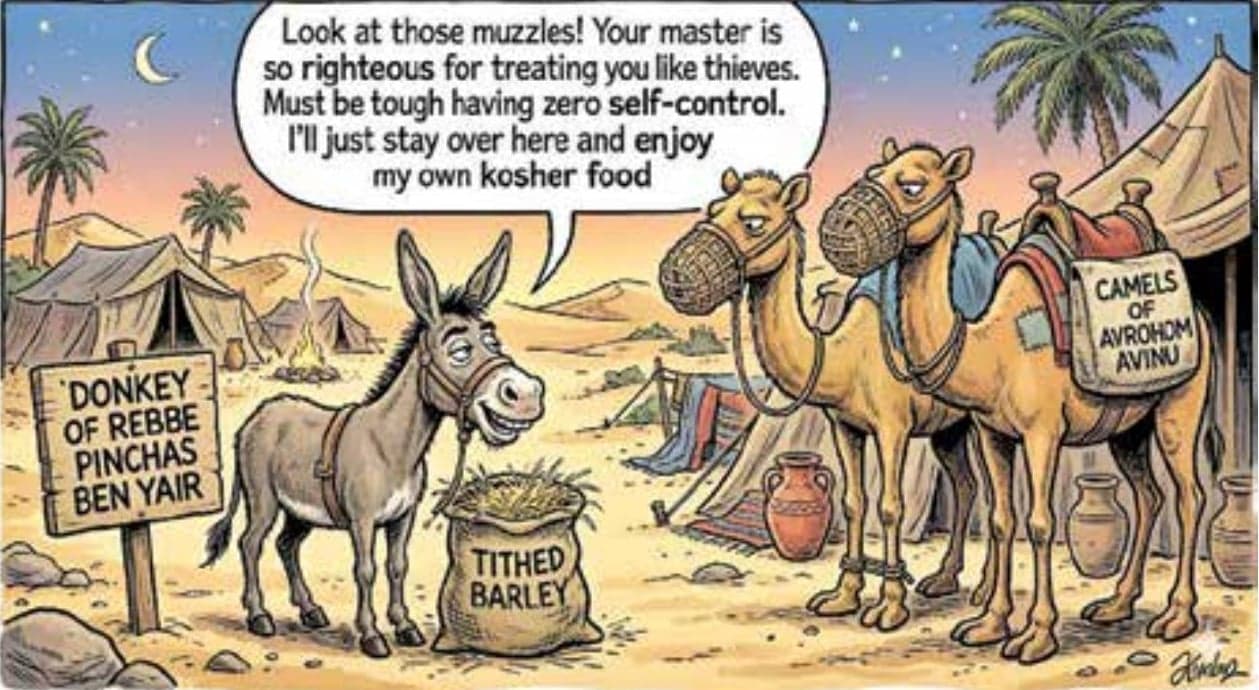
The Gemara in Chullin (7a) records the remarkable journey of Rabbi Pinchas ben Yair as he traveled to redeem captives. Along the way, he arrived at an inn where his donkey was offered barley.
R’ Pinchas ben Yair was on his way to fulfill the mitzvah of pidyon shevuyim; he came to the Gina’i River and asked it to split for him so that he could continue traveling.
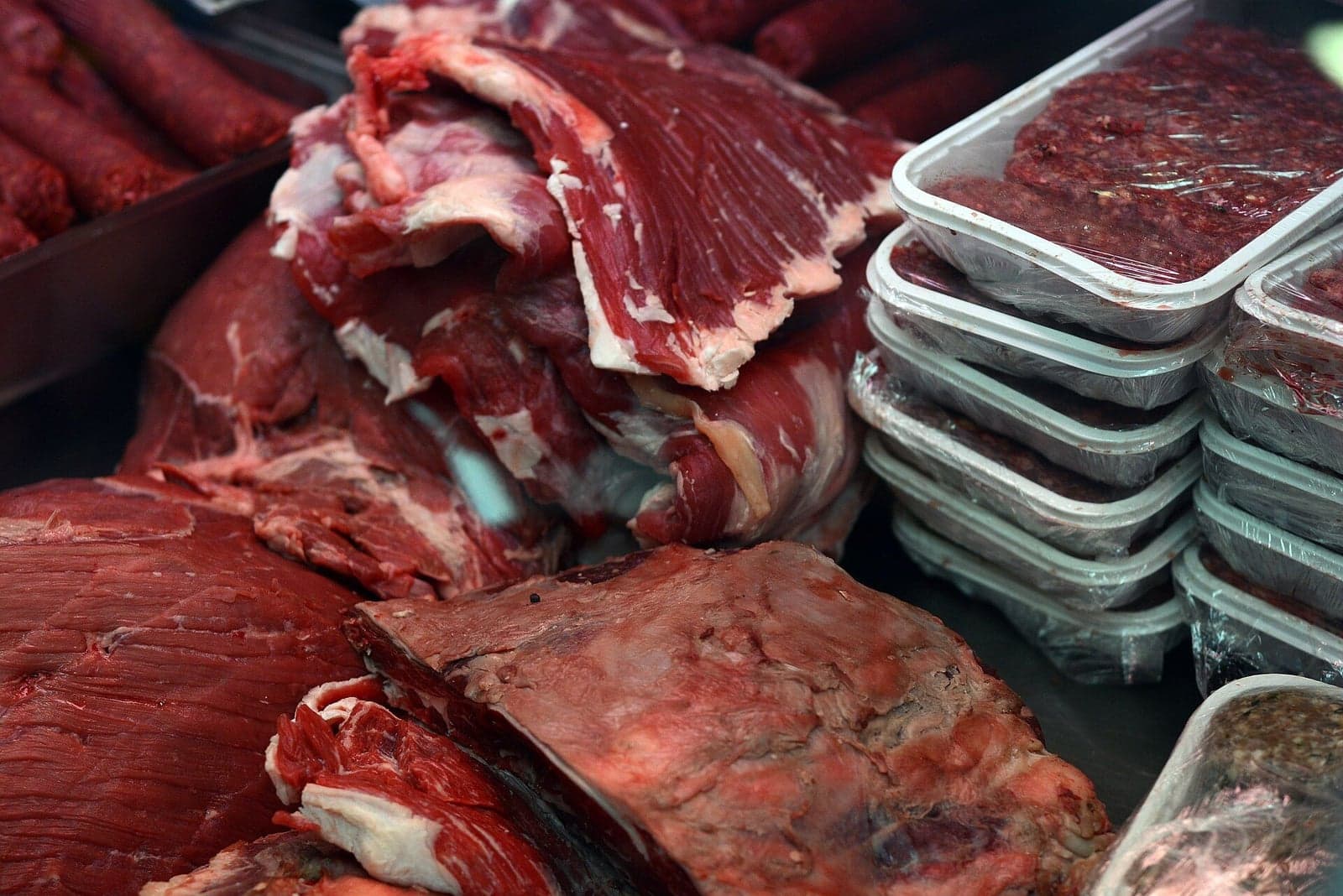
Daf yomi learners began Chulin last week. Chulin is required learning for those studying for semichah. It primarily deals with issues relating to the preparation of kosher meat.
Daf yomi learners began Chulin last week. Chulin is required learning for those studying for semichah. It primarily deals with issues relating to the preparation of kosher meat.
When Ben & Jerry’s announced a few years ago that they would stop selling their ice cream in certain parts of Israel, many kosher supermarkets and community organizations in the diaspora initiated a counter-boycott…
Recently, there was a boycott started in Israel against local cottage-cheese manufacturers. Consumers complained, “Why should cottage cheese cost 50% more in Israel than in the United States and Europe?” I’m lucky that…
Recently, there was a boycott started in Israel against local cottage-cheese manufacturers. Consumers complained, “Why should cottage cheese cost 50% more in Israel than in the United States and Europe?” I’m lucky that…
A bochur sat down for his festive Yom Tov night meal in the sukkah. He enjoyed a hearty seudah, sang some zemiros, and then bensched. Immediately afterward, he spoke with his rebbi.
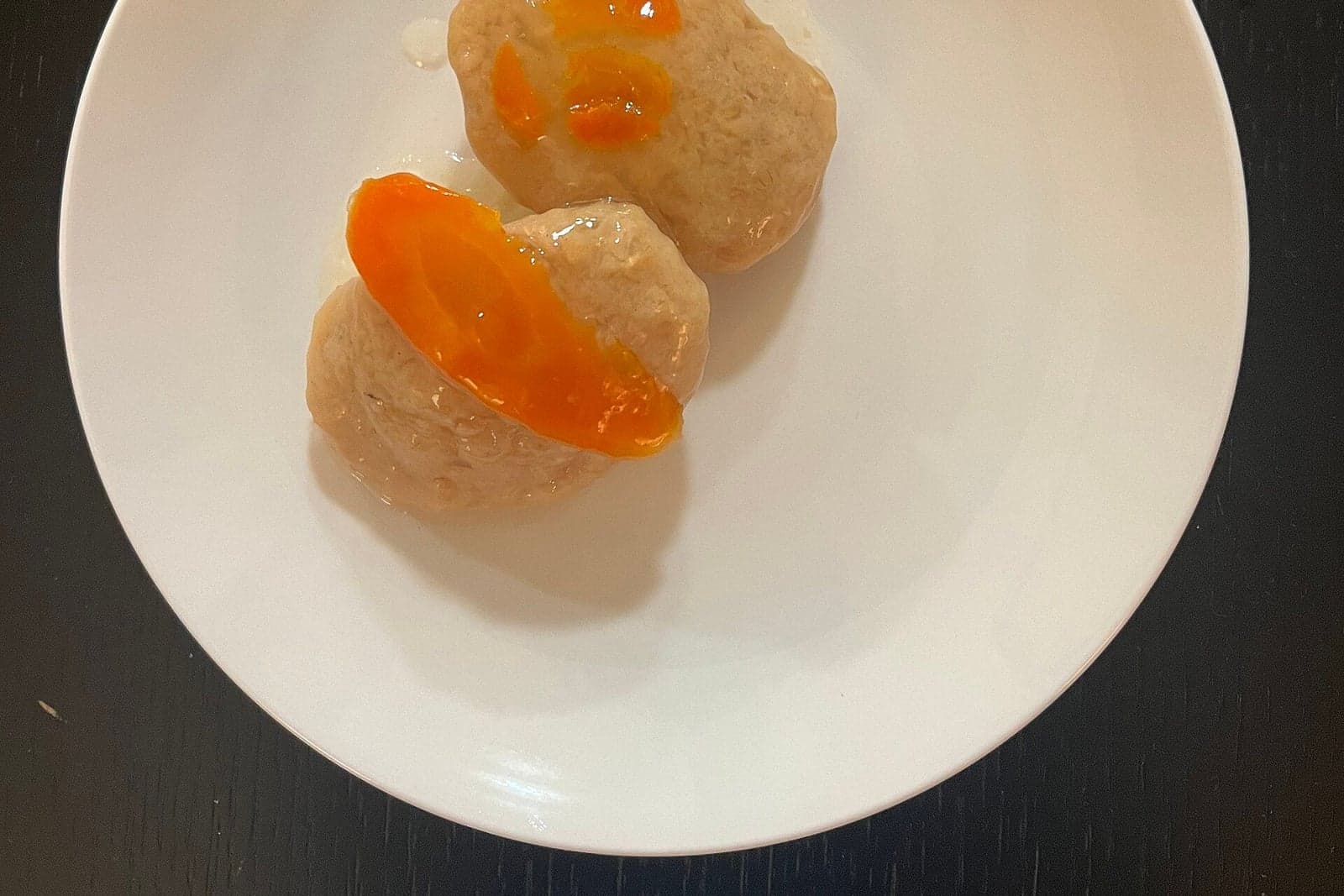
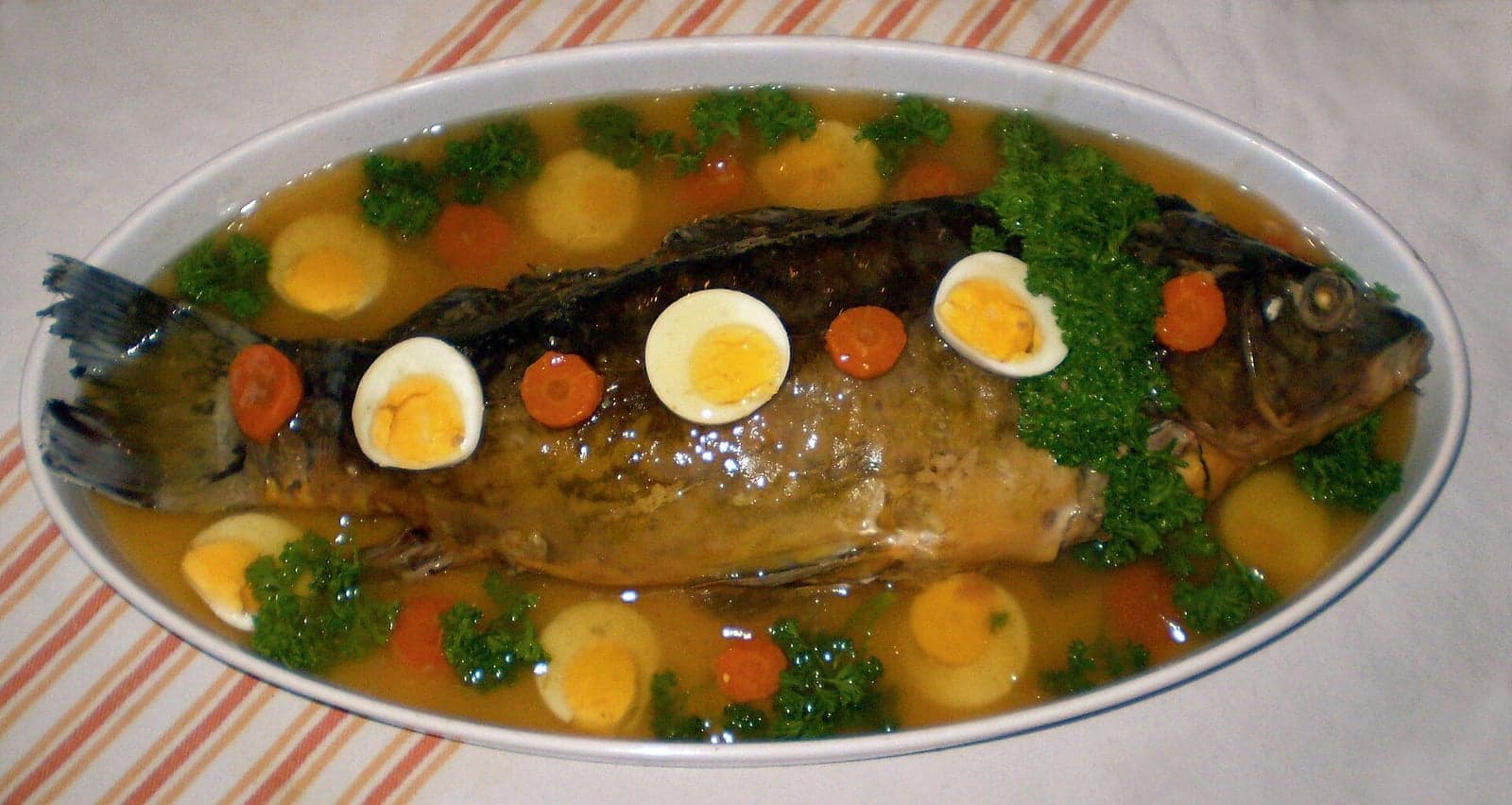
Gefilte is the o-fish-al appetizer of Shabbos. How did it achieve that status? The Gemara in Chulin (27b) relates that there is no Torah-prescribed method for killing fish.
In my yeshiva, one of the chashuvei ha’kollel has the name Abba. I remember asking his children if they called their father “Abba.” The term “Abba” can either refer to their father’s given name or the endearing Hebrew…
A friend of mine once noticed a peculiar habit of his mother-in-law: whenever watermelon was served for dessert at a Shabbos meal, she would always eat it with a challah.
An inquisitive youngster might ask his father, “Why don’t we eat giraffe?” The old, popular answer was that we simply don’t know where along the long neck to perform shechitah.
There are words that lose their original definition over time and take on a different meaning. This is certainly true of Yiddish words that have become standard in our vocabulary.
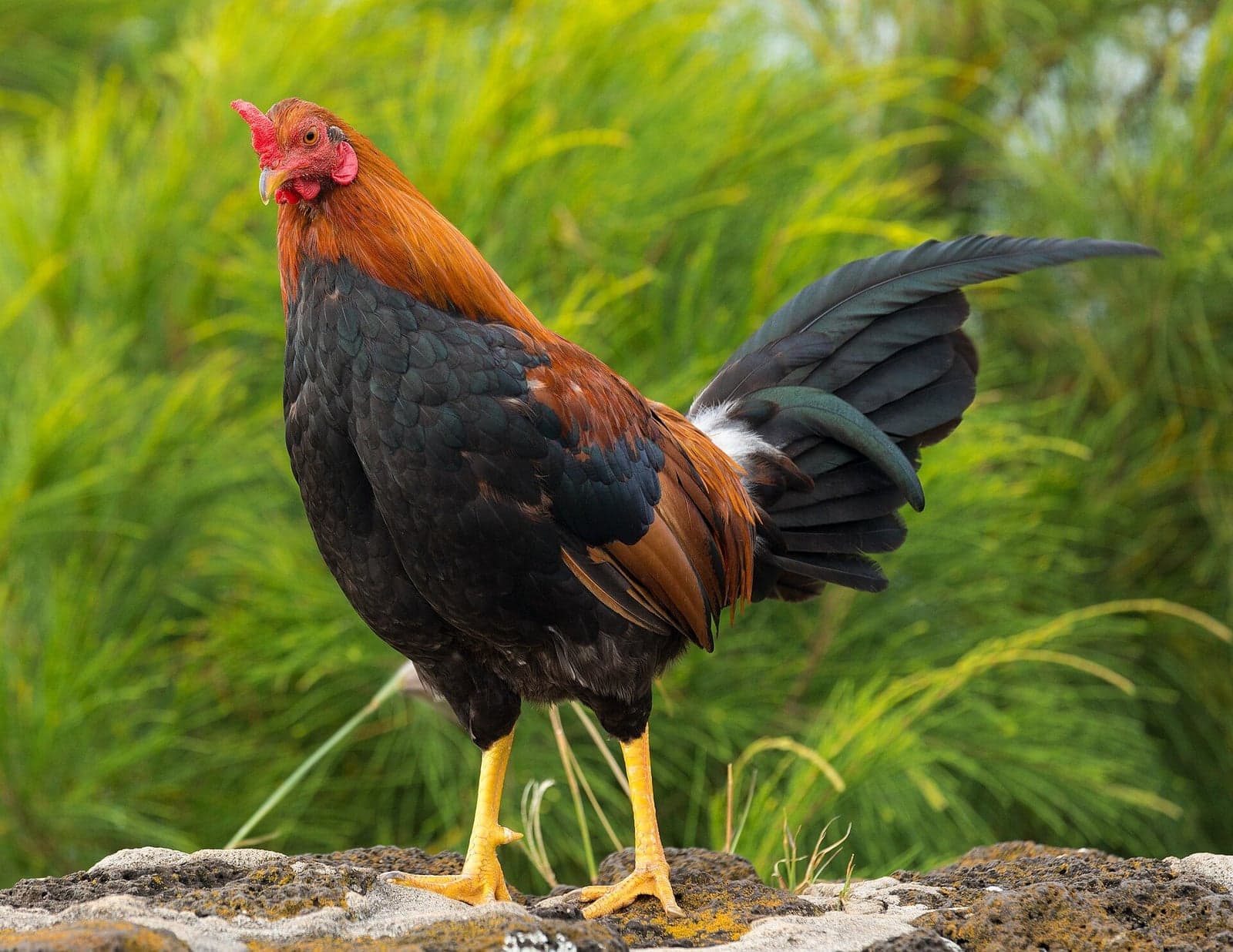
In 2004, the global kosher market experienced a sudden jolt over the ubiquitous Leghorn chicken. For decades, the white Leghorn had been the commercial gold standard for egg production in the United States and Israel.
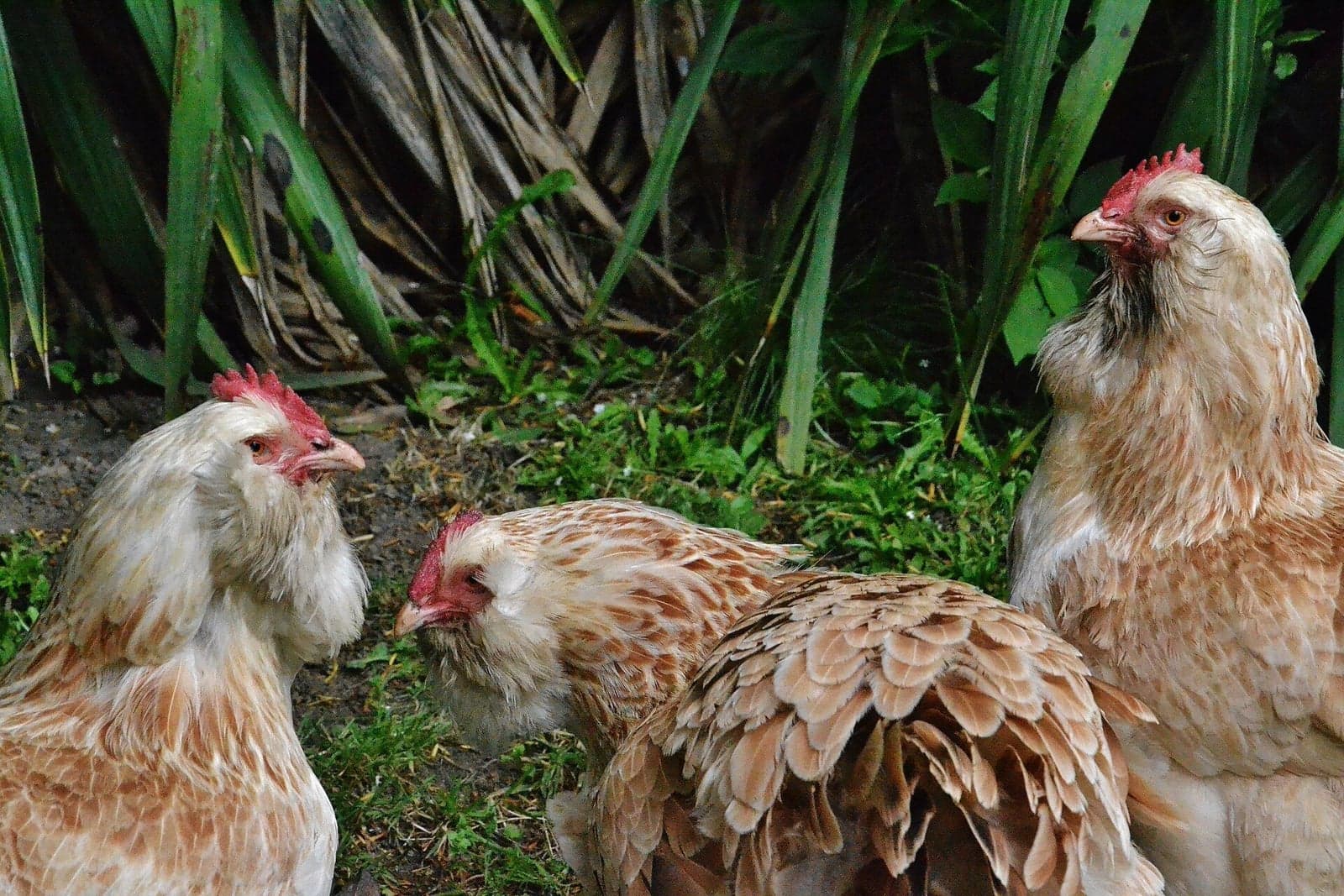
In 2013, the Leghorn chicken was the subject of a kashrus controversy. In 2017, the Braekel chicken was the subject of another kashrus controversy.
For the vast majority of kosher consumers, the process of bringing chicken from the farm to the table seems straightforward. We know about shechita and melicha.
Those who cannot remember the past are doomed to repeat it. It is with this in mind that I bring to your attention an incident that occurred in 2004.
[Note: The following is based on a lecture delivered by the author’s father, Rabbi Yaakov Sebrow, shlita, at Chavurat Yisrael.] A pasuk in Bereishis (2:5) says, “Now any tree of the field was not yet on the earth and…
Our past two articles ruffled some feathers by focusing entirely on chickens. This week, we are switching gears to look at the poultry world’s ultimate nest egg: the egg itself.
Two weeks ago we learned some interesting topics in the daf that touched on some raging controversies affecting kashrus today. One such Gemara was about the kashrus of sheratzim found in pits of water.
On a crisp, torch-lit night in eleventh-century Baghdad, the air carried more than the usual scent of roasted almonds, cardamom, and the damp clay of the Tigris. It carried the palpable weight of a changing era.
I came across an interesting halachah in Halichos Shlomo: A husband is obligated to help his wife. Before husbands get too nervous, I did take the halachah somewhat out of context.
In Maseches Chullin (95a), the Gemara transitions into a discussion regarding the prohibition against nichush (forbidden divination).
The following is a dramatization of a true story that took place around 1675: Chavvos Yair (Rav Yair Chaim Bachrach, 1638–1702): Thank you all members of the Chevrah Lomdei Mishnayos for coming together for this special…
The Gemara (Chullin 105a) records a fascinating statement by Mar Ukva: “I am like vinegar from wine compared to my father. For if my father ate meat one day, he would not eat dairy for another 24 hours!
What is the definition of a chumrah? It is an optional stringency in halachah that one takes upon himself. There are certain practices that some may view as chumros, but which others view as halachic requirements.
In the “you can’t make this stuff up” department, 35-year-old Bobby Bolen of Niles, Michigan, was sentenced to 54 days in prison plus probation after barging into his then-friend Lee’s home, throwing him on the couch…
In the “You can’t make this stuff up department,” 35-year-old Bobby Bolen of Niles, Michigan was sentenced to 54 days in prison and given probation after he barged into his then-friend Lee’s home, threw him on the…
The following is based on a true story. Nathan comes home from his out-of-town dormitory and loudly declares, “I’m starving!” His mother gently reminds him that he managed for a few months on his own and could fend for…
Boruch stepped into the shared backyard, hammer in hand, ready to build his beautiful sukkah. But as he looked up to map out his airspace, he noticed a major snag.
Attending a yom tov seudah and spotting an inviting platter of beef tongue on the table is the ultimate test of fortitude. Your mind immediately starts wondering if taking a slice means entering into a mutual tasting…
A number of years ago, as Pesach approached, my daughter Sara Hindy noticed that there was a bird sitting on a nest in the tree right outside our front window.
I’m sorry if this article about shiluach hakein ruffles people’s feathers, but it’s meant to spark discussion, not to offer psak halacha.
The copper snake Moshe made to heal the Bnei Yisrael lasted 700 years until people worshipped it, and King Chizkiyahu destroyed what his righteous ancestors had left standing.
On his way to redeem captives, Rabbi Pinchas ben Yair orders the Ginai River to split. The river argues it too does Hashem's will, but finally gives way.
On his way to redeem captives, Rabbi Pinchas ben Yair's donkey refuses untithed barley until the innkeepers separate maaser, teaching that Hashem guards the righteous.
Rabbi Zeira fasts a hundred fasts and slips away from his rebbe Rav Yehudah to settle in Eretz Yisrael, then eats meat Bavel would forbid, following his new home's custom.
When gentile merchants raised the price of fish because Jews always bought it for Shabbos, the Tzemach Tzedek ruled that a temporary boycott was proper, for the sake of the poor.
An animal with a partly cut windpipe comes before Rav, who leaves it undecided; Rabba bar bar Channa then rules it kosher and even buys its meat.
Asked twice whether ice cream after a meal needs a bracha, Rav Moshe Feinstein first asked what it was made of: milk meant no bracha, but milkfat meant yes.
His students ask Rabbi Shimon bar Yochai why the manna fell every day instead of once a year, and he answers with a parable of a king and his only son.
Given Dovid's wife Michal by King Shaul, Palti ben Layish places a sword between them on the first night and keeps that boundary for over seven years.
A flea jumps into the stew at a Tu B'Av feast. The Chavos Yair won't eat it and asks the Panim Meiros, who first permits it, then agrees he was right.
Esav wore Nimrod's royal garments to serve Yitzchak, and Rabban Shimon ben Gamliel admits he never honored his own father a hundredth as well.
Seeing a sign hailing him as author of the Mishnah Berurah on all of Orach Chaim, the Chofetz Chaim took out a pen and corrected it to where he had finished.
When his grandson began drying off wet grapes before eating them, Rav Moshe Feinstein told him it was unnecessary, following the custom not to wash for wet foods.