Trimming The Fat
Daf yomi learners began Chulin last week. Chulin is required learning for those studying for semichah. It primarily deals with issues relating to the preparation of kosher meat. However, many different areas of kashrus are touched upon.
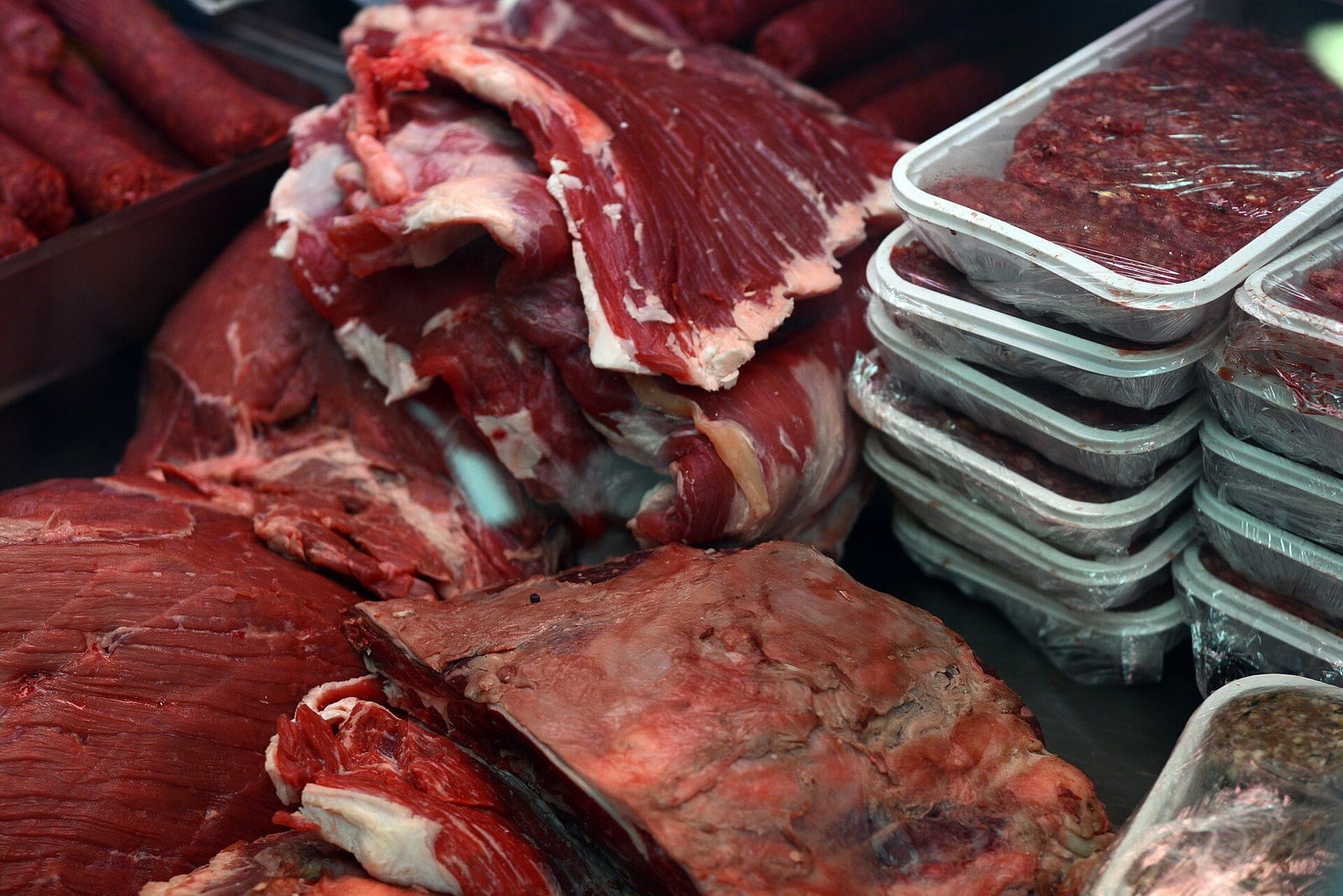
This year, Rabbi Berel Wolowik, chief rabbinical supervisor of the Gourmet Glatt meat department, treated my students to a behind-the-scenes tour. Some butchers and supermarkets prefer to order their meat from a distributor with all forbidden parts already removed. Further, their purchased meat has already been soaked and salted. Without discussing the advantages or disadvantages of this procedure, Gourmet Glatt prefers to kasher their own meat. Entire animal sides are delivered to Gourmet Glatt. The workers initially have to cut up the meat to facilitate removal of all the cheilev—forbidden fats. Then the actual cheilev is removed. Finally, the meat is soaked and then salted. While learning a Tosfos in Chulin this week, my daf yomi chaburah wondered whether a particular custom mentioned by Tosfos was still followed. Having already saved Rabbi Wolowik’s number on my cell, discovering the answer was a matter of a simple phone call.
What was the 900-year-old custom in question? The Gemara in Chulin (8b) discusses the halacha of an animal that was slaughtered with a treif knife. Everyone agrees that some sort of rectification must be performed, otherwise you’re dead meat. Rav ruled that the part of the animal that was touched by the treif knife must be thinly peeled to remove the upper layer. Rabbah Bar Bar Chanah said that simply washing the area would suffice.
The Gemara presented two opposing explanations of their dispute. The second explanation is as follows: Generally speaking if a cold food item touches a non-kosher utensil, simply washing the item suffices. There is very little taste transfer that occurs under cold conditions. The onus is therefore on Rav to explain why he requires peeling in this case since the animal is cold. The Gemara explains that a knife is categorically different from regular cold utensils. Rav holds that the pressure of the knife facilitates a transfer of taste between the knife and the animal being slaughtered. In this case a treif knife was used for shechitah. According to Rav, the pressure on the knife caused some of the absorbed non-kosher taste to be imparted to the kosher meat. To remove this non-kosher taste, the meat must be peeled. Simply rinsing the meat just won’t cut the mustard. Rashi states that since a biblical prohibition is at steak, we act stringently and the halacha follows Rav.
The simple conclusion that one could reach from this Gemara is that anytime a non-kosher knife is used on kosher food, you must peel the kosher food to remove the infused treif taste. Still, this halacha wouldn’t seem so relevant—after all how often do we use a non-kosher knife on kosher food? The halacha thus should be relegated to cases of b’dieved. Not so. All butchers that process their own meat use non-kosher knives. There are fats present on kosher beef that are biblically forbidden for consumption. These must be removed. Butchers have special non-kosher knives designated for this purpose. The Rivam had a beef with the fat removal process. He ruled that once all the forbidden fats are removed, the remaining kosher meat must be peeled wherever it touched the non-kosher knife. Isn’t this the very conclusion that Rav reached? If a treif knife was used on kosher food, the kosher food must be peeled. Since the non-kosher cheilv knife was used on kosher meat, the kosher meat must be peeled!
The custom of the butchers at the time of Tosfos was not to peel the meat. Their conduct was not appealing to the Rivam. Did all those butchers act improperly and deserve to be skewered? That would be the wurst.
Tosfos, Rashba, the Rosh, the Re’ah, and the Meiri all rule on the side of the 11th century butchers. They explain that Rav only ruled that food touched by a treif knife requires peeling if it is somewhat hot. Apparently, the place on an animal where shechitah occurs becomes somewhat hot at the time of shechitah. It is not hot enough to cause a taste transfer by itself according to the second explanation of the Gemara. However, the combination of the warmth of that area of shechitah combined with pressure from a knife can cause a taste transfer. No matter how you slice it, this has absolutely no bearing on a situation where cold fat is removed with a cold knife. In such a situation, even Rav agrees that no significant taste transfer occurs. The halacha follows all these Rishonim. This is how meat was kashered for a thousand years and it still is done this way at all processing plants and at Gourmet Glatt.
Of course, even if peeling is not required after contact with the cheilev knife, rinsing is. However, this washing is performed anyway because it is one of the requirements necessary for melichah, the ritual salting of meat. Therefore, the meat is washed after the forbidden fat is removed at any butcher who is worth his weight in salt.
One proof that these Rishonim bring to their understanding is from a Gemara at the end of the Masechta. The Gemara (111b) there rules that sharp foods can transmit taste when cut with a knife. Hence, onions cut with a cold fleishig knife are fleishigs. The Gemara states that this is an exception to the rule that cold utensils cannot impart taste to another food. It is clear that non-sharp foods cut with a knife do not absorb the taste of the knife into the food item. Only a surface rinsing is required.
I hope I didn’t butcher this topic too badly and you are able to stomach it. In any case, this was only a brief overview, cut to the bone. The less the people know about how sausages and laws are made, the better they sleep in the night.
More Gemara stories
Questions on this article

Rabbi Avrohom Sebrow
Rebbe at Yeshiva Ateres Shimon in Far Rockaway. He leads the Daf Yomi chaburah at Eitz Chayim of Dogwood Park in West Hempstead, and writes “Delving into the Daf” each week for The Jewish Home.
About and contact