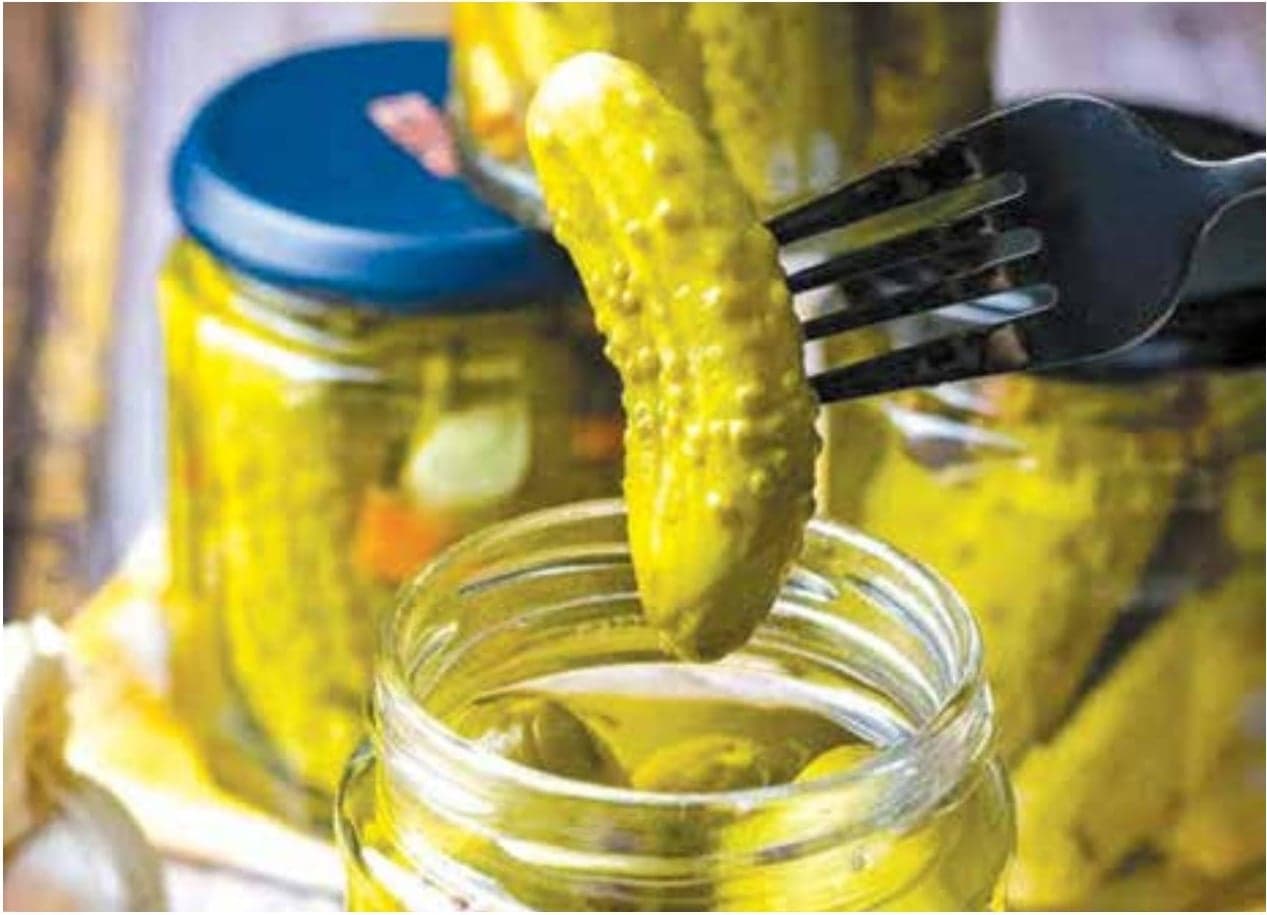
In a Pickle
In the “you can’t make this stuff up” department, 35-year-old Bobby Bolen of Niles, Michigan, was sentenced to 54 days in prison plus probation after barging into his then-friend Lee’s home, throwing him on the couch…
Beis Din and Halachic Process
Jewish customs: where they come from and how binding they are.
In the “you can’t make this stuff up” department, 35-year-old Bobby Bolen of Niles, Michigan, was sentenced to 54 days in prison plus probation after barging into his then-friend Lee’s home, throwing him on the couch…
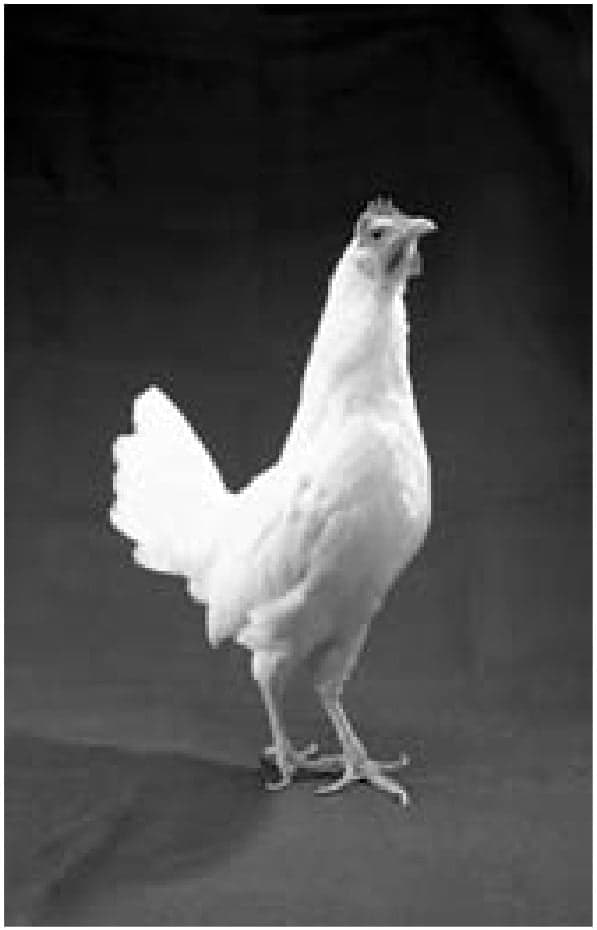
In 2004, the global kosher market experienced a sudden jolt over the ubiquitous Leghorn chicken. For decades, the white Leghorn had been the commercial gold standard for egg production in the United States and Israel.
An inquisitive youngster might ask his father, “Why don’t we eat giraffe?” The old, popular answer was that we simply don’t know where along the long neck to perform shechitah.
A bochur sat down for his festive Yom Tov night meal in the sukkah. He enjoyed a hearty seudah, sang some zemiros, and then bensched. Immediately afterward, he spoke with his rebbi.
I received a question about whether it is preferable to bake five pounds of flour once every three weeks, thereby fulfilling the mitzvah of hafrashas challah, and serve frozen challah for the subsequent weeks, or to…
My son came home with a questionnaire his rebbe had distributed. The students were asked to indicate their family’s minhagim regarding a wide range of practices at the Seder.
The initial disorientation was immediate. He had spent his life navigating the familiar geometry of the men’s section, dense clusters of seforim, well-worn shtenders, long tables etched with years of learning.
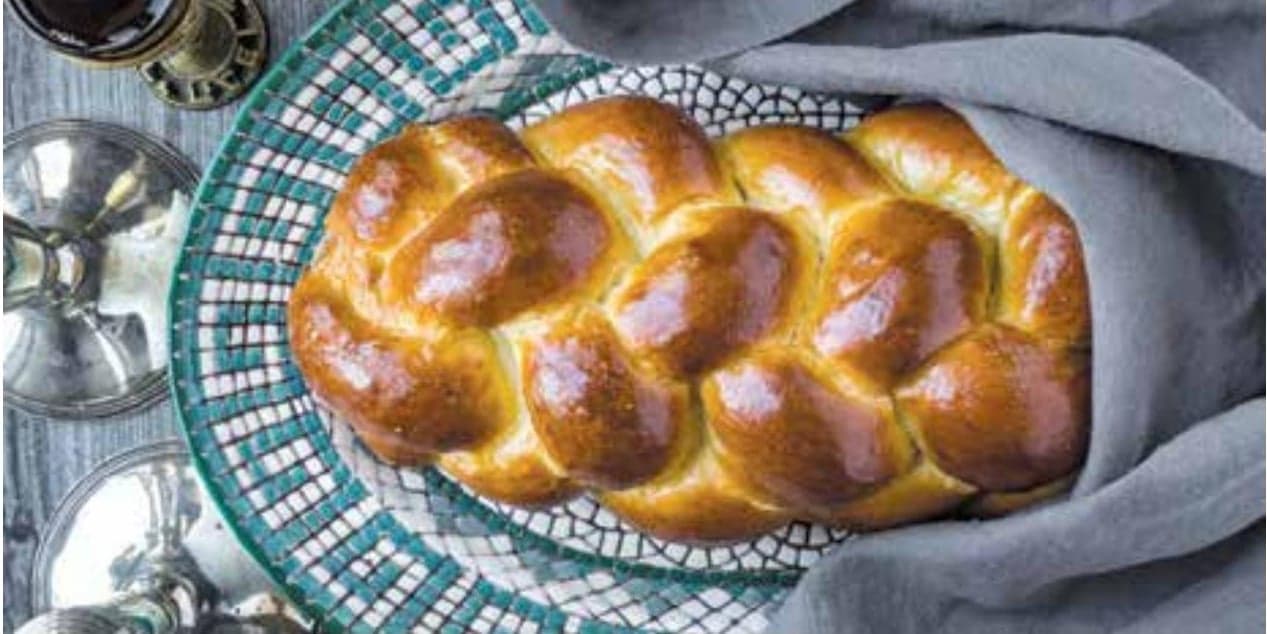
The Daf this week touched on the practice of covering the challah before the Shabbos meal (Pesachim 100a-b). Three reasons are offered for this practice. Tosfos cites two of them. The first is from Rav Achai Gaon.
There are two practices at the end of the Seder that are commonly associated with each other, though they are not necessarily connected.
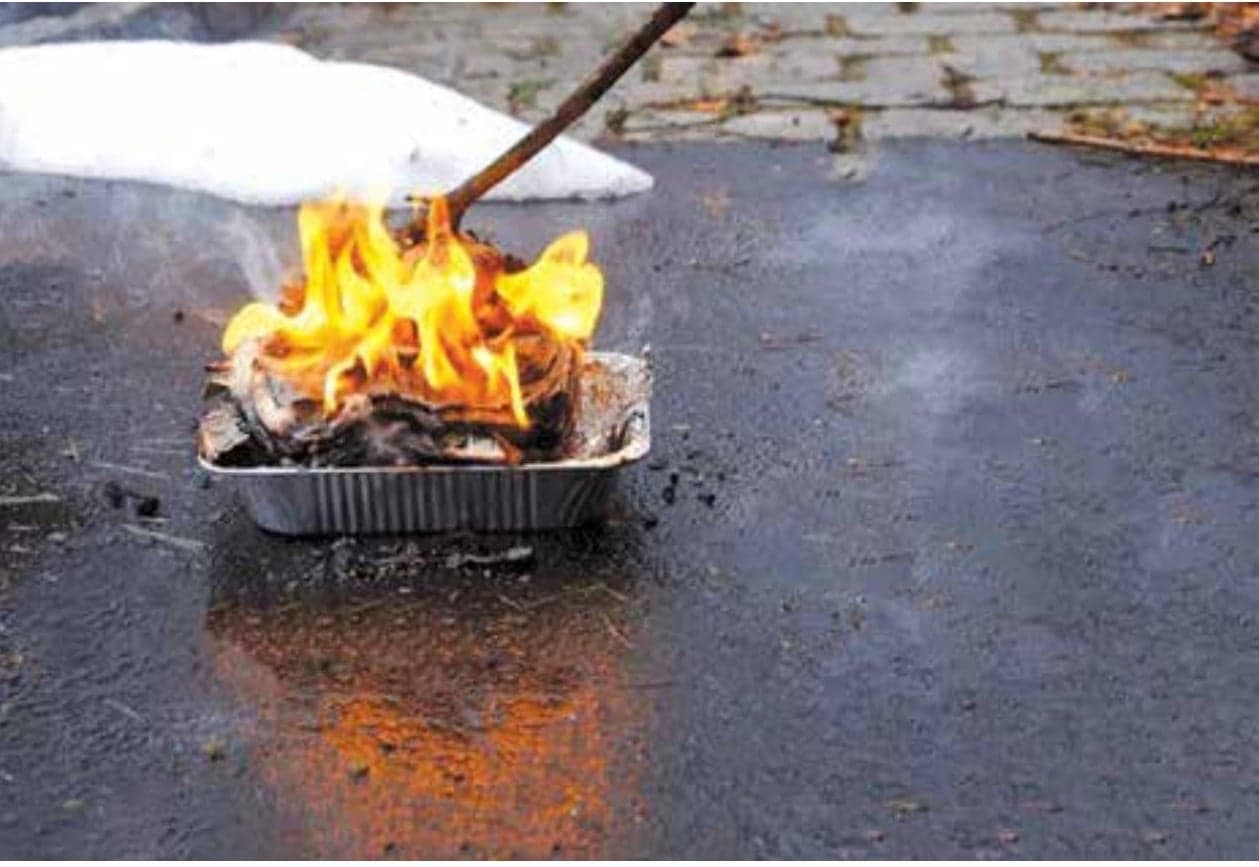
The following story takes place in an unincorporated community named Cracker Jack, located in Carroll Township, Washington County, Pennsylvania. It’s the afternoon of Erev Pesach.
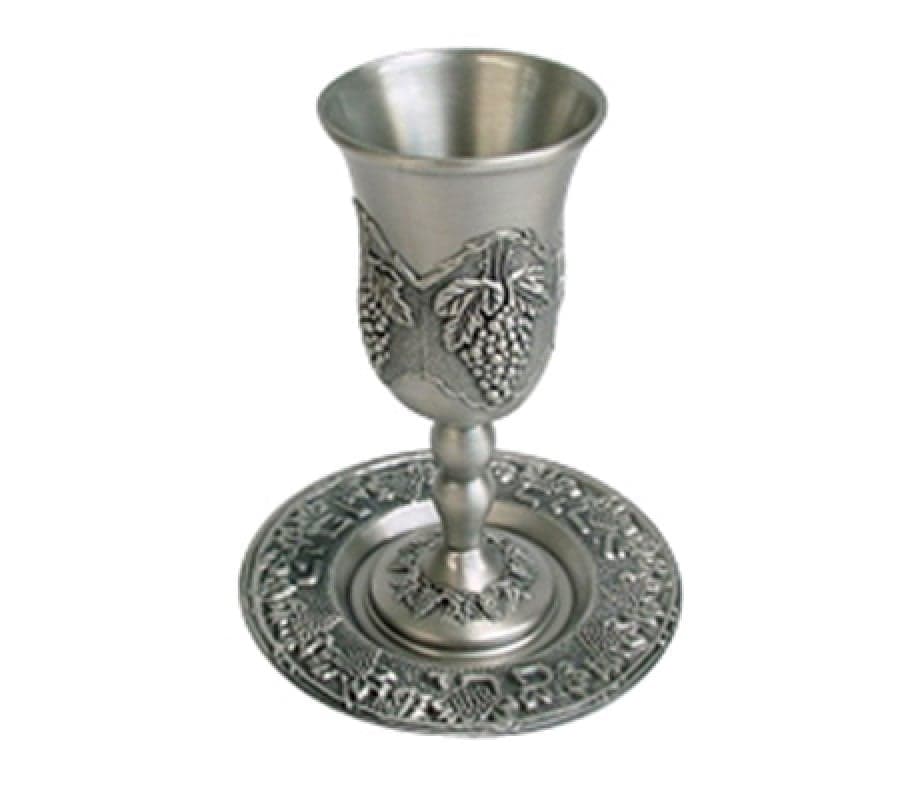
The common practice, particularly in Litvishe communities, is to recite kiddush exclusively over wine or grape juice. However, a differing custom is observed among many Chassidic circles, where kiddush is recited over…
Some people go to great lengths to find every siman listed in the machzor. One year, my wife asked me to buy black-eyed peas. The supermarket was sold out of the raw beans, but I managed to find canned ones.
An astute observer might notice that many Chassidishe wedding halls do not have mirrors in the men’s restrooms. The source for this practice can be traced to Masechta Avoda Zara.
At the end of elementary school, one young student resolutely decided to stop celebrating birthdays, feeling it was a frivolous custom reserved for little kids, like tagging along with the family to the zoo on Chol…
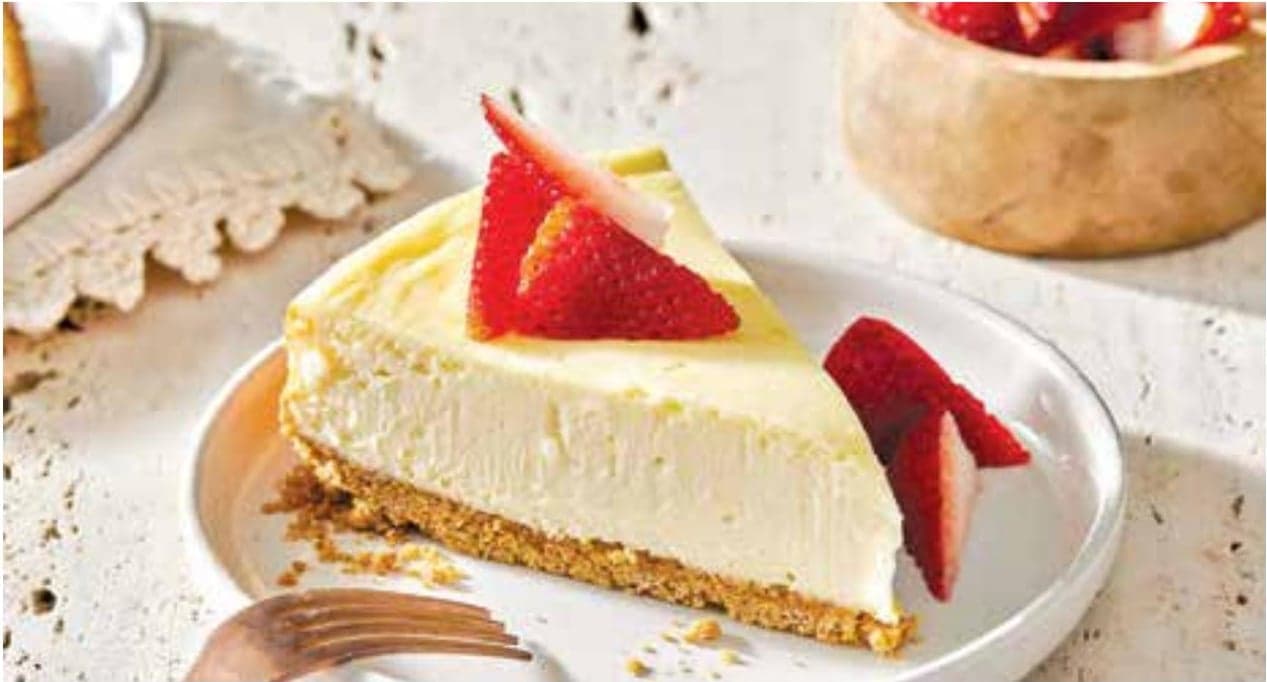
How does one prepare for the holiday of Shavuos? Should you experiment with various salmon recipes, dust off the milchig china, or gather the best cheesecake recipe?
The photograph accompanying this text captures a moment in the life of Rav Dovid Feinstein, zt”l. Standing solemnly over the East River, he is not simply admiring the view but is engaged in a spiritual act.
Enterprising thieves, in the times of the Gemara, seemed to always be able to catch up to the latest anti-theft trend. The Gemara goes through various measures a watchman was supposed to undertake to safeguard cash.
On erev Shabbos Parshas Bo, a Far Rockaway resident decided to bring a gift for his friend’s shalom zachar. He spent 35 minutes on the round-trip delivery route.
The following story takes place many years ago in Europe. It’s a true story that just hasn’t happened yet. Shimon: My father told me that my bar mitzvah is this week Parshas Noach. Boruch: Mazel tov!
At a typical wedding, there can be no doubt who the kallah is. But hundreds of years ago, a chassan got himself into a jam due to a lack of specificity.
R’ Eli Stefansky recently publicized an interview he had with a Nazir Shimshon. Although the Nazir’s wife was not present at the interview, she was a Nazirah Shimshon as well.
Daf Yomi learners just finished Masechta Nedarim and started Masechta Nazir. Those who learn Amud Yomi may feel bad that they didn’t cover as much ground and are not finishing yet another masechta.
The boy spent weeks in preparation for his bar mitzvah. When the moment arrived, he relished the opportunity to read the Torah. He had finally achieved adulthood. He was now a full card-carrying member of the tzibbur.
A visitor to the Munkacser beis midrash might see a bizarre sight. He might notice his friend Mr. Katz davening Shacharis there on Monday morning.
Mazal tov to all those who finished Maseches Yevamos. We began Maseches Kesuvos on Friday. I remember that a few minutes after I was engaged and we had a mock l’chayim ceremony, my future shvigger opened her notebook.
The following questions were posed to Sar HaTorah Rav Chaim, zt”l. Rav Chaim wrote a letter regarding the publication of questions posed to him.
Shammai’s daughter-in-law gave birth over Succos (Yevamos 15a). She was recuperating in the house. Shammai managed to make a hole in the roof over the bed she was resting in and placed s’chach over that hole.
Rabbi Yisroel Besser once wrote about his experience standing on the other side of the mechitza. He was attending his daughter’s graduation, and the primary event was for mothers only.
After Shacharis in shul, some have the custom to put out “tikkun”: liquor, herring, and cake for breakfast, in memory of a loved one. It is always fascinating to watch people drinking a l’chaim on an empty stomach.
Some people always looking for creative excuses for failing to show up for work or completing their projects. The wicked Haman told Achashveirosh that the Jews are always saying that they are too busy for work.
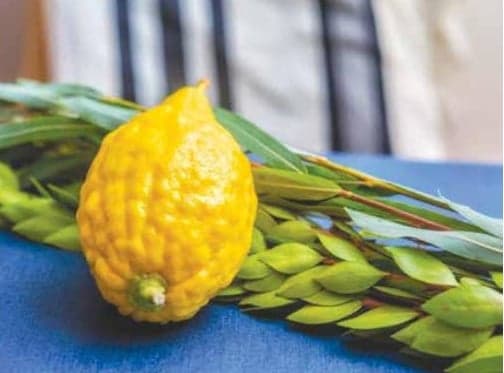
Shimshon picks up his lulav and esrog on the first day of Sukkos. However, the pitum is facing the floor. Boruch: Shimshon, your esrog is upside down!
I always marvel at the plethora of new Pesach products that come out every year. Canned charoses is one that I haven’t seen until this year.
Years ago, a Litvishe individual was on his way to Camp Sternberg, a girls’ camp in Narrowsburg, New York. Although there were married men on campus, it was always difficult to find ten men for the minyanim.
This story may have taken place in 2008, the last time erev Pesach fell out on Shabbos. It takes place between a wise son and his father on the Seder night.
In the English language there is an order for descriptive words. Most native English speakers have acquired an innate feel for the right way to express a sentence.
There is a well-known line we recite in the beginning of the Haggadah in the paragraph of Ha Lachma Anya. “Anyone who wants, may come and eat; anyone who wants, may come and join in the Pesach.” Seemingly, this line is…
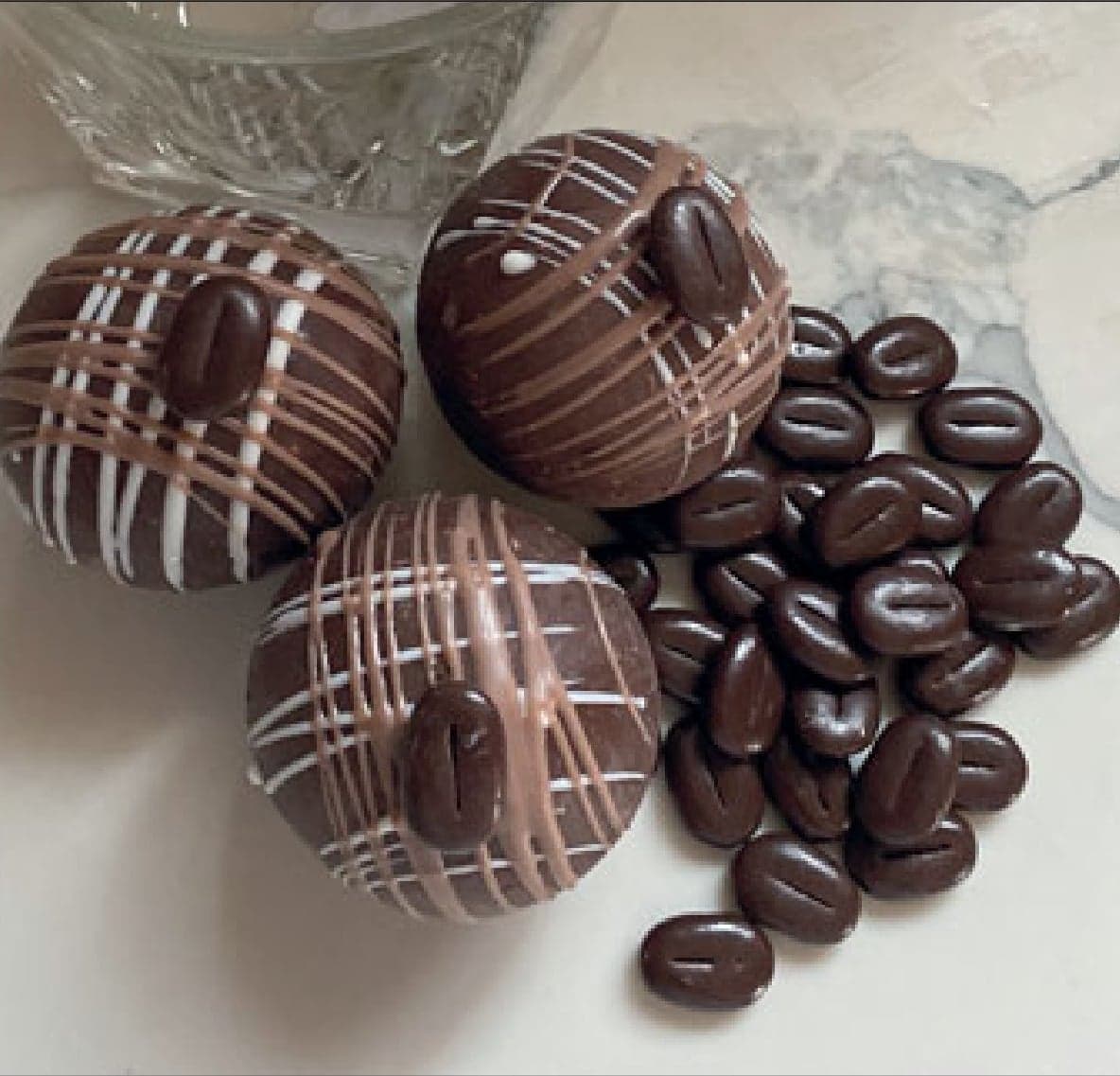
Kutach haBavli and espresso-infused chocolate bombs. Seemingly, these two food items have nothing to do with each other. However, kutach haBavli sheds light on an interesting halachic point related to the…
An interesting Pesach product that will take on added relevance this year is egg matzah. Is egg matzah kosher l’Pesach? Can egg matzah be used to fulfill the biblical mitzvah of matzah on the night of the Seder?
If you found an object from the 1300s it would be pretty interesting. Still, in Israel, a land full of archeological marvels, 700 years is not a long time.
Being of Litvish stock, I always insist on making Kiddush on grape juice or wine. However, occasionally I attend a Kiddush where wine and grape juice are hard to come by.
The Kol Bo writes that there is a custom to eat zironim on Purim night. Zironim is commonly translated as legumes or seeds. The seeds are reminiscent of the food that Daniel, Chananya, Mishael, and Azariah ate when they…
An astute observer might have noticed that chassidishe wedding halls often do not have mirrors in the men’s restrooms. The source for this practice can be found in Avodah Zara.
Some people go all out trying to find every last siman listed in the Machzor. One year my wife told me to purchase black-eyed peas. My local supermarket was sold out of the raw beans, but I found the canned ones.
Over 111 million people watched the Super Bowl on Sunday last week. Anecdotally, many of them were equally interested in the commercials.
There is a commonly accepted custom to eat only pas Yisrael during the Aseres Yemei Teshuvah. Our bread, bagels, cakes, and muffins should all come from Jewish bakeries during the Ten Days of Repentance.
If a woman is lighting more than one light for Shabbos, why does she recite “L’hadlik ner shel Shabbos”? Ner is the singular form. Shouldn’t the correct text be l’hadlik neiros?
The story is told that someone approached the Chasam Sofer with a dilemma. This man had a Torah scroll in his possession, but he was unsure if the scribe who wrote it was Jewish, or if perhaps it was written by a…
Kol Nidrei, the well-known Yom Kippur tefillah, should not actually be said on Yom Kippur, according to the Rema. However, there is some debate as to the exact reason.
The Gemara relates that there was a question that plagued Rabbah and Rav Yosef for 22 years. Rashi notes that the number 22 was not coincidental. Rabbah served as rosh yeshiva for 22 years before he passed away.
In some yeshivos and shuls there is a custom that certain kibbudim on Simchas Torah are sold not for money, but rather for commitments to learn Torah.
The second perek of Maseches Megillah starts by discussing the laws of someone who read the Megillah l’mafreiah. If someone read the Megillah out of order, he has not fulfilled his obligation.
People frequently ask if one is permitted to shower or bathe on the 17th of Tammuz, Asarah B’Teves, or Tzom Gedaliah. A daf learned this week by daf yomi participants may shed some light on this issue.
What do Chanukah and Purim have to do with daf yomi Sukkah? Maseches Sukkah begins with the halachah that a sukkah that is taller than 20 amos (between 30 and 40 feet) is invalid.
During the Pesach Seder, we fulfill the mitzvah of repeating the events surrounding our exodus from Egypt. To involve the children, there are practices specifically geared towards them.
In the summer months, I often arrive home from shul after making an early Shabbos and find someone dressed in Shabbos clothing looking around for a Jew who hasn’t accepted Shabbos yet.
It was widely reported a number of months ago that One World Trade Center, which recently laid claim to the title of New York City’s tallest building, might not become America’s tallest building.
There is a widespread custom mentioned by the Rema (296:1) to spill some wine by Havdalah as a good omen for blessing. However, this custom has many poskim seeing red.
The Gemara in Shabbos teaches us that one is not allowed to expend any effort on Shabbos to feed animals that are not his. The Mishnah Berurah therefore questions the custom some have of feeding the birds on Shabbos…
A Gemara in the middle of Berachos reminded me of a lesson I recently learned in humility and judging favorably. The Gemara says that Hashem’s kingship is mentioned extra times in the fourth blessing of bentching.
My first lesson in how people are wary of shadchanim came when I spoke to my uncle about a prospective shidduch for his daughter. I described the bachur as being five-foot-six.
In the “You can’t make this stuff up department,” 35-year-old Bobby Bolen of Niles, Michigan was sentenced to 54 days in prison and given probation after he barged into his then-friend Lee’s home, threw him on the…
Those who cannot remember the past are doomed to repeat it. It is with this in mind that I bring to your attention an incident that occurred in 2004.
There are words that lose their original definition over time and take on a different meaning. This is certainly true of Yiddish words that have become standard in our vocabulary.
Daf yomi learners began Chulin last week. Chulin is required learning for those studying for semichah. It primarily deals with issues relating to the preparation of kosher meat.
There are certain minhagim that men should keep in their back pocket. One such example is the mitzvah of tasting Shabbos food on Friday.
There are many mysteries surrounding Rebbi Yehuda HaChassid. Questions about his life abound. Even his will has raised many difficulties.
A friend of mine, who earned his CPA a few years ago, told me about his recent dilemma. He was looking for an accounting job starting in the fall, so he applied for a job at several firms.
Rabbi Zeira fasts a hundred fasts and slips away from his rebbe Rav Yehudah to settle in Eretz Yisrael, then eats meat Bavel would forbid, following his new home's custom.
When his grandson began drying off wet grapes before eating them, Rav Moshe Feinstein told him it was unnecessary, following the custom not to wash for wet foods.
Asked whether a Sefer Torah was written by a Jew, the Chasam Sofer replies with a pun: check the last column, where Jewish custom has many people write letters.
In an English shul that resists change because 'Rav Unterman didn't do it,' Rabbi Rothberg builds sukkah walls of stacked chairs, and learns who did it first.