The Great Tefillin Divide
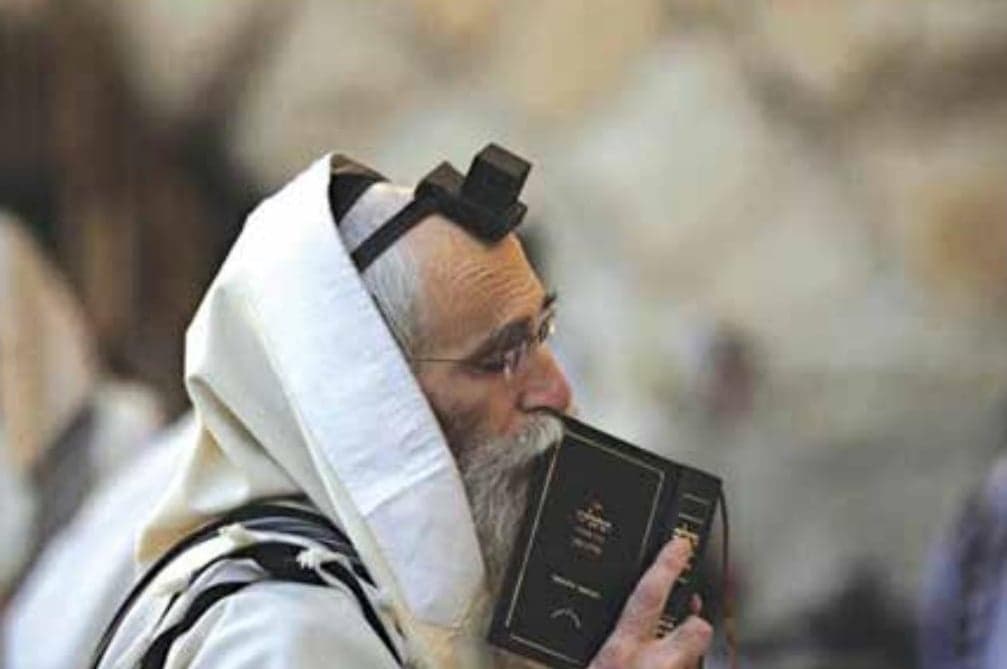
Rabbi Yisroel Besser once wrote about his experience standing on the other side of the mechitza. He was attending his daughter’s graduation, and the primary event was for mothers only. While standing on tippy toes, he was able to get glances of the happenings. Depending on what their minhag is and the shul they choose to daven at, other men may experience this every chol hamoed. This is the Great Tefillin Divide. Some people put on tefillin on chol hamoed, while others do not. While in some places it is considered halachically acceptable to have men with tefillin praying together with men without tefillin, others frown upon this practice. One shul puts up a special mechitza running down the middle of shul, so the space for the tefillin wearers and non-wearers is separate but equal. However, in some shuls, men who are not following the shul’s custom must daven behind the regular mechitza on chol hamoed.
According to some, the Great Tefillin Divide is predicated on a separate machlokes. Is chol hamoed viewed as a yom tov min haTorah or not? The question can be further refined as: is the obligation to refrain some labors on chol hamoed biblical or rabbinic?