A Snag in the Plans
Boruch stepped into the shared backyard, hammer in hand, ready to build his beautiful sukkah. But as he looked up to map out his airspace, he noticed a major snag.
Beis Din and Halachic Process
How halacha is decided: rules of psak, asking a rav, and disagreeing poskim.
Boruch stepped into the shared backyard, hammer in hand, ready to build his beautiful sukkah. But as he looked up to map out his airspace, he noticed a major snag.
The following is based on a true story. Nathan comes home from his out-of-town dormitory and loudly declares, “I’m starving!” His mother gently reminds him that he managed for a few months on his own and could fend for…
In the “you can’t make this stuff up” department, 35-year-old Bobby Bolen of Niles, Michigan, was sentenced to 54 days in prison plus probation after barging into his then-friend Lee’s home, throwing him on the couch…
A friend of mine once noticed a peculiar habit of his mother-in-law: whenever watermelon was served for dessert at a Shabbos meal, she would always eat it with a challah.
A bochur sat down for his festive Yom Tov night meal in the sukkah. He enjoyed a hearty seudah, sang some zemiros, and then bensched. Immediately afterward, he spoke with his rebbi.
As the French army retreated from the frozen outskirts of Moscow in 1812, Napoleon Bonaparte, the man who had once rearranged the map of Europe, was reduced to a fugitive.
Many people wear two pairs of tefillin — Rashi and Rabbeinu Tam. The question arises whether one may wear both pairs at the same time. The Shulchan Aruch rules that one may.
Shimon and Boruch wiped their hands clean after finishing their deli sandwiches. Shimon leaned back, satisfied, and said, “OK, let’s do the daf.
An individual was applying for a rabbinic position upon the receipt of his semichah. Apparently, the members of the congregation with the open position weren’t too learned.
The Daf this week touched on the practice of covering the challah before the Shabbos meal (Pesachim 100a-b). Three reasons are offered for this practice. Tosfos cites two of them. The first is from Rav Achai Gaon.
The very first paragraph in Shulchan Aruch expounding the laws of Minchah raises the following question: “What if there is barely any time left for Minchah?” How appropriate!
Recap: Boruch called Shimon a sheigetz for eating popcorn and peanuts on Erev Pesach, when chametz was already forbidden. Shimon politely explained that his posek ruled that popcorn is permitted, and peanuts are not…
The following story takes place in an unincorporated community named Cracker Jack, located in Carroll Township, Washington County, Pennsylvania. It’s the afternoon of Erev Pesach.
The Shulchan Aruch (Orach Chaim 98:4) writes that tefillah, specifically the Shemoneh Esrei, is comparable to the offering of a korban. “Prayer stands in place of the sacrifice.
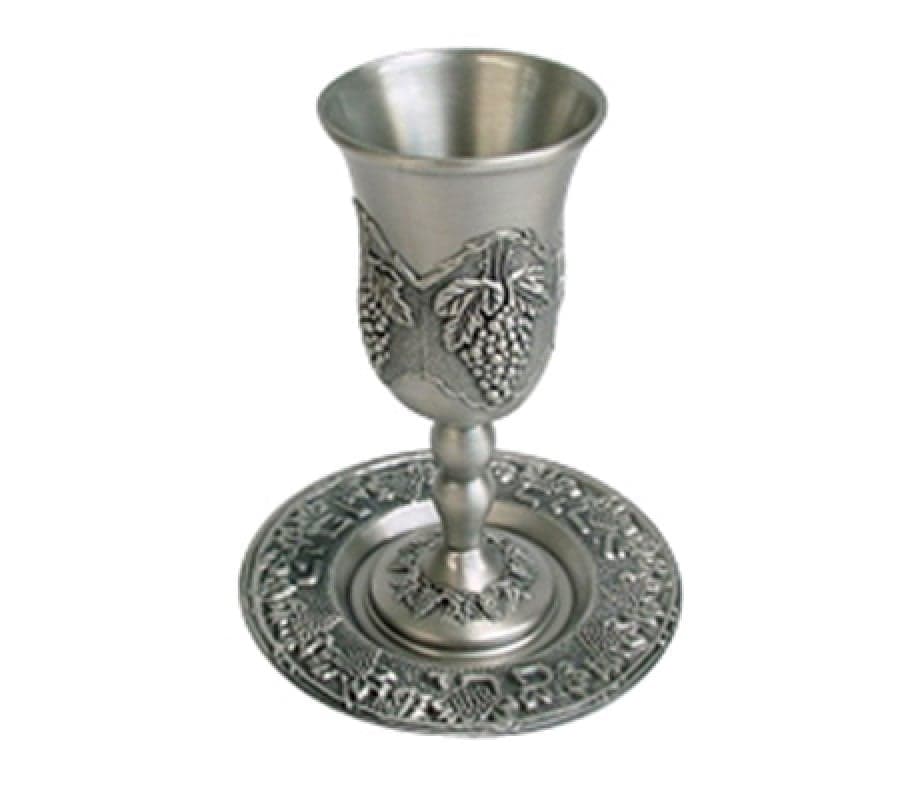
The common practice, particularly in Litvishe communities, is to recite kiddush exclusively over wine or grape juice. However, a differing custom is observed among many Chassidic circles, where kiddush is recited over…
It was an electric moment. The 50th Anniversary Dinner for Yeshiva Darchei Torah was already underway, but a buzz suddenly rippled through the room: HaRav Reuven Feinstein, shlita, had just arrived.
The Air Up water bottle is a reusable drinking bottle designed to make plain water taste flavored through scent-based technology. It uses special “aroma pods” that sit on the mouthpiece and release natural scents as you…
The Gemara in Avodah Zarah discusses the fact that Rabban Gamliel owned pictures of the moon. These images facilitated the questioning of witnesses who came to testify about the new moon.
An astute observer might notice that many Chassidishe wedding halls do not have mirrors in the men’s restrooms. The source for this practice can be traced to Masechta Avoda Zara.
The 2000 presidential election was one of the closest contests in U.S. history, ultimately hinging on the results in the state of Florida. In that state, George W.
The following was inspired by a true question posed to the Beis Shlomo. Boruch recently completed Daf Yomi and studied Shavuos 17, where the Gemara considers whether the airspace above the Beis HaMikdash shares its…
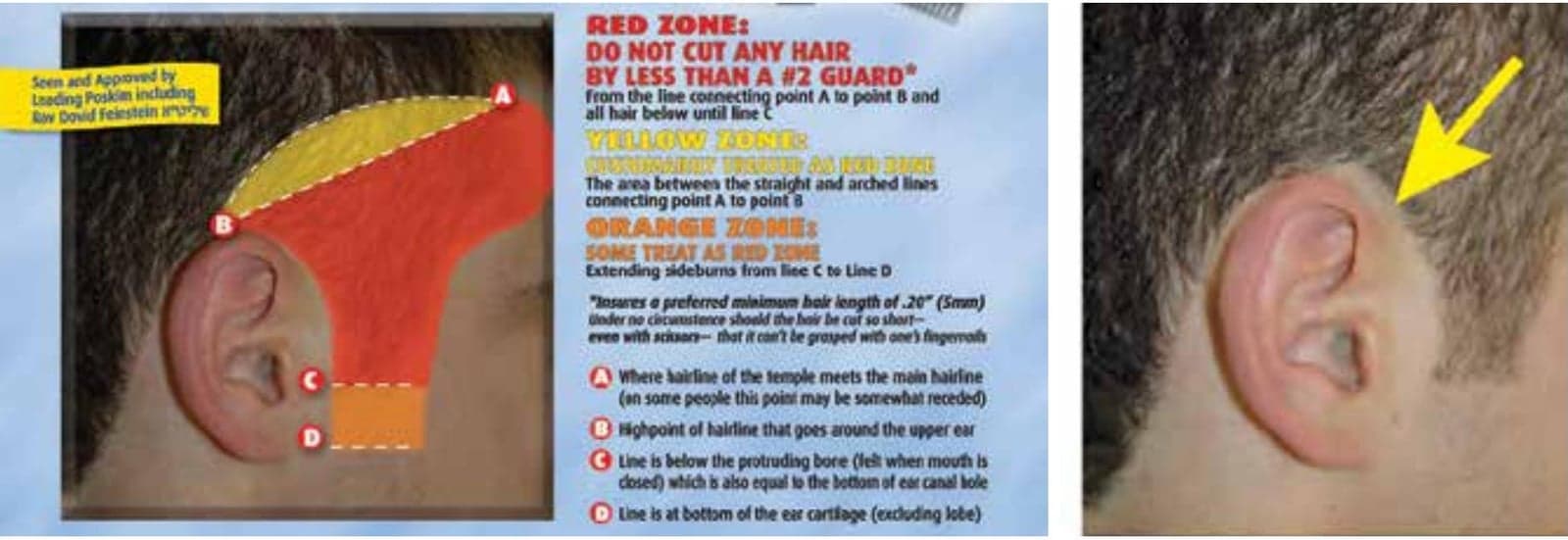
The Rambam uncharacteristically adds a reason to the prohibition against cutting peyos. He says it is because the idol worshippers used to cut off their peyos.
Rebbetzin Leah Auerbach, a”h, once visited a glasses store in Yerushalayim to purchase a new pair of glasses. She was considering photochromic lenses, which darken in sunlight and return to their clear state indoors.
Deep in the Alaskan wilderness, Camp Tikvah hosts a remote Pesach retreat. Families gather to celebrate, their voices echoing with joyous songs and Torah discussions.
Does Romaine lettuce have anything to do with detergent, stoning, and putting on pants? Lettuce be clear: the Shulchan Aruch says they do.
Jay Shafer has been living in a house smaller than some people’s closets since 1997. His decision to inhabit just 89 square feet arose from his concerns about the impact a larger house would have on the environment.
Last week’s article generated comments from readers, especially since the article ended with a statement that a blech was recommended for the use of a crockpot on Shabbos.
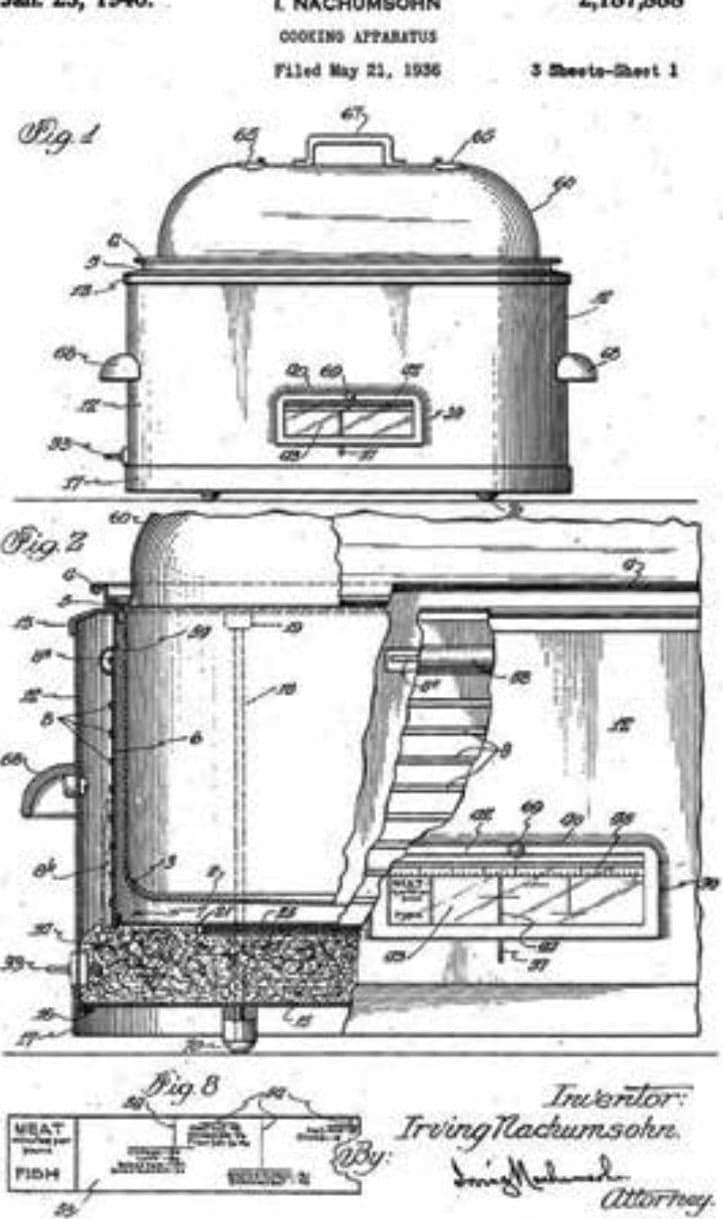
When Irving Nachumson filed for a patent in 1936, could he have imagined that his invention would be the center of a major halachic controversy sixty years later?
Often, the Gemara faces a halachic question that it can’t resolve. In that situation, the Gemara declares, “Tayku!” The simplest explanation of that word is that the question should stand.
A shepherd deserts his flock for a quick break. While he is gone, a wolf eats one of the sheep. To determine if the shepherd is liable, we evaluate whether the shepherd could have fought off the wolf had he been there.
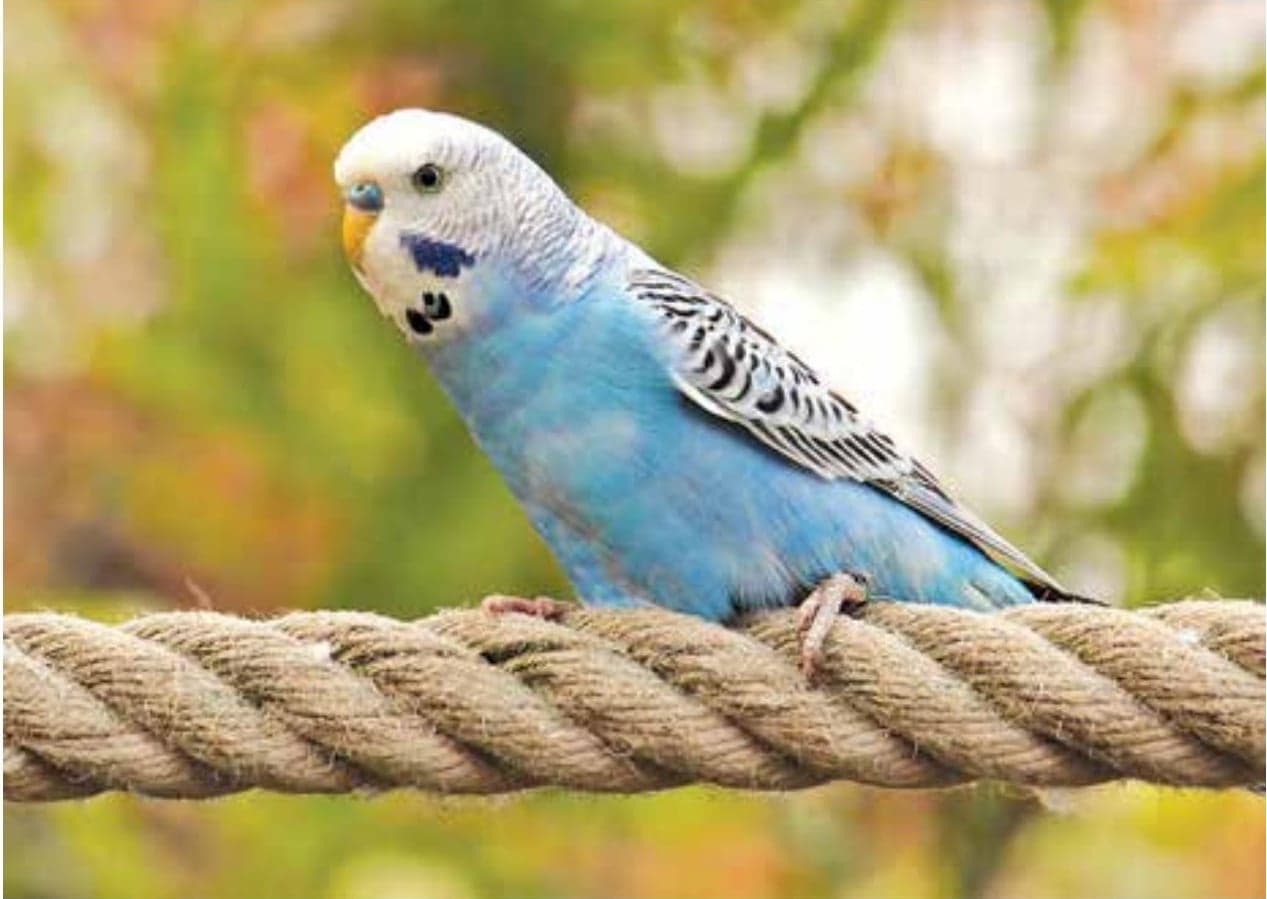
While the Daf continues plowing through Bava Metzia, many monetary topics are studied. Interestingly enough, someone once asked Rav Yaakov Hagiz (1620-1674) a question about whether a singing bird was muktzeh.
Enterprising thieves, in the times of the Gemara, seemed to always be able to catch up to the latest anti-theft trend. The Gemara goes through various measures a watchman was supposed to undertake to safeguard cash.
There is a well-known prohibition against cutting down fruit trees needlessly. Indeed, many non-Jewish gardeners are even aware of this.
Kimby wandered the streets of Ladispoli, Italy, in early November. It was evening, and few people were around. Kimby didn’t get into any trouble. It was a good thing too, since Kimby was an escaped circus lion.
Boruch: Mazel tov on finishing Seder Nashim and half of Shas with daf yomi! Shimon: Thank you. Our continued learning should be a tremendous source of merit for the salvation of klal Yisrael. Boruch: Amen.
At a typical wedding, there can be no doubt who the kallah is. But hundreds of years ago, a chassan got himself into a jam due to a lack of specificity.
There is an oft repeated story involving Rav Moshe Feinstein, zt”l. Rav Moshe was attending a bris. There were two cartons of chalav Yisrael milk in front of him, from two competing brands with different hechsherim.
The Daf this week and specifically Tosfos’s explanation (Gittin 83a and 84a) deal with a paradox of sorts. The result of an action causes that very action to be invalid, which accordingly negates the result.
All those teachers who complain that their students frequently doodle may find some solace in the Gemara (Gittin 36a). The Gemara says that Rav would frequently draw a picture of a fish.
The following article is based on Gittin (11b-12a) and Chashukei Chemed on Bava Metzia (10a). The article is intended to engender discussion and not to provide halachic guidance.
Every once in a while, one reads an article that is life-changing. There may be a halacha article that raises important points the reader was not aware of.
Rabbi Shragga Kallus delivered an enthralling and engaging lecture filled with Torah riddles. One such riddle was: “What are two scenarios where a person would answer ‘amein’ in the middle of his private Shemoneh…
The Torah permits a person to annul his vows with the assistance of a chacham or beis din. One method of annulling a vow is by finding a “pesach,” literally an opening.
The Gemara in Nedarim (7b) says, “Rav Chanin said in the name of Rav: Whoever hears the utterance of the Divine name [in vain] from his friend has to excommunicate him.
Unfortunately, there was recently a restaurant that was found to be serving treif under the guise of kosher. Rav Moshe, zt”l, ruled that if an individual had a halachic basis to believe a restaurant was kosher and it…
Very often, the Gemara pairs together totally unrelated topics because they have one common denominator. Recently on the daf, we had a collection of unrelated beraisos.
One mantra that is often repeated in halacha is that nothing supersedes saving a life. Therefore, it is somewhat surprising that a recent Gemara (Kesubos 39a) seems to take a contrarian view.
In the first perek of Kesuvos, there is a lengthy exposition on Sheva Brachos. What follows is some selected halachos regarding Sheva Brachos with a focus on the psakim of Rav Moshe Feinstein, zt”l.
Lefties have it hard in a world that is made for righties. Starting in school, students encounter desks that are made for righties. There are one-piece desks where the student enters the desk on the left side and is…
The Torah awarded kohanim with terumah gifts. After terumah was separated from freshly grown Israeli produce, the farmer would separate 10% of what remained and give that to a Levi. This is termed Ma’aser Rishon.
The following questions were posed to Sar HaTorah Rav Chaim, zt”l. Rav Chaim wrote a letter regarding the publication of questions posed to him.
Sometimes, while learning Talmud and the commentaries, one can uncover new facts about the events recorded in Tanach. Tosfos in Yevamos (21a) states that Dovid HaMelech married the former wife of Shaul HaMelech, Ritzpah…
Rabbi Yisroel Besser once wrote about his experience standing on the other side of the mechitza. He was attending his daughter’s graduation, and the primary event was for mothers only.
In the eighth volume of the Igros Moshe, there is a fascinating teshuvah written to Rav Efraim Greenblatt, zt”l. This teshuvah, which is the 20th one in the sefer, comprises many varied and disparate topics.
The Gemara in Succah (5a) is attempting to find a source that the minimum height of a succah is ten tefachim (30-40 inches). Tosfos opines that the same source will apply to walls that enclose a domain for the purposes…
During this pandemic, many minyanim have taken place outdoors. Some of these ad hoc minyanim don’t have enough chairs, and it can be very enticing to lean on a tree for some relief.
Klal Yisrael suffered a tremendous loss last week with the passing of Moreinu Rav Dovid Feinstein, zt’l. There will be much written, be’H, about the gadol ha’dor.
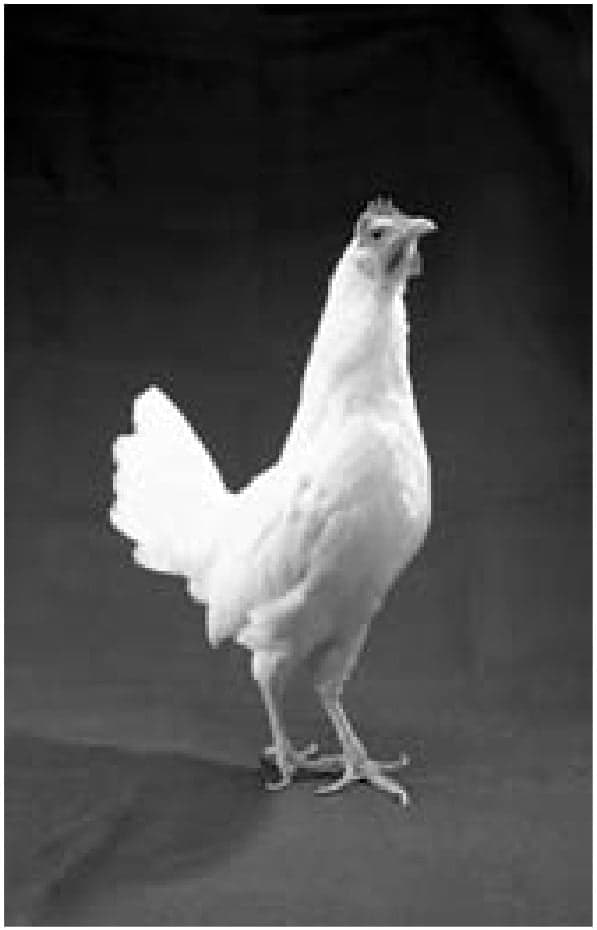
In 2013, the Leghorn chicken was the subject of a kashrus controversy. In 2017, the Braekel chicken was the subject of another kashrus controversy.
In the stores these days, there are myriad varieties of candles and oils to use for Chanukah lights. However, it is clear that the choicest way to fulfill the mitzvah of lighting the menorah is to use olive oil.
Over 25 years ago, I walked into Angel’s bakery on Rechov Shmuel HaNavi. My friends and I had gathered funds together to purchase a birthday cake for another mutual friend.
This article is in the zechus of a refuah sheleimah for Minna Chana bas Sara Feigeh. The Daf (Menachos 58a) discusses the prohibition of mixing honey into offerings that were brought in the Beis HaMikdash.
A question that has been discussed in recent years is the appropriateness of entering Har HaBayis. The Gemara records a dispute whether or not someone is liable for kareis by offering a sacrifice to Hashem outside the…
When Chofetz Chaim Yeshiva was located in Forest Hills, the beis midrash was mostly underground. There were windows, but they were located near the ceiling and had to be opened using a ten-foot pole.
Being of Litvish stock, I always insist on making Kiddush on grape juice or wine. However, occasionally I attend a Kiddush where wine and grape juice are hard to come by.
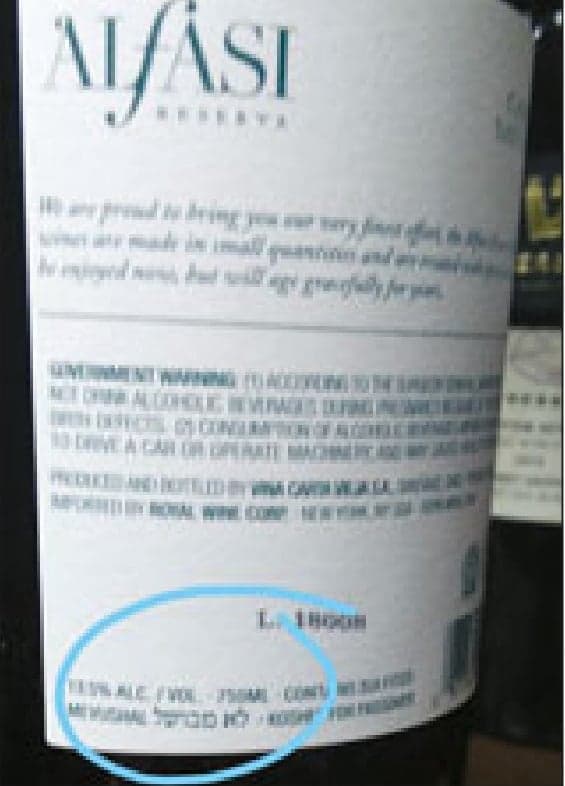
A kosher bottle of wine is being sold with a label that states in Hebrew “Lo Mevushal.” However, in English it states “Mevushal” (see accompanying photo). How can wine be both mevushal and non-mevushal simultaneously?
The following story is based on a question in Chashukei Chemed. It was synthesized with a story appearing in a Hebrew weekly periodical.
Note: This article discusses serious halachic and philosophical issues. It is not my intent to provide guidance to anyone in a particular situation but rather to engender discussion.
Mazel tov to all those who finished Bava Basra! It was especially monumental considering that Bava Basra is the longest mesechta in Shas, by the number of pages.
Is Hallel recited on Purim? Of course not; it’s that simple! Or is it? The Gemara in Megillah (14a) tells us that the sages were motivated to institute the reading of the Megillah from the laws of Pesach.
The Gemara has a fascinating discussion about miracles happening to ordinary individuals. A shepherd deserts his flock for a quick break. While he is gone, a wolf eats one of the sheep.
The Gemara records an incident where Rav Huna admonished his son Rabbah for not studying under the guidance of Rav Chisdah, whom Rav Huna considered an exceptional scholar.
Rav Meir ben Isaac Katzenellenbogen (1482–1565), the Maharam Padua, was an Italian sage born in Katzenellenbogen. He went to Padua and entered the yeshiva of Rav Yehuda Minz, and he married Rav Yehudah’s granddaughter…
Many times I have heard this same story involving Rav Moshe Feinstein, zt’l. Rav Moshe was attending a b’ris. There were two cartons of chalav Yisrael milk in front of him, from two competing brands with different…
The story is told that someone approached the Chasam Sofer with a dilemma. This man had a Torah scroll in his possession, but he was unsure if the scribe who wrote it was Jewish, or if perhaps it was written by a…
There is a dispute between Rav and Shmuel as to whether or not one is permitted to precisely measure flour on yom tov for the purpose of baking. Shmuel is of the opinion that flour may not be measured.
It was widely reported a number of months ago that One World Trade Center, which recently laid claim to the title of New York City’s tallest building, might not become America’s tallest building.
After a nice hot kiddush, people like to stand outside of shul and schmooze. It can be tiring and hard on one’s feet. It would be great to find something to lean on.
Have you ever heard a wonderful d’var Torah and told the speaker, “That’s a good vort!”? It may be a good vort, but your praise may not be so good. The Gemara in Shabbos records an interesting dialogue.
We sometimes assume that the focus on teaching techniques is a recent phenomenon. After all, in ancient times didn’t students just learn because it was expected of them?
The beginning of this dramatized conversation has its roots in a conversation recorded in the Talmud between two Amoraim: Boruch: I’m in that national berachos bee and I’m really studying hard!
The following is a dramatization of a true story that took place around 1675: Chavvos Yair (Rav Yair Chaim Bachrach, 1638–1702): Thank you all members of the Chevrah Lomdei Mishnayos for coming together for this special…
Two weeks ago we learned some interesting topics in the daf that touched on some raging controversies affecting kashrus today. One such Gemara was about the kashrus of sheratzim found in pits of water.
Those who cannot remember the past are doomed to repeat it. It is with this in mind that I bring to your attention an incident that occurred in 2004.
Imagine walking past a popular kosher bakery that has a sign that states “Yashan.” A passerby who doesn’t speak Hebrew asks you what it means.
Shmuel tastes wine in the dates his sharecropper brings, learns the palms are sapping his grapevines, and orders the date palms cut down.
Asked whether he is sharpening or cleaning his knife on Yom Tov, Rava says only cleaning, hiding a leniency that may be kept but not taught.
An animal with a partly cut windpipe comes before Rav, who leaves it undecided; Rabba bar bar Channa then rules it kosher and even buys its meat.
A homeowner hoped to save money by putting an eruv-style string doorframe around his roof instead of a fence. Rav Moshe Feinstein's answer was short and plain.
The Vilna Gaon tells the author of Teshuvos Shmuel that a minor's kiddushin is meaningless, and one hint about Maseches Parah settles the scholars' challenge.
Buying photochromic glasses, Rebbetzin Leah Auerbach is torn: her father Rav Elyashiv avoids them on Shabbos, but her father-in-law Rav Shlomo Zalman permits them.
Two men each claimed Rav Dovid Feinstein gave a different ruling on wearing a watch on Shabbos without an eiruv, until he explained they asked different questions.