The Emperor’s Used Clothes – For the Aron Kodesh?
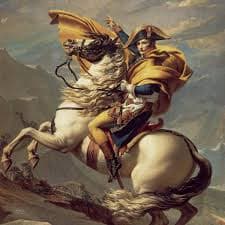
As the French army retreated from the frozen outskirts of Moscow in 1812, Napoleon Bonaparte, the man who had once rearranged the map of Europe, was reduced to a fugitive. In the tiny village of Mogilev, a Jew named Reb Yosef Luria found himself face-to-face with a weary rider who claimed to be the Emperor himself. Reb Yosef showed the rider the utmost hospitality, feeding him and guiding him through the treacherous forest paths to safety. In a gesture of profound gratitude (and perhaps also to rid himself of a garment that made him an easy target for Russian snipers), Napoleon handed Reb Yosef his magnificent royal cloak, a masterpiece of velvet, gold trimmings, and intricate embroidery.
On his journey home, Reb Yosef was accosted by robbers. He appeased them by giving them the gold buttons and trimmings of the cloak. Upon returning home, Reb Yosef realized he could not keep the cloak openly, for fear the Russians would discover it and declare him a traitor. Eventually, he sent the cloak to Eretz Yisrael.
Decades later, that very cloak was fashioned into a paroches in Yerushalayim. Apparently, there is some corroborating evidence that at least parts of this story are true.