Preparing for Shavuos: More Than Just Cheesecake
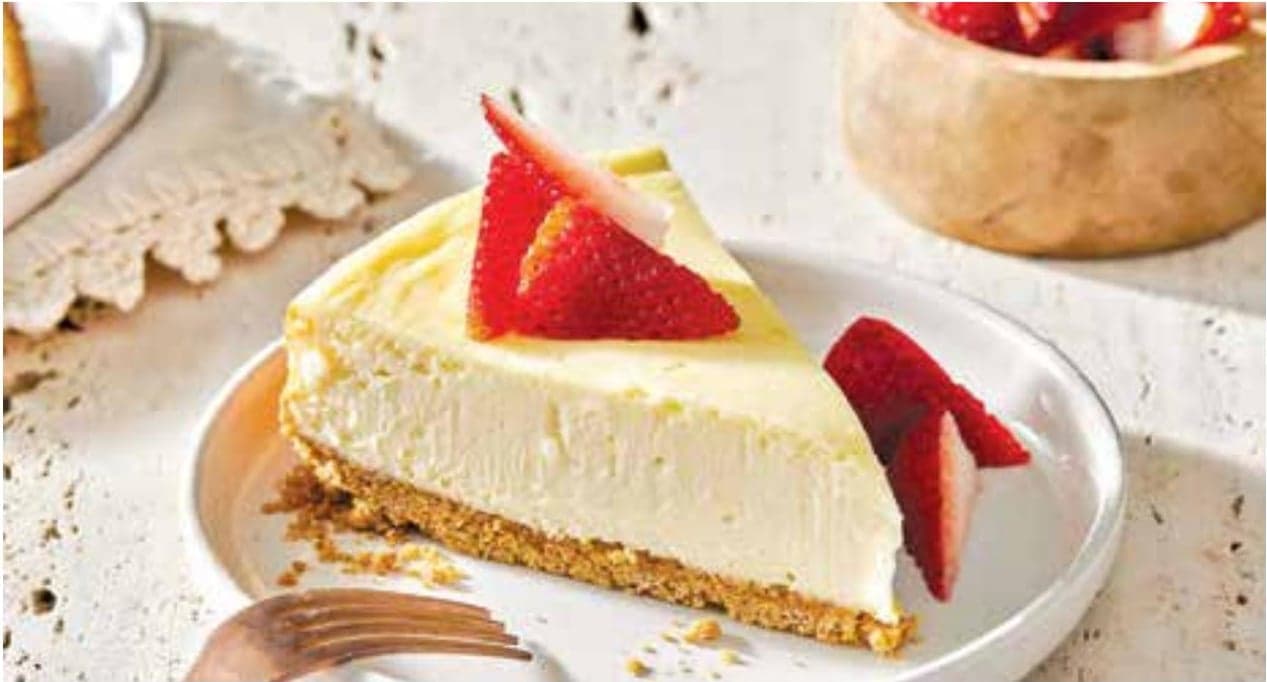
How does one prepare for the holiday of Shavuos? Should you experiment with various salmon recipes, dust off the milchig china, or gather the best cheesecake recipe? One can certainly sympathize with how much effort it takes to make a proper cheesecake.
In September, an upstate town set a new Guinness World Record. In a place where dairy dreams become reality, Lowville whipped the competition at the Cream Cheese Festival by showcasing an enormous cheesecake that could have had its own zip code: 15,008 pounds of creamy delight, stretching over 11 feet in diameter. This monumental dessert was crafted from over 13,000 pounds of Philadelphia Cream Cheese, 870 pounds of graham cracker crumbs, 300 pounds of sugar, and more than 100 pounds of butter—a true testament to culinary ambition.
But the Shulchan Aruch offers a different perspective on how to prepare for Shavuos. It states: “We discuss the laws of Pesach thirty days before Pesach.” The Mishna Berura traces this halacha back to Moshe Rabbeinu, who taught the laws of Pesach Sheni thirty days prior—on Pesach itself. The Mishna Berura adds that this principle applies not only to Pesach, but to every yom tov. The Sha’ar Hatziyon discusses whether this is a full rabbinic obligation or a strongly rooted custom.
The Vilna Gaon notes, however, that unlike Pesach, one only needs to begin studying the laws of Shavuos from Rosh Chodesh Sivan, since there are relatively few unique halachos for this holiday. Some authorities even argue that the requirement of 30-day preparation applies exclusively to Pesach because of its complex laws.
Nevertheless, there is consensus that studying the halachos of any yom tov during the holiday is a mitzvah—including on Shavuos. The Gemara (Megillah 32a) teaches: “Moshe enacted that we should ask and expound on the laws of Pesach on Pesach, the laws of Shavuos on Shavuos, and the laws of Sukkos on Sukkos.”
If someone wants to delve into the halachos of the yomim tovim in the Gemara, which tractates should they study? For Pesach—Pesachim; for Sukkos—Sukkah; for Rosh Hashana—Rosh Hashana; for Yom Kippur—Yoma. And for Shavuos? The obvious answer might be Masechta Shavuos, especially as Daf Yomi has just begun it. But here’s the twist: Masechta Shavuos deals with the laws of oaths, not with the holiday of Shavuos.
The more halachically relevant tractate is Masechta Beitzah, which focuses on the general laws of yom tov. Still, it is noted in the name of the Chasam Sofer that there is a beautiful custom to learn Masechta Shavuos before the holiday. A story from the Chasam Sofer’s rebbe highlights this connection.
One of the Chasam Sofer’s rebbeim was Rav Pinchas HaLevi Horowitz (author of the Haflaah). The following story occurred when he was a young boy.
It was the second night of Pesach, after the Seder and at the start of Sefiras HaOmer. The venerable Rabbi Zvi Hirsch gathered his two young sons. With reverence, he asked: “My dear sons, which masechta shall we begin learning now, as we count the days until Shavuos?” The older son, Shmuel Shmelke, replied confidently: “Masechta Shavuos—one daf a day will complete it just in time.”
Their father smiled but challenged the answer. “Is that appropriate? Masechta Shavuos is about oaths, not the festival.”
The younger son, Pinchas, spoke up: “No, Abba. I know it’s about oaths. But that’s why it’s perfect. On the first Shavuos, at Har Sinai, we took an oath to uphold the Torah. Learning about oaths reminds us how serious that moment was and how careful we must be to keep our commitment.”
One source adds an addendum to the story. On a later Pesach, he repeated the question. This time, Pinchas answered with two tractates: Kesubos and Kiddushin.
“Abba,” he said, “you taught us that at Sinai, Hashem ‘married’ K’lal Yisrael. The Torah is the kesubah given to His bride. To prepare for that wedding on Shavuos, we should study these masechtos to remember our responsibilities in this heavenly marriage.”
The Sfas Emes echoes this idea. He explains that the holiday name of Shavuos alludes not just to the counting of weeks but to the oaths we made at Har Sinai—our eternal promise to uphold the Torah.
So while preparing the perfect cheesecake may be a sweet part of our Shavuos tradition, the deeper preparation is spiritual. Whether it’s through learning halacha, reflecting on our sacred vows, or viewing the Torah as our divine marriage contract, Shavuos calls us to reaccept our commitment to Torah with love and awe.
The cheesecake may nourish the body—but it’s Torah that nourishes the soul.
Questions on this article
Rabbi Avrohom Sebrow
Maggid shiur and Rebbe at Yeshiva Ateres Shimon in Far Rockaway. He leads the Daf Yomi chaburah at Eitz Chayim of Dogwood Park in West Hempstead, and writes “Delving into the Daf” each week for The Jewish Home.
About and contact