Mordechai’s Tefillin
The initial disorientation was immediate. He had spent his life navigating the familiar geometry of the men’s section, dense clusters of seforim, well-worn shtenders, long tables etched with years of learning. Being ushered behind the mechitza felt like crossing a border into foreign territory. The siddurim were pink. The floor was carpeted. Vases of artificial flowers stood sentry along the walls. There was even a well-stocked reading-glasses gemach.
From here, the shul looked different. The mechitza turned the main sanctuary into a distant, half-seen stage. Through narrow crevices, he could catch only fleeting glimpses of the chazzan. The familiar sounds were there, but the vantage point was altered.
Why today was he relegated to the Ezras Nashim?
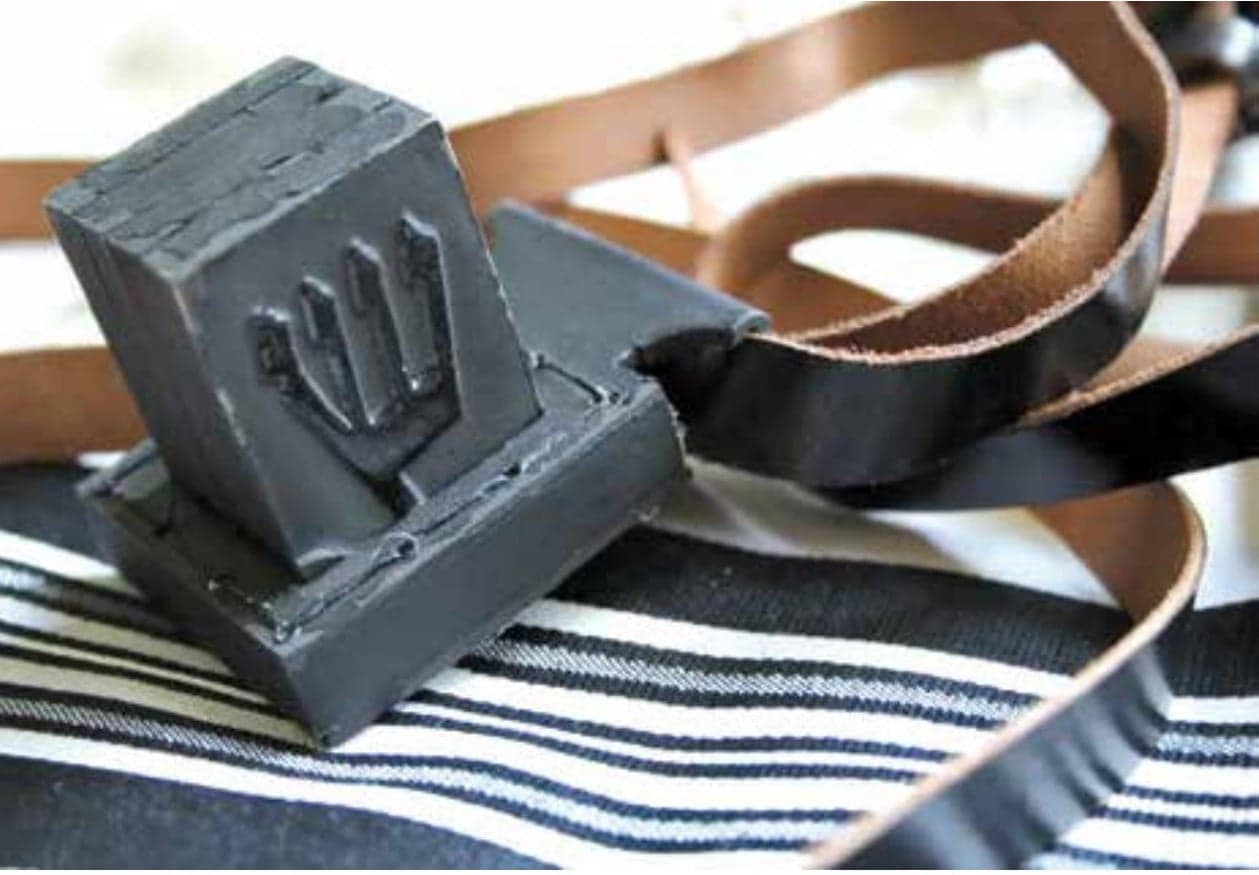
Because today was Chol HaMoed, and he belonged to that shrinking cadre of Jews who wear tefillin on Chol HaMoed. Rav Ephraim Friedman, a dayan at the Chicago Rabbinical Council, has lamented that the practice has steadily declined. While it is well known that the Shulchan Aruch rules that we do not don tefillin on Chol HaMoed, the Rema’s gloss is less widely appreciated. He writes that the prevalent Ashkenazic custom is to wear tefillin and even to recite the brachos. The Vilna Gaon, however, was emphatically opposed to wearing them. The Mishna Berura recommends continuing the Ashkenazic minhag but without a bracha.