Lying Waze
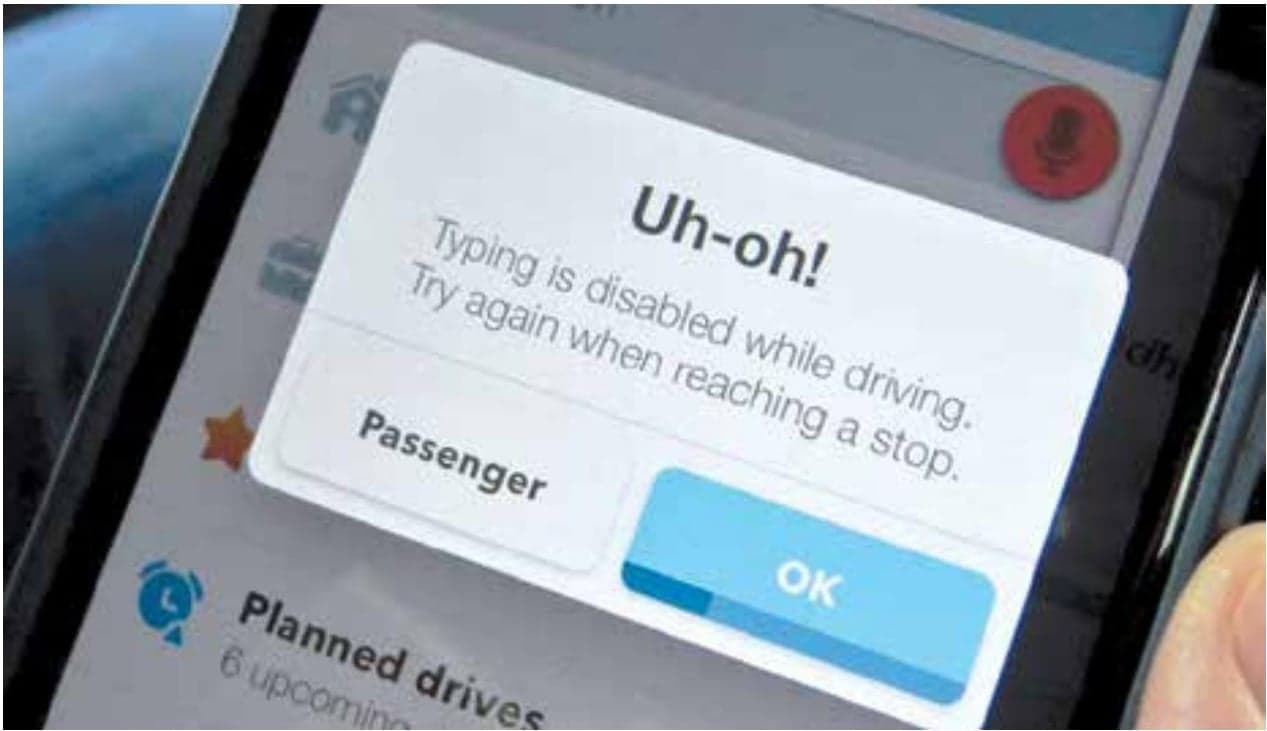
The Waze app has a crucial safety feature: it prohibits drivers from typing instructions while the vehicle is in motion, allowing only voice commands. However, users can falsely indicate to the app that they are only passengers. Is it permissible to lie to the app and claim to be a passenger when the person is actually the driver? After all, the Torah says, “M’dvar sheker tirchak,” one should stay far away from falsehood. (Shemos 23:7) The theoretical question assumes there is no safety issue in lying to the app.
Perhaps an answer can be found with the help of the Rashbam on a recent daf (Bava Basra 82a). The Gemara discusses a situation in which one is unsure if he is obligated to bring Bikkurim, the first fruits. The uncertainty exists in a situation where one bought fruit trees from his neighbor. The crux of the issue is whether the buyer owns the land under his trees. If he does, then he is obligated to bring bikkurim. If he does not, then he is exempt. The Gemara suggests a simple solution. He should just bring Bikkurim without reciting the accompanying declaration: “Wherefore I now bring the first fruits of the soil which You Hashem have given me.” (Devarim 26:10). The implication of the declaration would be that he owns the soil, which may not be true. Therefore, he omits the recitation but still brings the first fruit. The Gemara then questions, why can’t he recite the declaration? After all, it is a pasuk in the Torah. Either he is obligated to say it, or if not, he is simply reciting Torah verses!