Win Or Lose
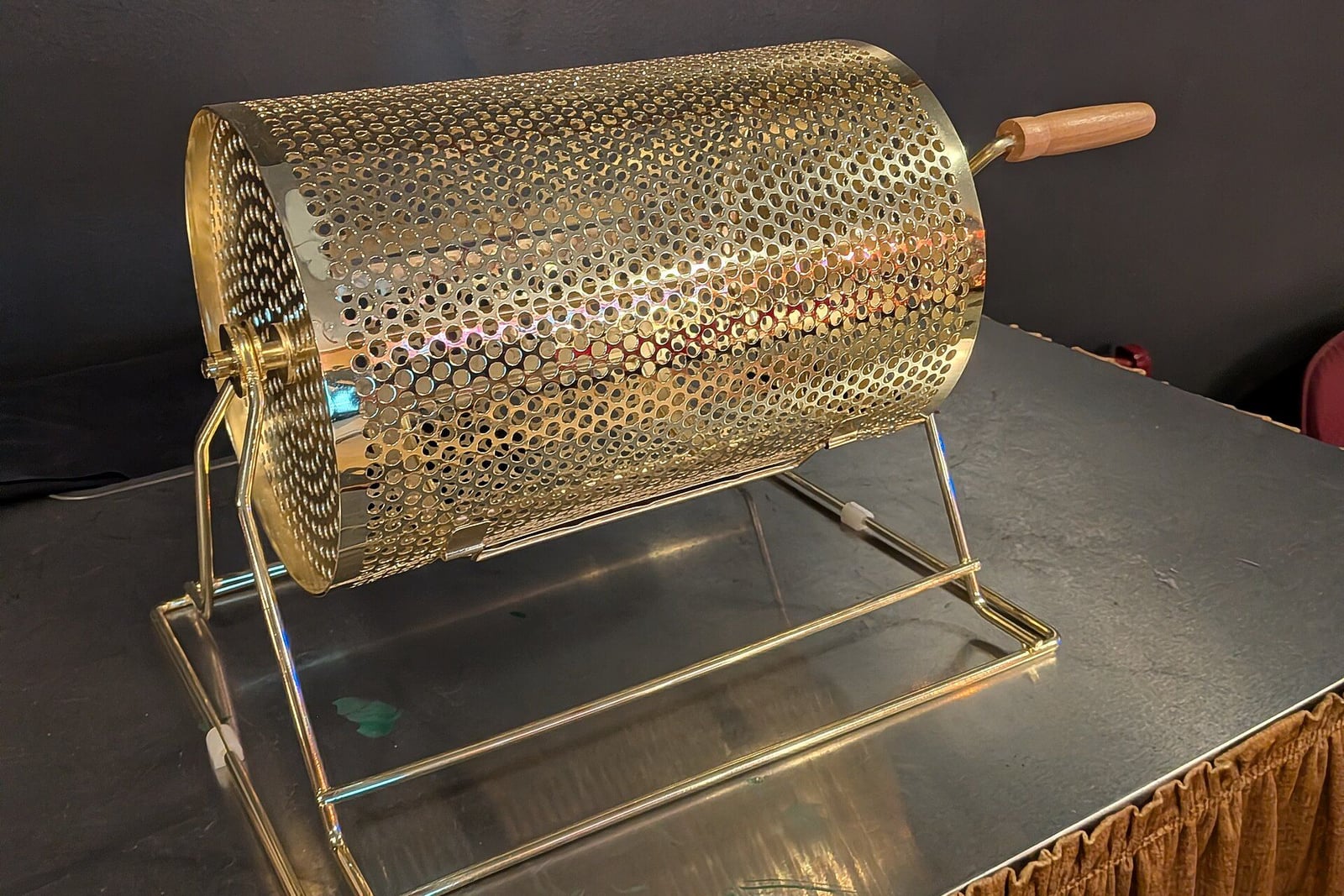
It seems to me that it was around 25 years ago that the Chinese-auction phenomenon hit the Jewish world. The first question one must ask is: why is it called a Chinese auction? Did this type of insanity really begin in China? Doubtful. Perhaps just as some people refer to a pomegranate with many seeds as a Chinese apple, a Chinese auction has a lot of prizes. Alternatively, just as China is facing an overcrowding problem, Chinese auctions are usually packed with people. The most likely explanation for the name is that all those junky door prizes are “Made in China.”
A few years ago, I attended a Chinese auction with my wife. We stayed for the drawing because we had tickets in some of the prize boxes. For one particular prize, the MC pulled out a ticket and began to read the first few letters of my name. We had only written our last name on our tickets. The first few letters of my last name are rare, so I was pretty excited. In the middle of the name, the executive director of the organization came running and said to stop the auction. Some more tickets were added to the prize, and a new, different winner was drawn.
I decided to have a word or two with the executive director, and he patiently explained that no new tickets were sold. What had occurred is that some tickets had inadvertently fallen out of the box while it was being transported to the podium. He argued that the first winning ticket pulled was invalid since not all the tickets were in the box. Was he correct?
A very similar scenario occurred many years ago. Someone organized a raffle for a silver becher. Many people participated by buying a raffle ticket with their name on it. All the tickets were put together and a winner was drawn. After the raffle, someone decided to check the tickets and noticed that one participant didn’t have an entry with his name on it. The announced winner of the silver becher somehow appeased and mollified that participant. (Perhaps he offered some cash remuneration.) However, the other participants in the raffle argued that the missing entry should be placed in the hat with all the other entries and a new winner should be drawn. The winner of the silver becher argued that that idea was preposterous. They suffered no harm by the fact that an entry was missing. On the contrary, their chances of winning were increased. The only person with a valid claim is the participant who didn’t have his entry in the raffle, and he had already been appeased.
The Chavos Yair (Shut 61) ruled, to the consternation of the winner, that the entire raffle was invalid and must be redone. He cited a proof from our Gemara (Bava Basra 106b). There were two brothers who inherited property from their father. They did a lottery to determine who would get which piece of property. After the lottery, a long-lost third brother materialized. One of the original brothers who got the piece of land that he really wanted appeased the third brother somehow. The remaining brother demanded that the whole lottery be repeated. Seemingly he has no claim since he was not negatively affected. Yet the Shulchan Aruch (Choshen Mishpat 175:3) rules that since the lottery was not done properly, any participant can demand that the entire process be repeated. So, too, in the case of the silver becher, every participant has the right to demand a do-over.
This ruling can turn into a tremendous nightmare for Jewish organizations. If an organization has a Chinese auction and one ticket is missing from the box, the drawing for that particular prize is invalid. They can’t just refund the money to the purchaser of that ticket. They would have to take back the prize from the announced winner and redo the drawing. What would happen if someone’s whole order of tickets was inadvertently left out? Would every drawing be disqualified?
To rule out any such possibilities, the Jewish Heritage Center of Queens and Long Island used to print a disclaimer in their Chinese-auction booklets that the buyer of tickets realizes there is a small chance that something may not go as planned, or tickets may be left out, and accepts that fact. No drawing will be redone. Since all purchasers of the tickets agree to abide by those stipulations, it preempts many difficult halachic questions.
Returning to the case of the becher, the Chavos Yair further rules that if someone’s name was inadvertently entered twice into a raffle, the entire raffle is invalid. This is true even if the double entry didn’t win.
The Magen Avraham rules in a similar situation. There are some shuls where only one individual recites Kaddish at a time. There was a question over who should have the z’chus of reciting a particular Kaddish, so all interested parties drew lots. Unfortunately, the lottery wasn’t run correctly and there were two winners. The Magen Avraham says the entire lottery must be redone. We do not just make a new lottery to decide between the two winners. Since the lottery was done incorrectly, the first determination is meaningless.
Another interesting scenario is discussed in the sefer Harei BaShamayim. There were two Levi’im who both had yahrzeit on the same Shabbos. One of the Levi’im had previously purchased the right to the Acharon aliyah for a number of Shabbosos. A Levi (or Kohen) is allowed to be called up for the Acharon aliyah, an additional aliyah that is added to the seven mandatory ones on Shabbos. However, on this particular Shabbos, the Levi had a yahrzeit, and he wanted the second aliyah, which is the usual aliyah for Levi’im. The other Levi in shul also wanted that second aliyah. They made a lottery, and the Levi who hitherto had the rights to Acharon won the lottery. The other Levi would instead be called up for Acharon.
All of a sudden, the Levi who originally had the rights to Acharon realized that this week was Shabbos Chazak. The Acharon aliyah would be the last regularly scheduled aliyah (besides Maftir) read in that sefer of Chumash. Furthermore, everyone blesses the person who has that aliyah with a berachah. The Levi wanted his aliyah back! He wanted to annul the lottery and let the other Levi have Sheini. The ruling was that he was allowed to take back his aliyah because the lottery was made under mistaken assumptions. Had he known that the aliyah was the “Chazak” aliyah, he never would have made a fuss.
More Gemara stories
Questions on this article
Rabbi Avrohom Sebrow
Rebbe at Yeshiva Ateres Shimon in Far Rockaway. He leads the Daf Yomi chaburah at Eitz Chayim of Dogwood Park in West Hempstead, and writes “Delving into the Daf” each week for The Jewish Home.
About and contact