A Mitzvah In The Mouth
When you come home on Seder night, you are presumably very hungry. You’ve spent the whole day preparing for the Seder and for Pesach. Chametz is forbidden most of the day. Matzah is forbidden all day. You may have eaten only fruits and vegetables. The first chance you have to eat at the Seder is karpas. A small piece of vegetable dipped in salt water. How small? The piece should preferably be less than the size of a k’zayis. My brother likes to point out, “How come when we measure the karpas we use a very small shiur for k’zayis? The karpas is minuscule. When it comes to eating a k’zayis of matzah, however, the shiur for k’zayis is huge!” We retort, “Don’t carp about the karpas.”
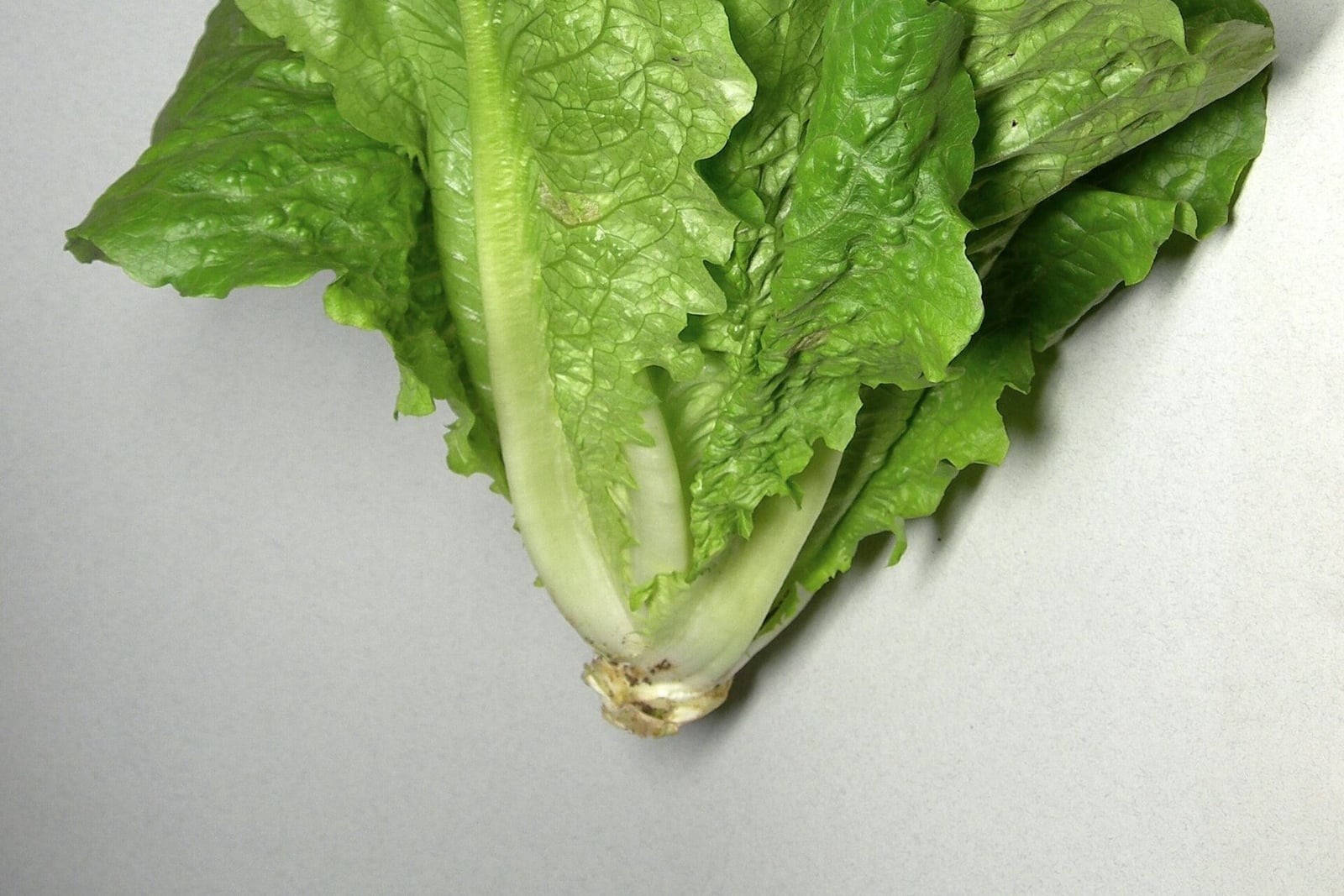
The Mishnah Berurah writes that you can really use any type of vegetable for karpas. The sole criterion is that it should not be a form of marror. Though you may be so hungry you could eat a horseradish, choose something else instead. However, if the only vegetable one has is romaine lettuce, he can eat it twice; once for marror and once for karpas. The Gemara in Pesachim asks: If one already ate romaine lettuce for karpas, why does he have to eat it again? He already fulfilled the mitzvah of marror when he ate romaine lettuce for karpas!
There is an established argument that spans the entire Talmud regarding whether one must have positive intent to fulfill a mitzvah when he performs a mitzvah. According to one opinion, lack of positive intent is a fatal flaw in the fulfillment of any mitzvah. If an individual picked up a lulav and esrog without any intent, he has not fulfilled the mitzvah. However, making the proper berachah before picking up the lulav is tantamount to having the required intent. In our scenario, this opinion would simply say that since when one eats romaine lettuce for karpas he does not intend to fulfill the mitzvah of marror, his eating only qualifies as karpas. However, the Gemara’s question is according to the opinion that mitzvos do not necessarily require positive intent. (Mitzvos einan tzerichos kavanah.) When he eats romaine lettuce for karpas, he automatically fulfills the mitzvah of marror as well, even though he did not intend to do so.
The Gemara concludes that according to the latter opinion you may have indeed fulfilled the mitzvah of marror when eating karpas. However, the Sages required you to eat the marror again because dipping twice is an important part of the Seder. (It’s up there in the Four Questions.)
One commentator raised the following difficulty: Why don’t we instruct the individual to have positive intent not to fulfill the mitzvah of marror while he is eating his karpas? Even if positive intent is not required to fulfill a mitzvah, negative intent should definitely stop its fulfillment. A person cannot possibly be fulfilling a mitzvah when he openly declares that he doesn’t want to.
The Avnei Nezer counters that to eat romaine lettuce on the night of the Seder and to concentrate on not fulfilling the mitzvah of marror is inappropriate. The mitzvah is right there in front of you. It’s literally in your mouth! How can it be proper to push away the mitzvah by intending not to fulfill it? True, if he did have such intent it would be effective. But we would never advise an individual to concentrate on such a thing.
The Avnei Nezer’s logic appears flawed. We explained above that everything is fine according to the opinion that states that positive intent is required for any mitzvah. When one eats the romaine lettuce for karpas, we advise the individual to simply not have positive intent to fulfill the mitzvah of marror. Can’t we argue that such advice is inappropriate as well? Since the romaine lettuce is in his mouth, grab the mitzvah and have positive intent to fulfill the mitzvah of marror!
The Avnei Nezer counters based on a proof from our Gemara in Kerisus (3b) that no moral equivalence can be made between having positive intent not to fulfill a mitzvah and simply not having any intent at all. The Gemara explains that according to Rebbe Yochanon, Rebbe Akiva requires one who “accidentally” curses Hashem to bring a sacrifice to attain atonement. (Intentionally cursing Hashem without receiving due warning deserves kareis.) This is true despite the fact that no real action was performed.
Rebbe Yochanon reasons that thoughts that were realized about cursing Hashem are enough to mandate a sacrifice. However, Rebbe Akiva rules that if someone accidentally abstains from bringing a Korban Pesach he does not require a sacrifice to achieve atonement. (Intentional abstention would render a person liable to kareis.) This is because there was no action or thought whatsoever. It was simply an inadvertent aveirah committed due to inaction. We can conclude from this Gemara that having a thought to sin or not to fulfill a mitzvah is categorically different than simply a lack of thought or action to perform a mitzvah.
The Avnei Nezer says that we can essentially make the same argument in our scenario. We can advise a person not to have positive intent to fulfill the mitzvah of marror while eating romaine lettuce for karpas. That would not be considered disrespect for the mitzvah. However, to advise a person to positively concentrate on not fulfilling the mitzvah of marror while the romaine lettuce is in his mouth is simply inappropriate.
As a matter of practical halachah, the Shulchan Aruch (475:2) advises someone in this situation to make the berachah on marror before eating the karpas. After he eats his matzah, he will eat the marror again without a berachah.
More Gemara stories
More stories in Kerisus
All in this masechtaYissachar of Kfar Barkai and King Yannai
Questions on this article

Rabbi Avrohom Sebrow
Rebbe at Yeshiva Ateres Shimon in Far Rockaway. He leads the Daf Yomi chaburah at Eitz Chayim of Dogwood Park in West Hempstead, and writes “Delving into the Daf” each week for The Jewish Home.
About and contact