When Less Is Too Much
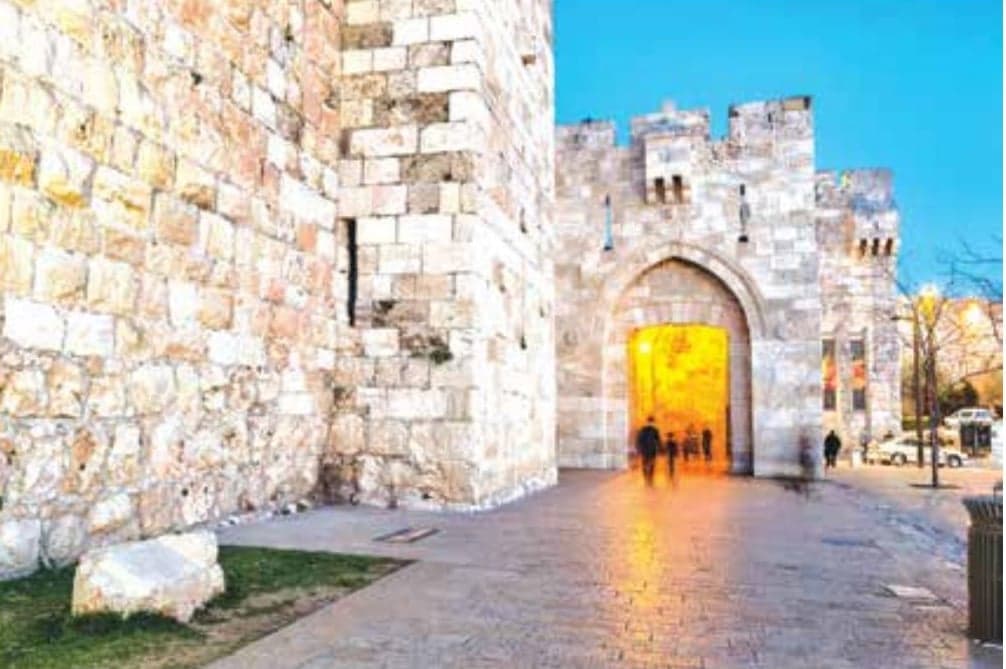
An acquaintance once confided that he had a stone fragment from the Kosel in his possession. He said archaeologists were excavating near the Kosel area and uncovered numerous stone fragments during the dig.
Beis HaMikdash and Korbanos
Offerings: their types, their laws and the salt on every korban.
An acquaintance once confided that he had a stone fragment from the Kosel in his possession. He said archaeologists were excavating near the Kosel area and uncovered numerous stone fragments during the dig.
Shehechiyanu and kiddush on Yom Tov are a beautiful pair. However, we must remember that the second days of Pesach present a unique exception: they are the only nights of yom tov on which Kiddush is recited without…
Although Cloudy with a Chance of Meatballs sounds like pure fiction, unusual “food rain” events have, at times, been reported. In 2011, residents of Coundon, England, described a bizarre incident in which numerous…
Every Shabbos night seudah at the Cohen household was special. This particular week, the air was thick with the aroma of kugel and roast chicken, but for Uncle Dov, there was one singular, pressing priority.
Which of our forefathers were considered bechoros? Was Avraham Avinu a bechor? What about Yitzchak or Yaakov? The Mishnah in Zevachim (14:4) teaches that before the Mishkan was built, the avodah was performed by…
The Gemara (Zevachim 100a; see also Moed Katan 23a) and its commentators discuss various details of the following account, and some aspects are subject to interpretation.
President Donald Trump once met with Kim Jong-un, the leader of North Korea. At the time, Mr. Kim promised to begin dismantling his country’s nuclear program. When Mr. Trump was asked whether he believed Mr.
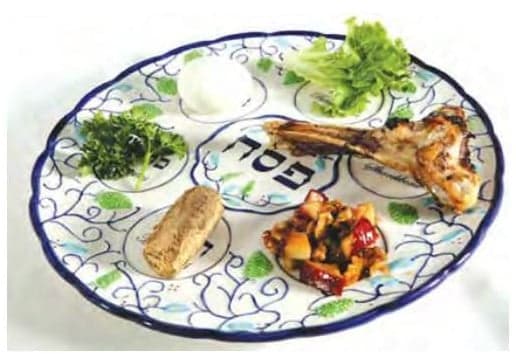
There are two practices at the end of the Seder that are commonly associated with each other, though they are not necessarily connected.
Recap: Boruch called Shimon a sheigetz for eating popcorn and peanuts on Erev Pesach, when chametz was already forbidden. Shimon politely explained that his posek ruled that popcorn is permitted, and peanuts are not…
The Shulchan Aruch (Orach Chaim 98:4) writes that tefillah, specifically the Shemoneh Esrei, is comparable to the offering of a korban. “Prayer stands in place of the sacrifice.
With many people traveling for Sukkos and the winter season, it’s appropriate to review some of the halachos of davening on a plane. Those learning the Daf may not realize how this discussion stems directly from our…
It’s been quipped that if a non-Jew ever grasped the joy a Jew feels upon skipping Tachanun, he’d convert on the spot. While exaggerated, the joke touches on a subtle truth in Jewish life: the unexpected “elation”…
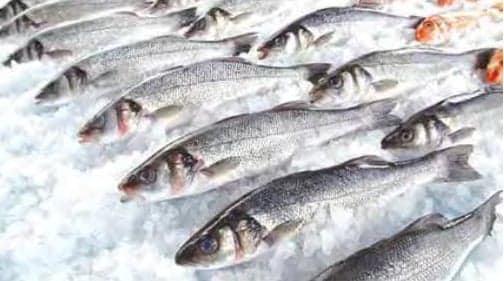
The following is a dramatized version of a true story. Over time, the populace of a certain town noticed that there was something fishy about the price of fish. It kept floating higher, not the typical ebb and flow.
The Gemara in Gittin (55b) tells the famously regrettable story of a wealthy man in the first century who sends his servant to deliver an invitation to his friend, a man named Kamtza, for an upcoming party.
The Sifrei says that Bnei Yisrael brought the Korban Pesach only once during their 40-year sojourn in the desert. This Sifrei says further that this reflects badly on Klal Yisrael.
The very first Mishna in Chagigah discusses those who are obligated to make the thrice-yearly pilgrimage to the Beis Hamikdash. The Mishna clearly states that the rule is that everyone is obligated except those…
Some people always looking for creative excuses for failing to show up for work or completing their projects. The wicked Haman told Achashveirosh that the Jews are always saying that they are too busy for work.
The Mishna at the end of Taanis (26b) quotes Rabban Shimon Ben Gamliel who declares that the most joyous holidays on the Jewish calendar are Yom Kippur and Tu B’Av.
It is a staple at most Shabbos tables: fish. Gefilte fish is most popular, but other varieties persist as well. The prices of fish along with many other staples have risen modestly recently.
A travel company is currently running a marketing campaign with “Captain Obvious” as their spokesman. He utters such phrases as “My enemy’s enemy is my enemy’s enemy.” A researcher was trying to uncover the origins of…
Boruch: I learned the Daf very well this week, and I can’t really see how it has relevance to practical halacha. Shimon: The Daf doesn’t have to have any practical relevance.
The Mishna in Yoma (28a) tells of a story that once in the Beis Hamikdash they assumed that it was already considered halachicly daytime. Therefore, they slaughtered the animal designated for the Korban Tamid.
Daf Yomi learners finished their brief foray into Talmud Yerushalmi. Mesechta Shekalim of the Jerusalem Talmud was completed this week, and the cycle continued with Mesechta Yoma of Talmud Bavli.
The survival of the donkey would be too great a blow to Bilam’s dignity. The Gemara is replete with examples of the sensitivity we must have even to individuals who may have sinned.
This story may have taken place in 2008, the last time erev Pesach fell out on Shabbos. It takes place between a wise son and his father on the Seder night.
In the English language there is an order for descriptive words. Most native English speakers have acquired an innate feel for the right way to express a sentence.
There is a well-known line we recite in the beginning of the Haggadah in the paragraph of Ha Lachma Anya. “Anyone who wants, may come and eat; anyone who wants, may come and join in the Pesach.” Seemingly, this line is…
The Mishnah in Shekalim says there were 13 monetary collection containers in the Beis HaMikdash. There is no Talmud Bavli on Shekalim; therefore, at the end of Menachos, the Gemara elaborates on the reason for the many…
One makes a berachah of Shehecheyanu on a mitzvah that comes at a specific time of the year. We recite the berachah of Shehecheyanu on every yom tov.
This article is in the zechus of a refuah sheleimah for Minna Chana bas Sara Feigeh. The Daf (Menachos 58a) discusses the prohibition of mixing honey into offerings that were brought in the Beis HaMikdash.
The following was inspired by a true question posed to the Beis Shlomo. Boruch went to the daf yomi shiur and learned Zevachim 87b. The Gemara questions whether the airspace above the Mizbeiach has the same sanctity as…
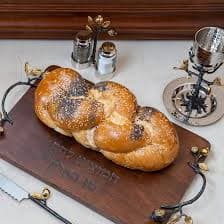
There are no courses offered for a father on how to cut the lechem mishneh on Shabbos. A father has a few moments to cut through and distribute the challah before he has a rebellion on his hands.
This week, daf yomi participants are beginning the perek of Gemara titled Eizeh Mekoman (Zevachim 47a), which starts out discussing the proper place for various sacrifices to be brought.
Our Gemara discusses the laws of avodah in the Beis HaMikdash. Avodah performed by kohanim while sitting is invalid (Zevachim 23b). It is viewed as if a non-kohen performed the avodah.
Being of Litvish stock, I always insist on making Kiddush on grape juice or wine. However, occasionally I attend a Kiddush where wine and grape juice are hard to come by.
My brother-in-law, an avid Mets fan, was once rushed to the hospital on a Friday night. The Yankees were playing in the postseason. In the spirit of a bitter Mets fan, he was rooting for the opposing team.
The Gemara in Megillah tells us that Memuchan, who is listed as one of Achashveirosh’s advisers, is Haman. The name Memuchan means prepared, as if to say he was prepared for punishment.
Suppose a person has two esrogim, an inferior one that is definitely kosher and a beautiful one of questionable validity (it may have been from a grafted tree).
Many times in the course of divrei Torah and conversation, the Hebrew word “k’vyachol” is used. I conducted an unscientific study and concluded that people generally understand the word to convey that the statement…
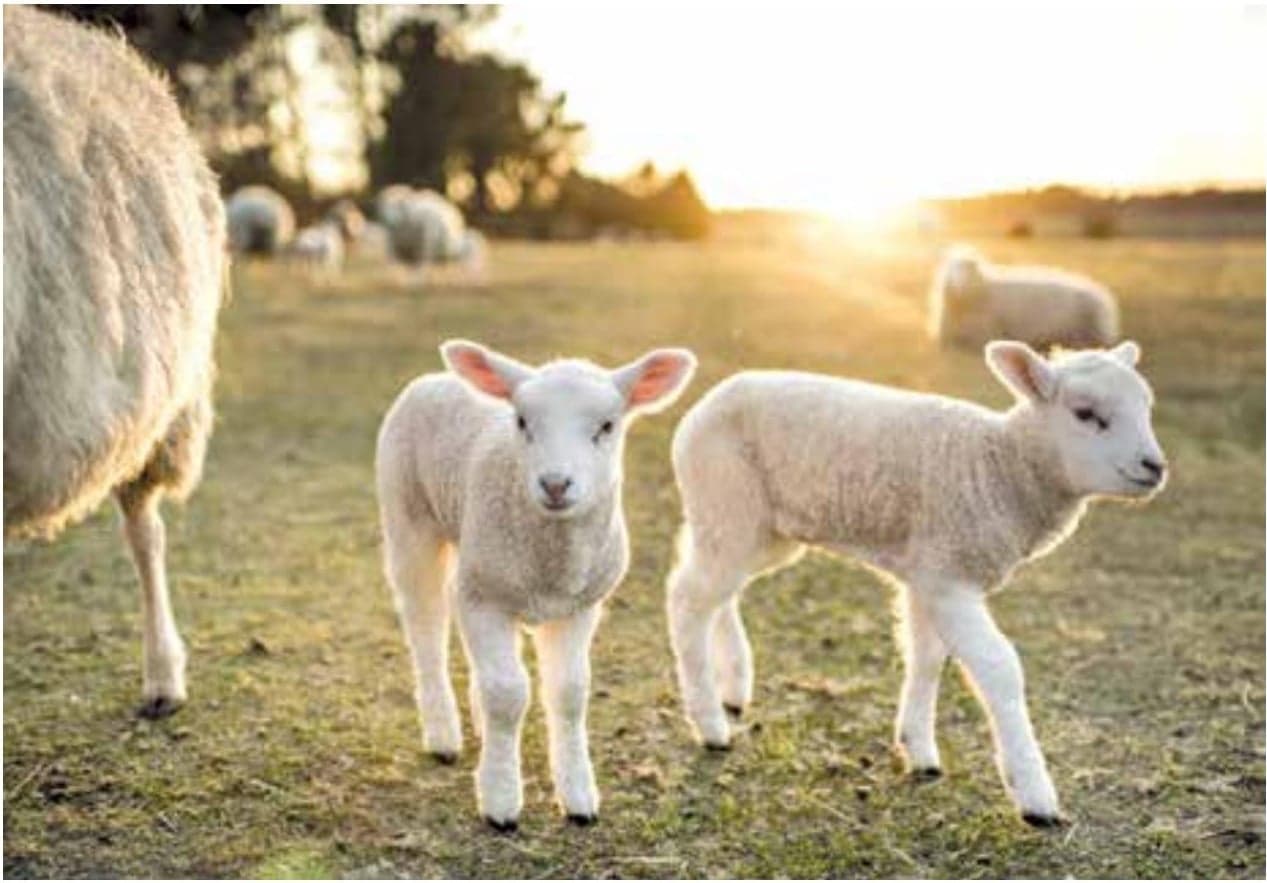
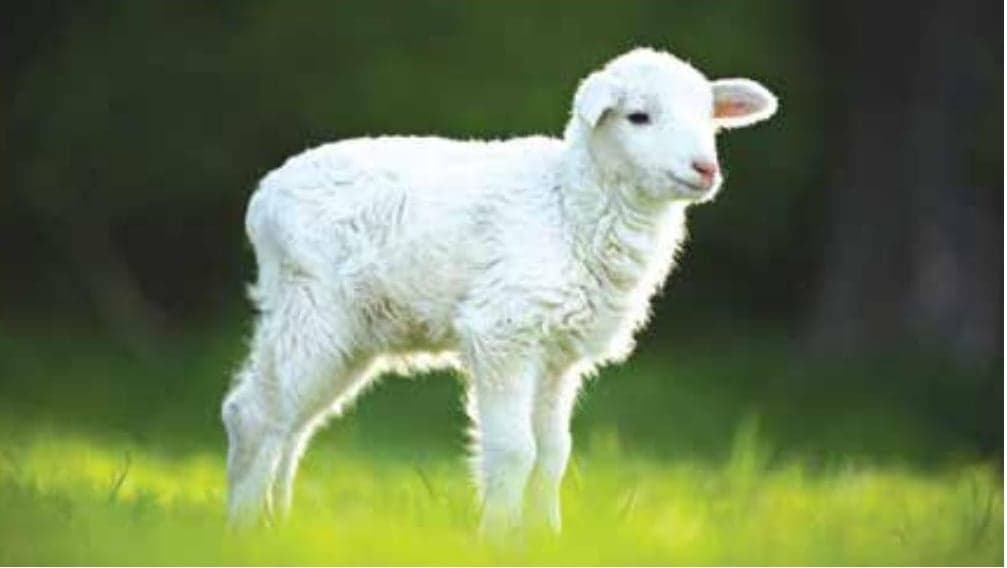
The mishnah in the beginning of the seventh perek of Pesachim instructs one who is roasting his Paschal lamb to employ a spit made of pomegranate wood.
An incident that occurred to George Bernard Dantzig became a legendary motivational story. In 1939, he was a graduate student at University of California at Berkeley.
My first lesson in how people are wary of shadchanim came when I spoke to my uncle about a prospective shidduch for his daughter. I described the bachur as being five-foot-six.
Imagine walking past a popular kosher bakery that has a sign that states “Yashan.” A passerby who doesn’t speak Hebrew asks you what it means.
One of my daughters loves the Shabbos zemer “Ki eshmerah Shabbos keil yishmereini, os hi l’olmei ad beino u’veini…” It was written by Rav Avrohom Ibn Ezra. For some reason, some bentchers leave out this particular zemer.
Engrossed in learning by candlelight on Shabbos, Rabbi Yishmael forgets the day and adjusts the wick, then notes he will bring a chatas when the Beis HaMikdash is rebuilt.
A non-Jew brags to Rabbi Yehudah ben Besaira that he eats the Korban Pesach every year. The sage slyly tells him to ask for the fat tail, and he is exposed.
Haman comes to lead Mordechai through the streets and finds him teaching his students the laws of kemitzah of the Omer, on the 16th of Nissan.
The angels ask Hashem to execute Vashti, recalling Klal Yisrael’s korbanos hidden in the names of Achashveirosh’s seven advisers, from lambs to the Shulchan.
When birds for korbanos cost a gold dinar a pair, Rabban Shimon ben Gamliel vows not to sleep until the price falls, and his ruling drops it to a hundredth.