When Less Is Too Much
An acquaintance once confided that he had a stone fragment from the Kosel in his possession. He said archaeologists were excavating near the Kosel area and uncovered numerous stone fragments during the dig.
Beis HaMikdash and Korbanos
The destruction of the Beis HaMikdash and its lessons.
An acquaintance once confided that he had a stone fragment from the Kosel in his possession. He said archaeologists were excavating near the Kosel area and uncovered numerous stone fragments during the dig.
My Rosh HaYeshiva, zt”l, would often quote a powerful Gemara in Menachos, sharing it in a way that left a lasting impression. The following is a partial paraphrase based on various commentaries.
After much pleading from my wife, I agreed to take my children to the barber. The last child to get his haircut was behaving rather well, when suddenly, the screaming started.
The Gemara in Gittin (55b) tells the famously regrettable story of a wealthy man in the first century who sends his servant to deliver an invitation to his friend, a man named Kamtza, for an upcoming party.
It says in the Torah, “You shall love your neighbor as yourself.” The Talmud (Kesubos 37b) has a very peculiar application of this verse. The Talmud discusses the proper manner of a court-mandated execution.
Rebbe Yochanon Ben Zakkai led the Jewish nation through the tumultuous years immediately following the destruction of the Second Beis Hamikdash. His guidance preserved Torah-true Judaism.
Now that Chanukah is over, we turn our attention to the somber day of Asarah B’Teves, a community-wide fast. Nevuchadnezar laid siege to Jerusalem on the tenth of Teves.
A question that has been discussed in recent years is the appropriateness of entering Har HaBayis. The Gemara records a dispute whether or not someone is liable for kareis by offering a sacrifice to Hashem outside the…
In this column, we previously discussed Rabbah Bar Bar Chana’s workers who broke the barrels of wine they were hired to transport (Bava Metzia 83a).
The Gemara records a fundamental dispute between Reish Lakish and Rebbe Yochanan regarding damages caused by fire. Is fire to be viewed as a possession that one has a duty to safeguard?
The last mishnah in Maseches Taanis says that the most joyous holidays of the Jewish calendar were Tu B’Av and Yom Kippur. Yom Kippur was understandably a holiday because it is the day that Hashem forgives Klal Yisrael…
Little Johnny watched, fascinated, as his mother sprayed furniture polish on her old dining-room table. “Why do you do that, Mommy?” he asked.
People frequently ask if one is permitted to shower or bathe on the 17th of Tammuz, Asarah B’Teves, or Tzom Gedaliah. A daf learned this week by daf yomi participants may shed some light on this issue.
My rosh hayeshiva, zt’l, would often quote the following Gemara in Menachos (a partial paraphrase based on various commentaries): Rebbe Yitzchak said, “At the time when the Beis HaMikdash was destroyed, Hashem found…
Rabbi Yochanan marvels at the Torah of Bavel, traced to sages led into exile in chains who were 'mighty warriors' in the give-and-take of Torah.
A party invitation goes to the wrong man, Bar Kamtza is thrown out in shame, and his revenge plot ends with Rabbi Zecharia ben Avkolos's fateful ruling.
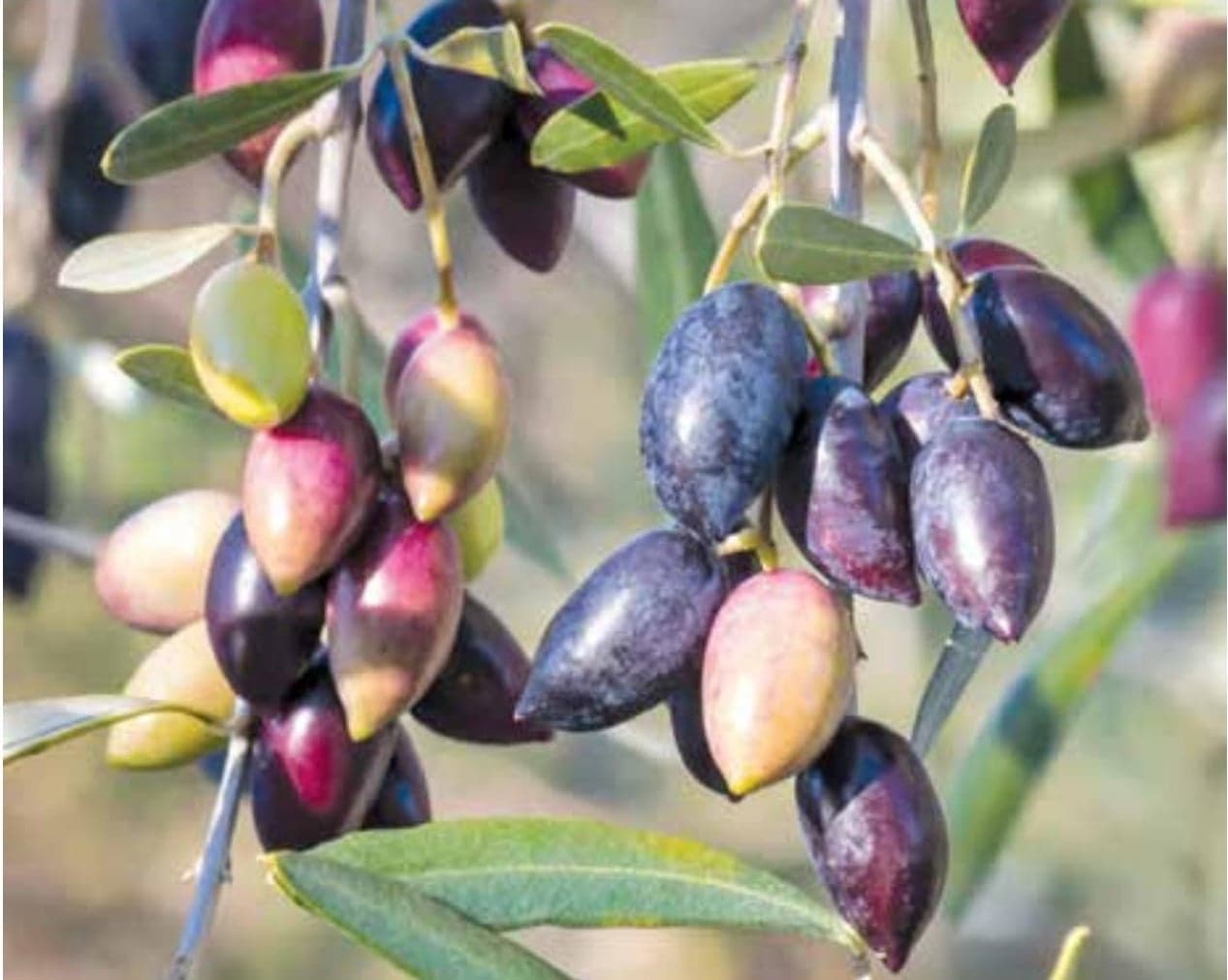
When the Beis HaMikdash is destroyed, Avraham Avinu argues with Hashem for his exiled children and is told Klal Yisrael is like an olive tree that will yet bear fruit.
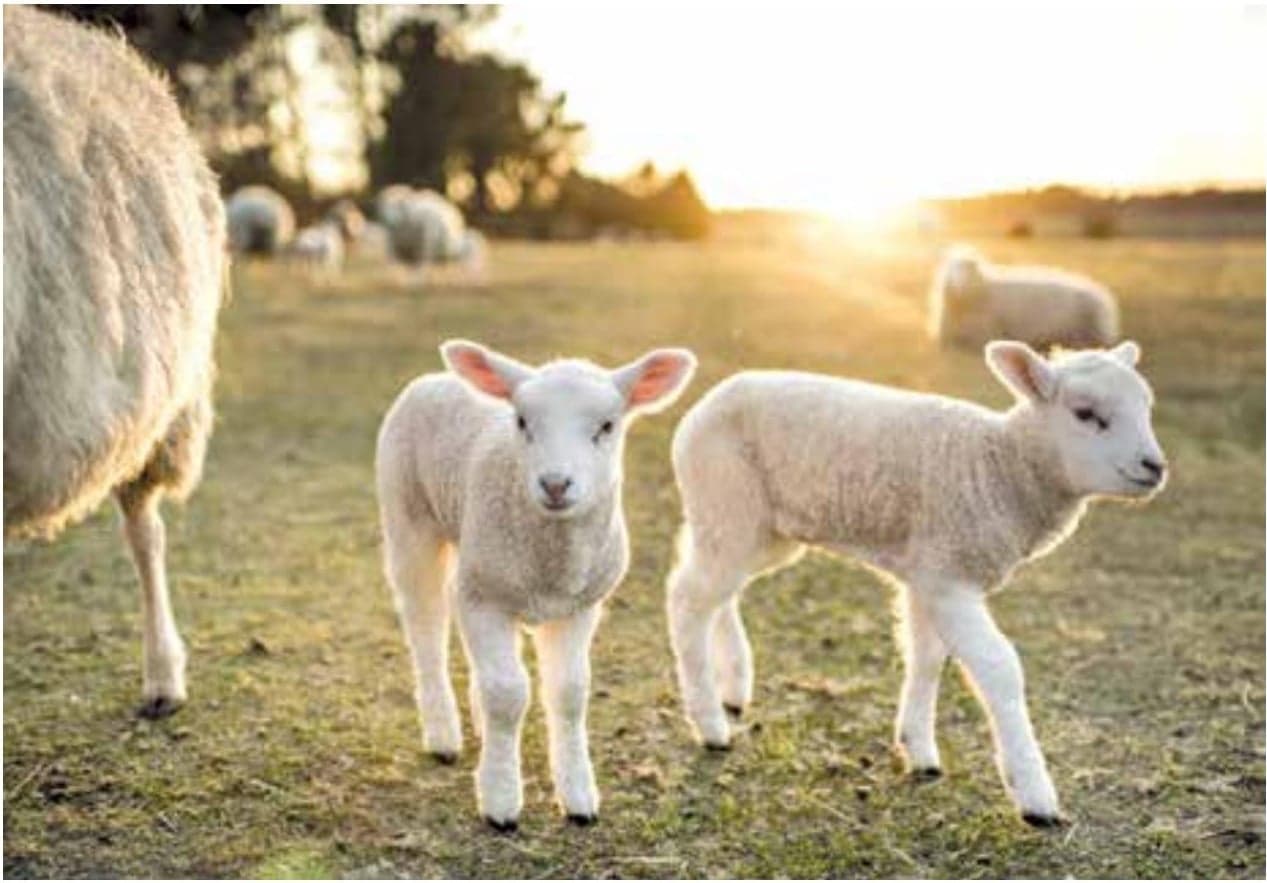
During the Hasmonean civil war, the besiegers send a pig up the wall in place of the daily offering's sheep; the land quakes and the Sages curse pig-raising.
On vacation in Switzerland, Rav Moshe Betzalel told the Brisker Rav why Rabban Yochanan ben Zakkai's two takanos came together: the second gave the Jews hope.
When Merodach-Baladan's letter names Hashem last, his scribe Nevuchadnezzar runs to fix it, and the angel Gavriel stops him before his reward grows too great.
Hadrian left the slain of Beitar unburied for years; when burial was finally allowed on Tu B'Av, the bodies had miraculously not decayed.
Sent by the Romans to loot the Beis HaMikdash, Yosef Meshisa brings out the Menorah, then refuses to go back in and dies al kiddush Hashem.