Visiting the Sick
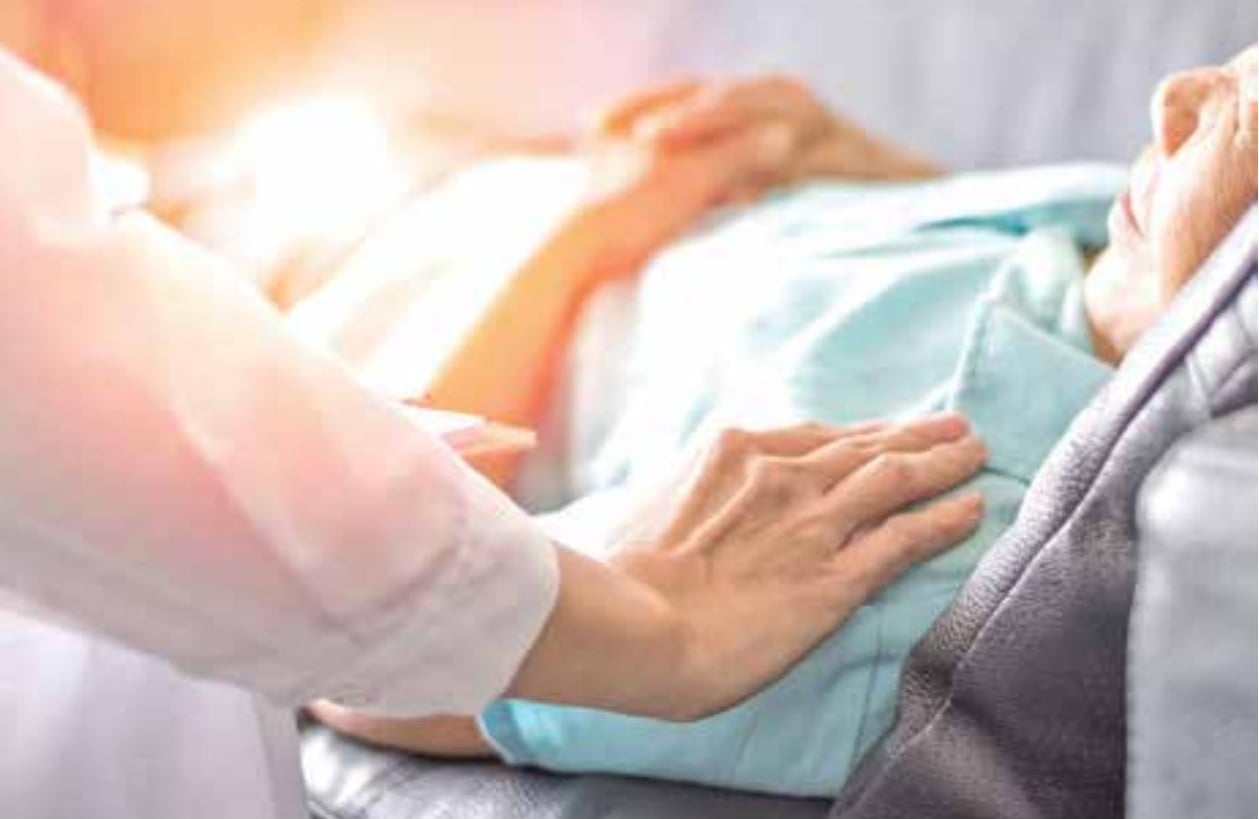
There is a machlokes Rishonim whether the mitzvah of bikur cholim is m’d’oraysa or m’d’rabbanan. It is based on the understanding of a passage in Bava Metzia (30b).
“Rav Yosef taught a baraisa concerning the verse: ‘And you shall teach them the statutes and the laws, and shall show them the path wherein they shall walk and the action that they must perform’ (Exodus 18:20).’” The baraisa parses the various directives in the verse. “... “the path” is referring to acts of kindness; “they shall walk” is referring to visiting the ill.” Since the mitzvah of visiting the sick is derived from a pasuk, the Ramban in his Sefer HaMitzvos concludes it is a biblical mitzvah. However, the Rambam nevertheless concludes that bikur cholim is actually a rabbinic mitzvah. Still, one fulfills the Torah mitzvah of chessed by visiting the sick.
The Tur cites two primary reasons for the mitzvah of bikur cholim. The first is that the visitor should attend to the needs of the sick individual. The second is that the visitor should pray for the choleh. Indeed, the Rema (YD 335:4) declares: Anyone who visited a sick individual and did not pray for him has not fulfilled the mitzvah! The Levush and Chochmas Adam conclude that that Rema must hold that the primary reason for the mitzvah of bikur cholim is to daven for the sick individual.
Rav Moshe Feinstein, zt”l, (YD 1:223) explained that the primary place to daven for the choleh is in front of him. The Divine Presence rests by a sick individual, and a prayer uttered in the presence of the choleh may be more effective. However, Rav Shlomo Zalman, zt”l, cautioned the visitor against causing the patient any duress or anxiety. If the patient knows that the person is praying for him, he may come to conclude that his situation is dire. In that scenario, a person should turn away from the choleh and daven quietly. The Gesher HaChaim suggests praying on the way out of the sick individual’s room. This way the patient won’t notice the prayer. Ultimately, if these solutions are not feasible, a person should simply pray in the adjacent room. Rav Elyashiv suggests that simply blessing the patient with a heartfelt refuah sheleima suffices for a prayer. Still, a perfunctory mumbling of refuah sheleima on the way out is not considered a prayer. (Mitzvos Bikur Cholim pg 13)
The Shulchan Aruch rules that davening in the place of a choleh is so auspicious that, one may pray there in any language. Otherwise, the Shulchan Aruch advises one to daven for the choleh in Lashon HaKodesh.
Rav Moshe Feinstein writes further that no one else can fulfill the mitzvah of bikur cholim in the same way that each unique visitor can. While others may care for the needs of the patient in the same way, or even better, no one can replace each individual’s prayers. Even if hundreds of others are praying for the individual, his tefillah can make a difference. Obviously, one must be careful not to overburden the patient with visitors!
It is therefore understandable why the Beer Moshe says that one should try to fulfill bikur cholim by actually visiting the sick individual and not merely calling him on the telephone. When he is present, he can see what the patient actually needs. He could ensure that the patient is being treated properly by the medical staff. Moreover, he has the special merit of praying in the presence of the Shechina. The Beer Moshe finds support for his ruling from our Gemara. The words in the pasuk that refer to bikur cholim are “Asher yailchu, that they shall walk.” The mitzvah should literally be fulfilled by walking to visit the choleh. Indeed, Rav Elyashiv was reported to have ruled that one cannot fulfill the mitzvah of bikur cholim by telephone. The phone call fulfills the general mitzvah of gemilas chasadim, but not the more specialized mitzvah of bikur cholim. (SA Dirshu YD 335:17)
Rav Moshe Feinstein disagreed. He further cautions against abandoning the mitzvah if one can’t attend in person. A phone call can lift the spirits of a sick individual. Moreover, during the conversation, he will empathize more with the plight of the patient. Therefore, his tefillos on his behalf will be superior. Rav Moshe ruled that a phone call to a patient fulfills the mitzvah of bikur cholim to some degree. Still, one should try to visit in person to fulfill the mitzvah in a more complete manner.
Hashem should quickly send a refuah to cholei Yisrael.
More Gemara stories
Questions on this article
Rabbi Avrohom Sebrow
Rebbe at Yeshiva Ateres Shimon in Far Rockaway. He leads the Daf Yomi chaburah at Eitz Chayim of Dogwood Park in West Hempstead, and writes “Delving into the Daf” each week for The Jewish Home.
About and contact