A Matter Of Great Interest
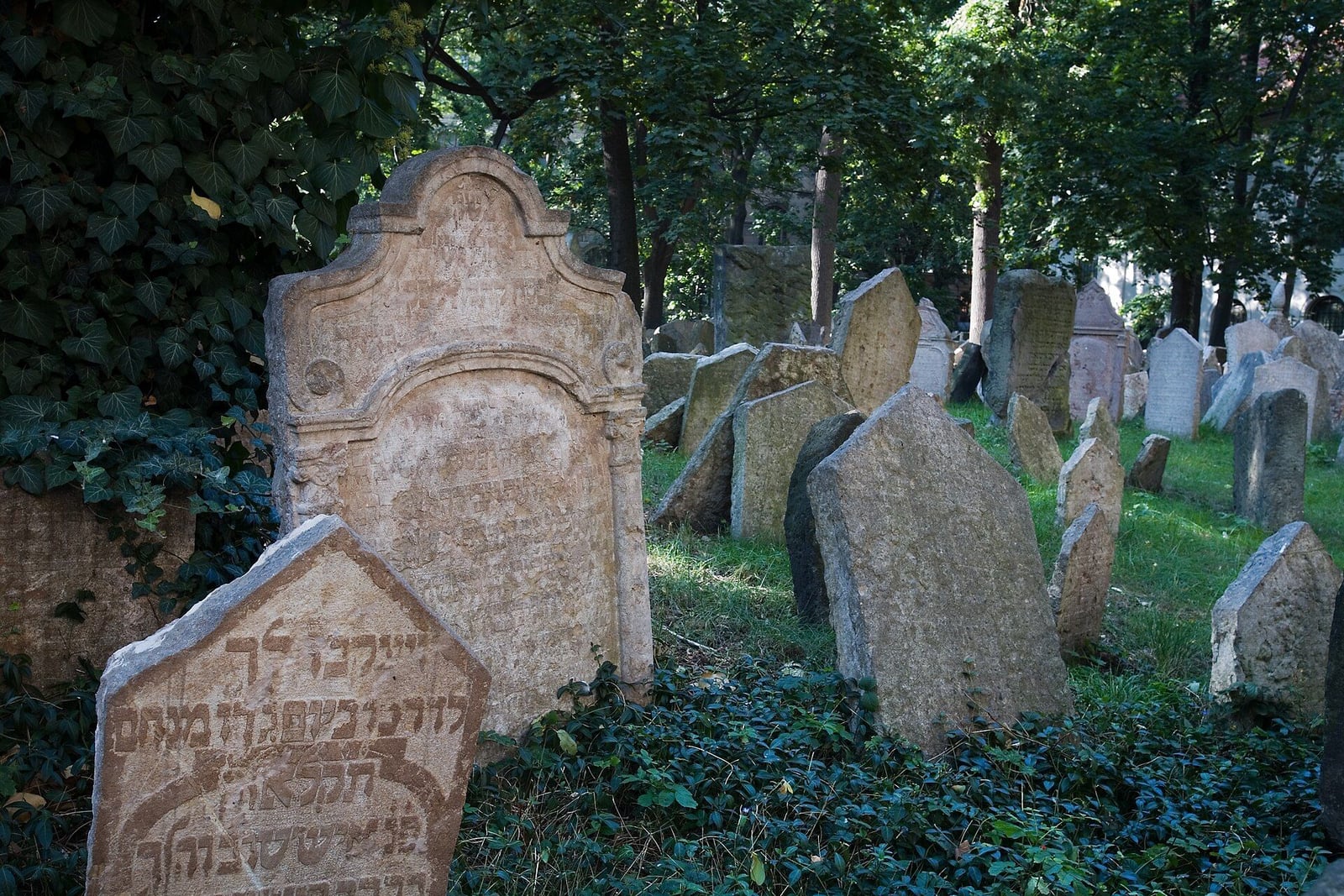
In Pozen, the hometown of the great and revered sage Rabbi Akiva Eiger, zt’l, lived a wealthy Jew. Unfortunately, this Jew had built his fortune largely by lending money to other Jews with interest. He was also miserly when asked to contribute to tzedakah.
At his death, no one felt any great sorrow. When his family approached the chevra kadisha (burial society) to make funeral and burial arrangements, they were rebuffed. The society would not allow the man to receive Jewish burial unless his family paid the exorbitant sum of 2,000 rubles for his plot in the Jewish cemetery.
His children were incensed. There was no doubt in their minds that this was extortion and revenge due to the community’s hatred of their father.
The matter was brought to the attention of Rabbi Akiva Eiger.
“With all due respect,” the sage began, “I will explain the ruling of the burial society, and you will see that their demand is in fact most reasonable, perhaps even charitable!”
Rabbi Eiger continued:
“According to our Sages of blessed memory, all Jews—with one exception—will one day be resurrected from their graves and be returned to the Land of Israel; this will occur after the coming of Mashiach. The only Jews who won’t be resurrected are those who lent money for interest.
“So you see, for all normal Jews, we are forced to charge a very reasonable price for their cemetery plot. It is our hope that Mashiach will arrive speedily in our days, and this being the case, their plot is not being sold to them but merely rented. And how much can we charge for a rental—especially when we hope it will be short-lived?
“But this Jew, since he built his fortune by lending money to other Jews with interest, will not be resurrected. His body is destined to remain in his plot for the rest of time. For him, his burial site is not a rental but rather an eternal sale, and as such it is only logical to charge him an appropriate price for it. In fact, for what he’s getting, I think it’s rather a bargain!” (A variant of this story is found on Torah.org.)
Of course, when stories are transmitted, details inevitably change. Yet if this story was correctly transmitted, what was Rebbe Akiva Eiger’s source that someone who violated the laws of ribbis deserves such a harsh punishment that he will not be resurrected in the times of Mashiach? Perhaps his source was a Targum Yerushalmi.
A little preface is in order.
The 37th chapter of Yechezkel details the incident where Hashem resurrected many individuals who had died long before. The short-lived resurrection was meant to demonstrate to Yechezkel HaNavi that if even dried bones can be resurrected, Klal Yisrael can never be too far from redemption. (According to one opinion, it was a short-lived resurrection. Another opinion posits that they lived a second life; Sanhedrin 92b.)
Targum Yonasan ben Uziel, on the first pasuk of Beshalach, explains that men from the tribe of Ephraim attempted to leave Egypt 30 years before the redemption. Since they transgressed Hashem’s decree, Hashem allowed the Philistines to have dominion over them. Their bodies remained in the land of the Philistines.
The Torah tells us that Hashem did not want to take the Bnei Yisrael through the land of the Philistines when they were leaving Mitzrayim. The Targum explains that Hashem knew that the Bnei Yisrael, upon encountering the bodies of their brethren who had perished 30 years earlier, would lose heart and desire to return to Mitzrayim. Therefore, Hashem led Bnei Yisrael through a different route. The Targum ends off his commentary by noting that it was these individuals from the tribe of Ephraim who merited a short-lived resurrection in the time of Yechezkel HaNavi.
Tosfos (70b) quote a fascinating Targum Yerushalmi, also on Parashas Beshalach, that adds one point. (This quote from the Targum Yerushalmi is not printed in our editions of the Mikraos Gedolos.) The Targum Yerushalmi says that there was one member of the tribe of Ephraim who left Egypt early but did not merit that brief resurrection. This was because he lent money with interest. Tosfos raise an interesting problem. The individual obviously lent money with interest before the Torah was given. At that time, there was no prohibition against lending money with interest. Why, then, should the individual receive such a severe punishment to not merit resurrection?
Tosfos explain that the time for the real resurrection has not yet arrived. The miracle that Hashem performed was limited to those individuals who left Mitzrayim early. The individual who lent money with interest before the Torah was given was not punished for doing so. Yet he could not merit that exclusive, limited-time offer for those who were more righteous than he. They merited the resurrection because they kept the mitzvos even before the Torah was given. Tosfos compare this to our forefathers, who kept the Torah even before it was given. So this individual, while not punished for not going beyond the letter of the law, did not merit the extra reward.
However, according to this particular answer of Tosfos, there is no proof that someone who lends money with interest will suffer an extremely harsh punishment and not merit the ultimate techiyas ha’meisim. The techiyas ha’meisim referred to in the Targum was just a “bonus.”
Perhaps there is a lesson to be learned here. Someone may determine that a certain plan of action is permitted according to the letter of the law. Yet he knows that it really is inappropriate. He should keep in mind that though he will not suffer, he may lose out on a tremendous reward.
I hope you found this article on ribbis to be of interest.
Stories in this article (2)
Stories in this article
More about Rabbi Akiva Eiger
All storiesRabbi Akiva Eiger and the Slavuta Shas Dispute
Rabbi Akiva Eiger and the Embarrassing Vow
More stories in Bava Metzia
All in this masechtaRabbah and Rabbi Zeira at the Purim Seudah
Rav Huna Sends Rabbah to Learn from Rav Chisda
Rav Henoch Leibowitz Explains Da'as Torah
Rav Heschel and the Visit From Rabbi Yochanan
Questions on this article
Rabbi Avrohom Sebrow
Rebbe at Yeshiva Ateres Shimon in Far Rockaway. He leads the Daf Yomi chaburah at Eitz Chayim of Dogwood Park in West Hempstead, and writes “Delving into the Daf” each week for The Jewish Home.
About and contact