It’s a Miracle
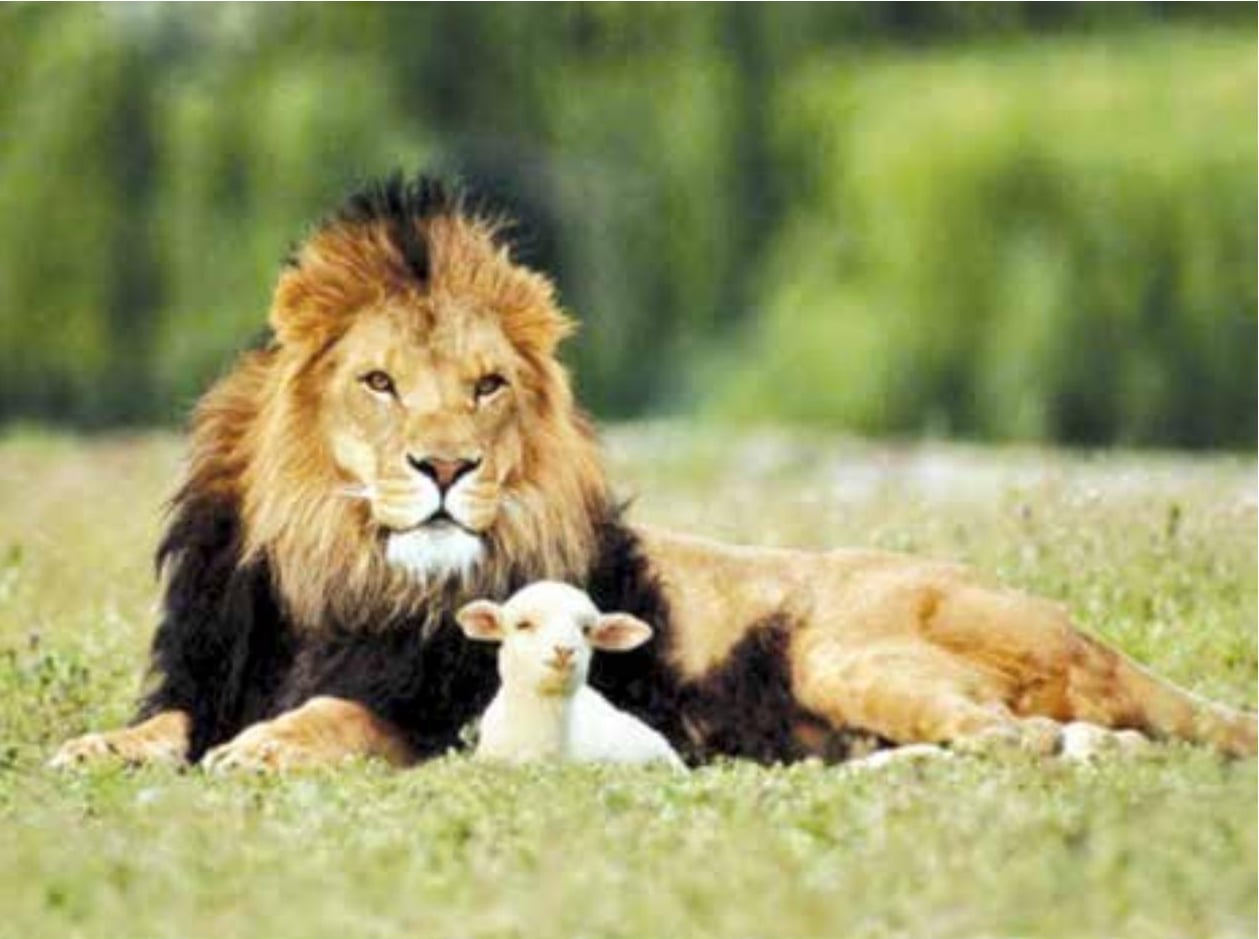
A shepherd deserts his flock for a quick break. While he is gone, a wolf eats one of the sheep. To determine if the shepherd is liable, we evaluate whether the shepherd could have fought off the wolf had he been there. Rav Sheishes wonders, why do we only take the normal circumstances into account? Dovid HaMelech was miraculously able to fight off a lion and a bear attacking his flock. Can’t the owner of the flock claim a miracle would have occurred? If the shepherd had not shirked his duty, Hashem might have miraculously given him the ability to fight off the predator. The shepherd should therefore be liable to pay restitution no matter what the evaluation concludes.
The Gemara (Bava Metzia 106) retorts that if the owner merited having a miracle occur for him, a miracle could have occurred even if the shepherd was not present, just as it occurred to Rebbe Chanina ben Dosa. Rebbe Chanina ben Dosa’s goat miraculously returned to its owner carrying a dead lion over its horns.
Yet the Gemara does not reject the notion that miracles cannot occur for the common man; indeed, Tosfos say that through tefillos, even otherwise ordinary individuals can merit to have miracles happen to them.
An interesting question presents itself. The Gemara discusses two miracles – the one that occurred to Dovid HaMelech, where he miraculously killed a lion and a bear, and the other, seemingly greater one that occurred to Rebbe Chanina ben Dosa, whose goat was able to kill a lion. Why didn’t Dovid HaMelech merit to have the greater miracle occur to him?
My father, Rabbi Yaakov Sebrow, shlita, answered that Hashem wanted Dovid HaMelech to kill the lion and bear himself to inspire him to kill Goliath. In fact, this is exactly what the midrash says about Esther. Hashem hinted to two people who understood and took the hint. One of them was Dovid HaMelech. The midrash says that Dovid HaMelech took the hint that Hashem helped him miraculously kill a lion and a bear. Dovid said to himself: “Hashem would not have performed this miracle for me unless there was a reason.” He then offered his services in killing Goliath.
Every individual’s prayer is powerful. The Gemara earlier recounts that the prayers of tzaddikim can be especially powerful (ibid. 85b). Rebbe asked Eliyahu HaNavi, “Is there any group of tzaddikim alive who, when praying together, would bring Moshiach?” Eliyahu answered, “Rebbe Chiya and his sons.” Rebbe then decreed a fast and had Rebbe Chiya and his sons daven for the tzibbur. The Gemara relates that when they recited “Mashiv HaRuach” together, the wind blew. When they recited “Morid HaGeshem” together, it started raining. They were about to say “Mechayeh Meisim” together when their prayer was miraculously disrupted by a fiery bear. Alas, Moshiach did not come.
Tosfos wonder how Rebbe could appoint Rebbe Chiya to be the chazzan, as elsewhere the Gemara noted that Rebbe Chiya could not pronounce some of the words correctly. Rebbe Chiya did the best he could at his own prayers. Still, when it comes to public prayer, we should not appoint a chazzan who cannot pronounce all of the words correctly.
The Brisker Rav expressed incredulity at Tosfos’s question. “Is there any loftier goal than bringing Moshiach? This is what Klal Yisrael pined for over countless generations! We daven for this every day – that Mashiach should come and redeem us from our trials and tribulations. If Rebbe knew the secret how to bring Moshiach, is it possible to tell him to refrain simply because Rebbe Chiya wouldn’t pronounce a few words correctly? Even regarding the recitation of Shema, which is a biblical mitzvah, it is an accepted halacha that if someone was not careful in the pronunciation of the words, he has still fulfilled his obligation. Certainly, regarding the issue of choosing a chazzan, which is just a rabbinic law, we should be lenient for the sake of bringing Moshiach! Especially, since this law of which chazzan to choose is only l’chatchilah. Post facto, any chazzan is acceptable.”
The Brisker Rav said that we see from here how important it is to follow even the minutest details of halacha. If halacha precludes Rebbe Chiya from being chosen as chazzan, Rebbe would have abandoned his plan to bring Moshiach. Even the loftiest goals do not justify violating halacha.
This is an argument that comes up repeatedly. There are always those who posit that halacha should bend or be violated outright for one lofty ideal or another. But unless the halacha allows for violation, such as in imminent pikuach nefesh, we must adhere to halacha.
More Gemara stories
Questions on this article
Rabbi Avrohom Sebrow
Rebbe at Yeshiva Ateres Shimon in Far Rockaway. He leads the Daf Yomi chaburah at Eitz Chayim of Dogwood Park in West Hempstead, and writes “Delving into the Daf” each week for The Jewish Home.
About and contact