Eliyahu HaNavi Zachur La’Tov
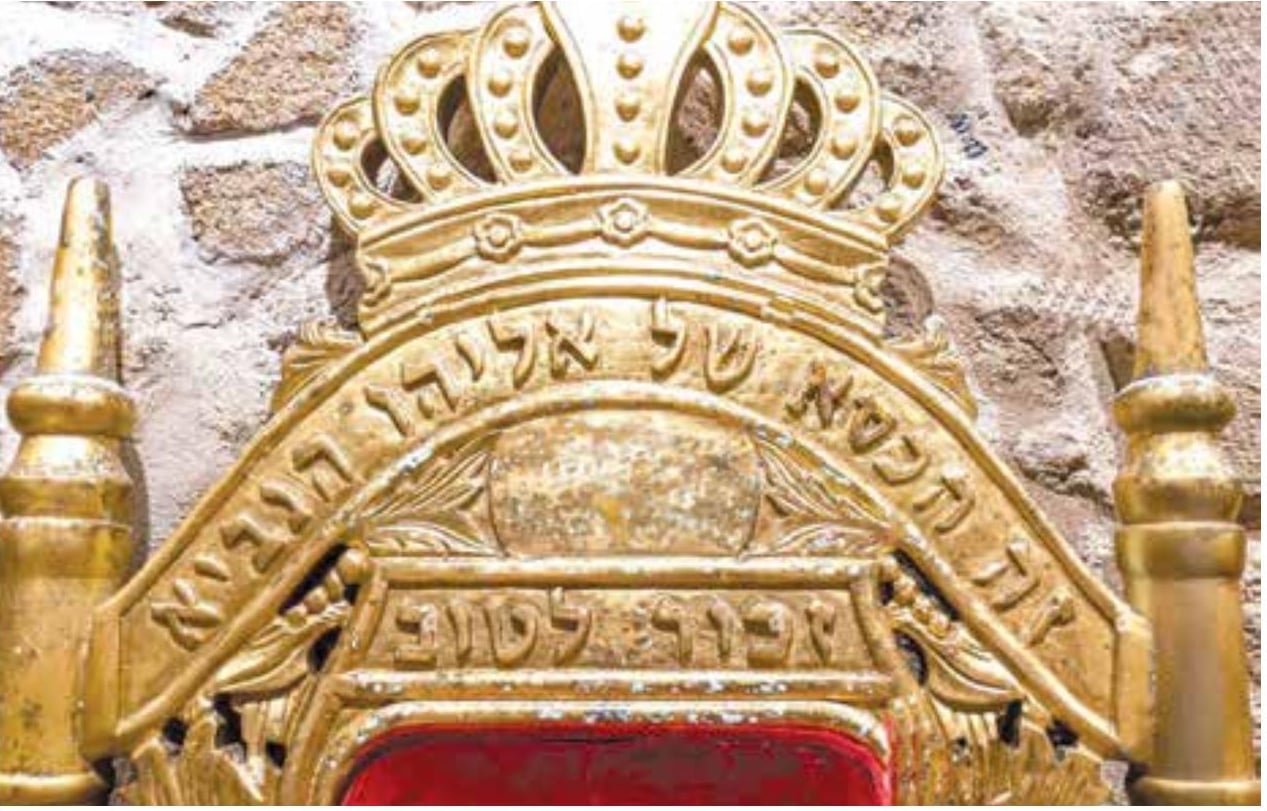
Often, the Gemara faces a halachic question that it can’t resolve. In that situation, the Gemara declares, “Tayku!” The simplest explanation of that word is that the question should stand. The Tosfos Yom Tov offers a variant explanation which has become very popular. He suggests that Tayku is an acronym for Tishbi Yetaretz Kushyos V’Abayos – Eliyahu HaTishbi will answer these unresolved questions when Moshiach comes speedily in our days.
Fascinatingly, the Gemara (Bava Metzia 114b) records an incident where Rabba Bar Avuha asked Eliyahu HaNavi a question, and Tosfos says we do not follow his answer! Tosfos then enumerates other halachic rulings of Eliyahu that we do not follow. Tosfos wonders at this. Indeed, one could suggest that “Lo baShamayim hi,” and we should not follow Eliyahu HaNavi’s rulings at all. Tosfos does not entertain this possibility. The Chasam Sofer suggests that when Eliyah HaNavi takes an angelic form such as his appearance at a bris milah, we would not follow his rulings. However, in Bava Metzia and elsewhere, where Eliyahu took a corporeal form, he is to be treated as an eminent sage, and we would follow his rulings just as we would a living Torah scholar.
Rabba Bar Avuha then asked Eliyahu HaNavi why he was standing in a non-Jewish cemetery. He reasoned that since Eliyahu is a kohen he cannot stand there. Eliyahu HaNavi responded that gentile graves do not transmit tumah via ohel. Again, Tosfos says that we rule against Eliyahu HaNavi! Gentile graves should be treated the same as Jewish ones. (The Rema suggests that kohanim be strict and follow Tosfos’s opinion. (See “A Grave Matter” by this author for a fascinating story connected to this halacha.) Again, Tosfos is bothered by why Eliyahu’s specific ruling is not followed. Tosfos suggest that Eliyahu HaNavi did not mean to actually rule on this issue; he was simply trying to initiate a conversation with Rabba Bar Avuha to ascertain why Rabba Bar Avuha was not proficient in the laws of Taharos. (That’s one possible explanation of Tosfos.)
Tosfos cites yet another example where we do not follow Eliyahu HaNavi’s explicit ruling. Tosfos says this ruling should not be followed. Indeed, the Pischei Teshuva quotes this very Tosfos to rule that a kohen cannot become tamei meis even to a tzaddik. Again, Tosfos wonders why we do not follow Eliyahu HaNavi’s clear ruling. Tosfos explains the real reason Eliyahu HaNavi was burying Rebbe Akiva was that no one else wanted to. It was dangerous to bury a man executed by the government. Therefore, Rebbe Akiva was a meis mitzvah, and even a kohen is allowed to bury a meis mitzvah. Eliyahu HaNavi felt that this answer would have slighted Rebbe Akiva to suggest that no one wanted to bury him. Instead, he suggested that Rebbe Akiva was so righteous that he was above the laws of tumah. Eliyahu did not expect his ruling to be followed.
Then,
Why didn’t Eliyahu HaNavi want to admit that he was not a kohen? Tosfos suggests an answer. The time for Moshiach should come soon, and we will be able to ask Eliyahu himself.
Stories in this article (3)
Stories in this article
More about Eliyahu HaNavi
All storiesRabbi Chiya and His Sons Almost Bring Moshiach
Rav Kahana Leaps From the Roof
The Angels Who Brought Down Haman
Rabbi Akiva, Rachel and the Straw
More stories in Bava Metzia
All in this masechtaRabbah and Rabbi Zeira at the Purim Seudah
Rav Huna Sends Rabbah to Learn from Rav Chisda
Rav Henoch Leibowitz Explains Da'as Torah
Rav Heschel and the Visit From Rabbi Yochanan
Questions on this article
Rabbi Avrohom Sebrow
Rebbe at Yeshiva Ateres Shimon in Far Rockaway. He leads the Daf Yomi chaburah at Eitz Chayim of Dogwood Park in West Hempstead, and writes “Delving into the Daf” each week for The Jewish Home.
About and contact