Obviously, Rosh Hashana Falls Out on Rosh Chodesh
A travel company is currently running a marketing campaign with “Captain Obvious” as their spokesman. He utters such phrases as “My enemy’s enemy is my enemy’s enemy.” A researcher was trying to uncover the origins of this moniker. The earliest known mention of “Captain Obvious” in print was in a children’s book published in the early ‘90s.
Mosey Kaplan likes to play the part of Captain Obvious. After a congregation has recited Kiddush Levanah, he’ll approach someone and ask, “May Kiddush Levana be recited while sitting?” Some people pause and say, “Hmm. I don’t think so.” This is actually humorous because the very text of Kiddush Levana contains the Aramaic words which translate to “Therefore, it must be recited while standing.” Another question one can try, “Is the Shir Shel Yom that is recited every day, the very same one that the Leviim used to utter in the Beis Hamikdash?” Of course, immediately preceding the recitation of the Shir Shel Yom, we say in Hebrew, “This is what the Leviim would say in the Beis Hamikdash.”
Some educators try the following questions on their students: “If Tisha B’Av falls out on Rosh Chodesh, do you have to fast?” “If Asarah B’Teves falls out on Rosh Chodesh, do you recite Tachanun?” “If Pesach falls out on Rosh Chodesh, do you wear a kittel at the Seder?”
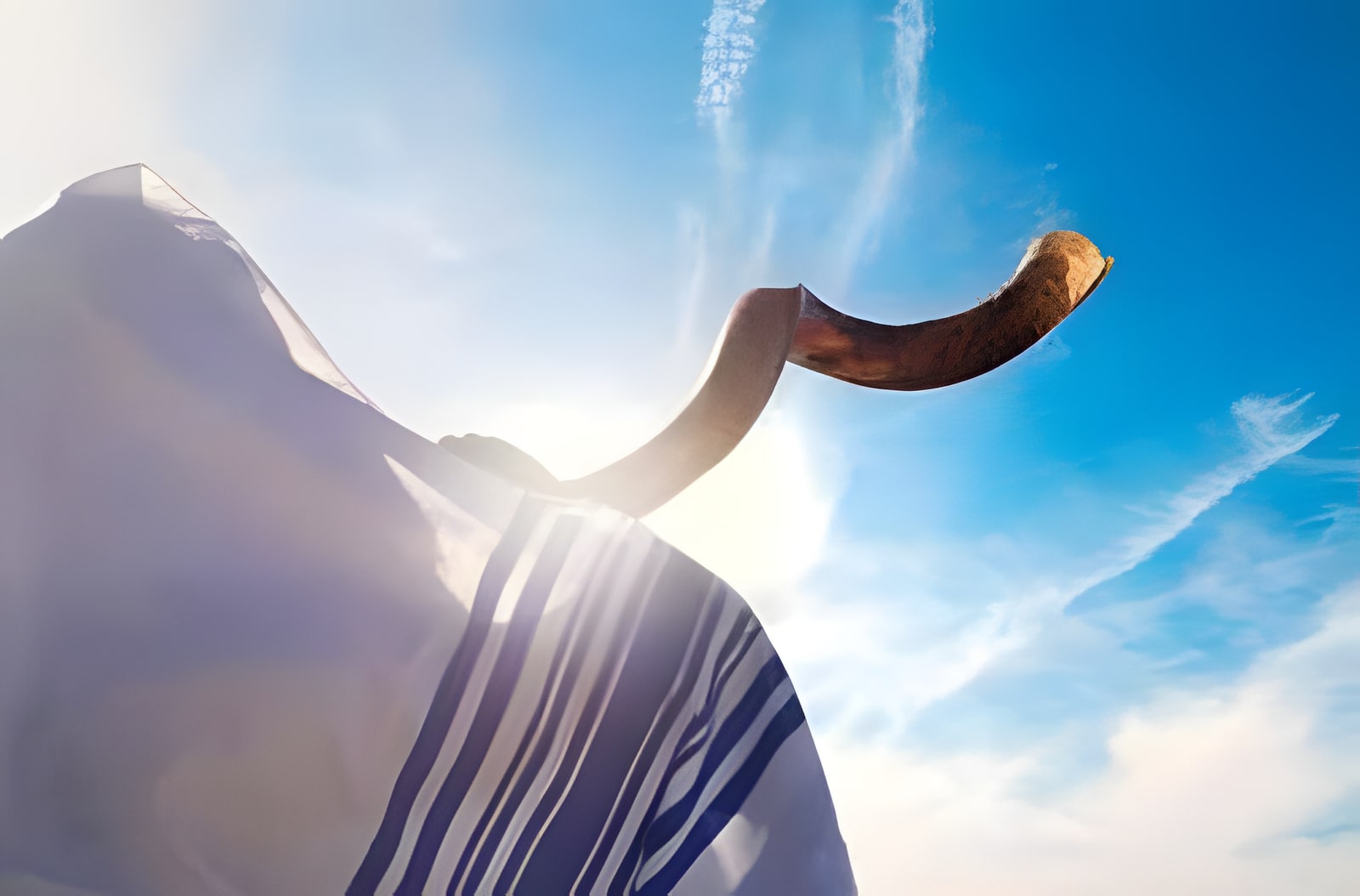
No biblical holidays fall out on Rosh Chodesh except for Rosh Hashana. The Gemara (Rosh HaShana 8a) uses this fact to determine that the Day of Judgment is Rosh Hashana. It says in Tehillim, “Blow a shofar at the New Moon, at the covered time for our Festival day. For this is a statute for Israel, a judgment of the G-d of Jacob” (81:4-5).” Rashi understands that the Gemara is saying that the Day of Judgment is on the Festival Day when the moon is covered. On what biblical holiday is the moon not visible to the entire world? Rosh Hashana. Rosh Hashana is simultaneously Rosh Chodesh. The moon has just begun its new cycle and is not universally visible.
Rabbeinu Meshulam suggested that the Gemara intends to say that the Day of Judgment is when Rosh Chodesh itself is covered up. How so? Tosfos explains that the Korban Mussaf for Rosh Chodesh is not offered on Rosh Hashana. Rabbeinu Tam vigorously opposed that explanation and proved that there is no doubt that the Korban Mussaf for Rosh Chodesh was indeed offered on Rosh Hashana. Rabbeinu Meshulam responded that he was misunderstood. He meant to say that the pesukim that describe the Korban Mussaf of Rosh Chodesh are not said during the recitation of Mussaf of Rosh Hashana. Typically, we recite the verses that describe the Korban Mussaf that is offered on that day, in the middle of Tefilas Mussaf. However, Rosh Hashana is somewhat of an exception, as we recite the verses that pertain to the Korban Mussaf of Rosh Hashana but not the verses that pertain to the Korban Mussaf of Rosh Chodesh. Instead, we make a quick passing reference to the Rosh Chodesh Korban during Mussaf on Rosh Hashana. This is, in fact, the accepted halacha.
Why do we skip the recitation of the verses relating to the Korban of Rosh Chodesh? Tosfos references an obscure incident.
Rabban Shimon Ben Gamliel had a son who had a nice voice and was chosen to be the chazzan on Rosh Hashana. He was reciting Mussaf out loud and was about to recite the verses relating to the Mussaf of Rosh Chodesh when he stopped. He later explained his rationale: The Korban Mussaf of Rosh Chodesh is brought to atone for Hashem, and it is inappropriate that it should be brought to atone for us. This is in line with the Gemara in Chullin (60b) that states that the Korban Mussaf is an atonement for Hashem for making the moon smaller. When the moon complained that there shouldn’t be two simultaneous kings, the sun and the moon, Hashem directed that the moon become smaller. The moon had complaints against Hashem, and Hashem commanded that the Korban Mussaf of Rosh Chodesh be brought to atone for Him.
Rebbe YeShaya Pik (author of the Mesoras HaShas) opined that this Gemara in Chullin cannot be understood literally. Rather, knowledge of Kabbala is required. Nevertheless, Rebbeinu Meshulum explained that the Gemara in Rosh Hashana means that the Day of Judgement is when Rosh Chodesh is covered up by not reciting its verses.
The Shearim Metzuyanim B’Halacha points out that the story referenced by Tosfos is perhaps the earliest source that a chazaan should have a pleasant voice. Chazal make a note of the fact that Rabban Shimon Ben Gamliel’s son was chosen as chazzan due to his pleasant voice. The Pasuk in Mishlei (3:9) states, “Honor Hashem with your wealth.” Whereupon, Rashi comments that “your wealth” refers to any talent, even a pleasant voice. Rabban Shimon Ben Gamliel’s son fulfilled this dictum.
It is interesting to note, that due to the fact that Rosh Hashana falls out on Rosh Chodesh, Rabbeinu Yonah suggests that perhaps they share a similar halacha. If someone forgets Yaaleh V’Yavo on Rosh Chodesh during his recitation of Shemoneh Esrei, he must repeat the entire Shemoneh Esrei if he already took three steps back. This does not apply to the night of Rosh Chodesh. One should say Yaaleh V’Yavo at Maariv but does not have to repeat Shemoneh Esrei if he forgot it. This is due to the fact that beis din can only convene during the day to declare Rosh Chodesh. In the days when Rosh Chodesh was declared by beis din, the night preceding Rosh Chodesh was not yet considered Rosh Chodesh. Similarly, Rabbeinu Yonah suggested that if someone prays the weekday Shemoneh Esrei on the night of Rosh Hashana, he should not have to repeat it. The same argument can be made. In the days when Rosh Hashana was declared by beis din, that determination was only made during the day. Rosh Hashana night was not yet Rosh Hashana.
Perhaps this argument can be taken one step further. What if someone accidentally said HaKeil HaKadosh instead of HaMelech HaKadosh on the night of Rosh Hashana? Typically, reciting HaKeil Hakadosh during the Ten Days of Repentance would mandate that Shemoneh Esrai should be repeated. However, here one could argue that since in the times of old, Rosh Hashana night was not yet considered Rosh Hashana, the error to Shemoneh Esrei shouldn’t be substantial.
However, the Chofetz Chaim categorically rejects the comparison. (Shaar HaTziyon 582:4). On Rosh Chodesh night if someone forgot Yaaleh V’Yavo, he treated the prayer as a non-Rosh Chodesh prayer. Likewise, if someone recited the weekday prayer instead of the holiday one on Rosh Hashana night, he treated the prayer as a not-yet-Rosh Hashana one. However, if someone recited the Rosh Hashana prayers but said HaKeil HaKadosh instead of HaMelech HaKadosh, he definitely didn’t fulfill his obligation. If he treated the night as a weeknight, he should have recited the weekday prayer. If he considered the night to be Rosh Hashana, he should have recited HaMelech HaKadosh. Instead, he recited a mixed-up formula which doesn’t fit into any criteria.
Although, the Chofetz Chaim’s argument sounds pretty convincing, like Captain Obvious, Rav Moshe Feinstein defended those Acharonim who advocated the opposing view. See Igros Moshe OC 1:170.
Stories in this article (1)
Stories in this article
More about Rabban Shimon ben Gamliel
All storiesThe Tzemach Tzedek and the Price of Shabbos Fish
Esav Serves His Father in Royal Garments
Rabban Shimon ben Gamliel Lowers the Price of Birds
More stories in Rosh Hashanah
All in this masechtaThe Chofetz Chaim Delays Shalom Aleichem for Guests
The Pious Man Who Slept in the Cemetery
Levi and the Mysterious Word 'Kava'
Bilam's Talking Donkey
Questions on this article
Rabbi Avrohom Sebrow
Rebbe at Yeshiva Ateres Shimon in Far Rockaway. He leads the Daf Yomi chaburah at Eitz Chayim of Dogwood Park in West Hempstead, and writes “Delving into the Daf” each week for The Jewish Home.
About and contact