The Halacha Up in the Air
The Air Up water bottle is a reusable drinking bottle designed to make plain water taste flavored through scent-based technology. It uses special “aroma pods” that sit on the mouthpiece and release natural scents as you…
Emunah and Hashkafah
Idolatry and its prohibitions, from images and statues to bowing.
The Air Up water bottle is a reusable drinking bottle designed to make plain water taste flavored through scent-based technology. It uses special “aroma pods” that sit on the mouthpiece and release natural scents as you…
I was visiting a New Jersey suburb one summer and noticed that all the lawns were brown — save one. The house where I was staying had a luscious green garden in front.
The Gemara in Avodah Zarah discusses the fact that Rabban Gamliel owned pictures of the moon. These images facilitated the questioning of witnesses who came to testify about the new moon.
As Houthi rebels continue targeting commercial vessels in the Red Sea and surrounding waters, some ships have resorted to an unusual tactic: claiming to be Muslim to avoid being attacked.
At the end of elementary school, one young student resolutely decided to stop celebrating birthdays, feeling it was a frivolous custom reserved for little kids, like tagging along with the family to the zoo on Chol…
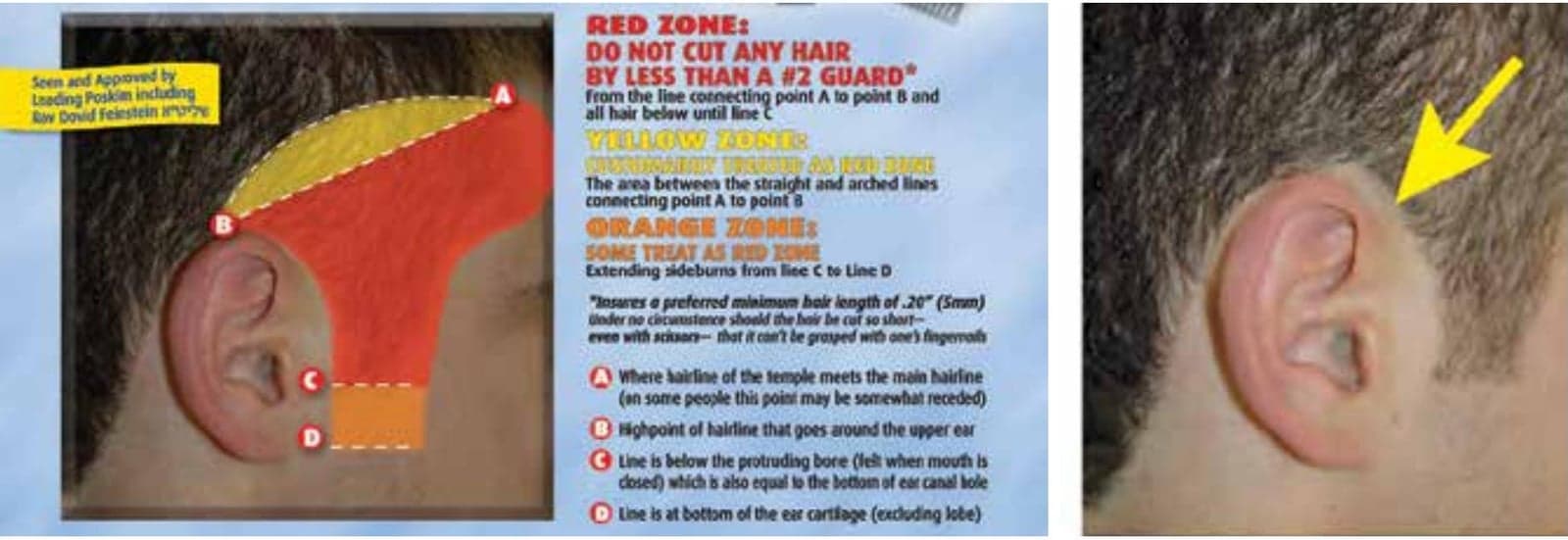
The Rambam uncharacteristically adds a reason to the prohibition against cutting peyos. He says it is because the idol worshippers used to cut off their peyos.
It is customary to slice the challah on Shabbos before reciting Ha’motzi. The source of this halacha comes from a wicked king. Discussing the origins of this halacha never grows stale.
In the bustling city of Shushan, two young boys, Eli and Daniel, raced through the crowded marketplace. “I heard Father say that Haman rides through the streets today,” Eli panted, his dark curls bouncing as he ran.
Chur occupies a significant role in the Chumash. During the war with Amalek, he, along with his uncle Aharon HaKohen, helped hold up Moshe Rabbeinu’s hands, which inspired the B’nei Yisrael to pray.
All those teachers who complain that their students frequently doodle may find some solace in the Gemara (Gittin 36a). The Gemara says that Rav would frequently draw a picture of a fish.
If you found an object from the 1300s it would be pretty interesting. Still, in Israel, a land full of archeological marvels, 700 years is not a long time.
There is a well-known and widely used technique to free oneself from violating the prohibition of owning chametz on Pesach — selling one’s chametz to a gentile. Famously, the Vilna Gaon was against this practice.
The Gemara in Avodah Zarah discusses the fact that Rabban Gamliel owned pictures of the moon. The images facilitated the questioning of witnesses who came to testify about the new moon.
Note: This article discusses serious halachic and philosophical issues. It is not my intent to provide guidance to anyone in a particular situation but rather to engender discussion.
The Gemara relates (Yoma 66b) that a wise woman asked Rebbe Eliezer: Since all the people that worshipped the Golden Calf committed a serious sin, why do we find that they received different punishments?
I remember one chol ha’moed Pesach going with a rosh yeshiva and his family to a Mets game. The rosh yeshiva had a son in my class and he invited me to come along.
Seeing Chur lying dead, Aharon reasons that if the people kill him too they will never be forgiven, so he lets them make the Golden Calf instead.
A wise woman asks Rabbi Eliezer why the Golden Calf worshippers got different punishments. His cryptic answer about the spindle teaches that the process matters.